
Tag Process Behavior Charts

Process Behavior Charts, Variation, and Better Leadership Decisions

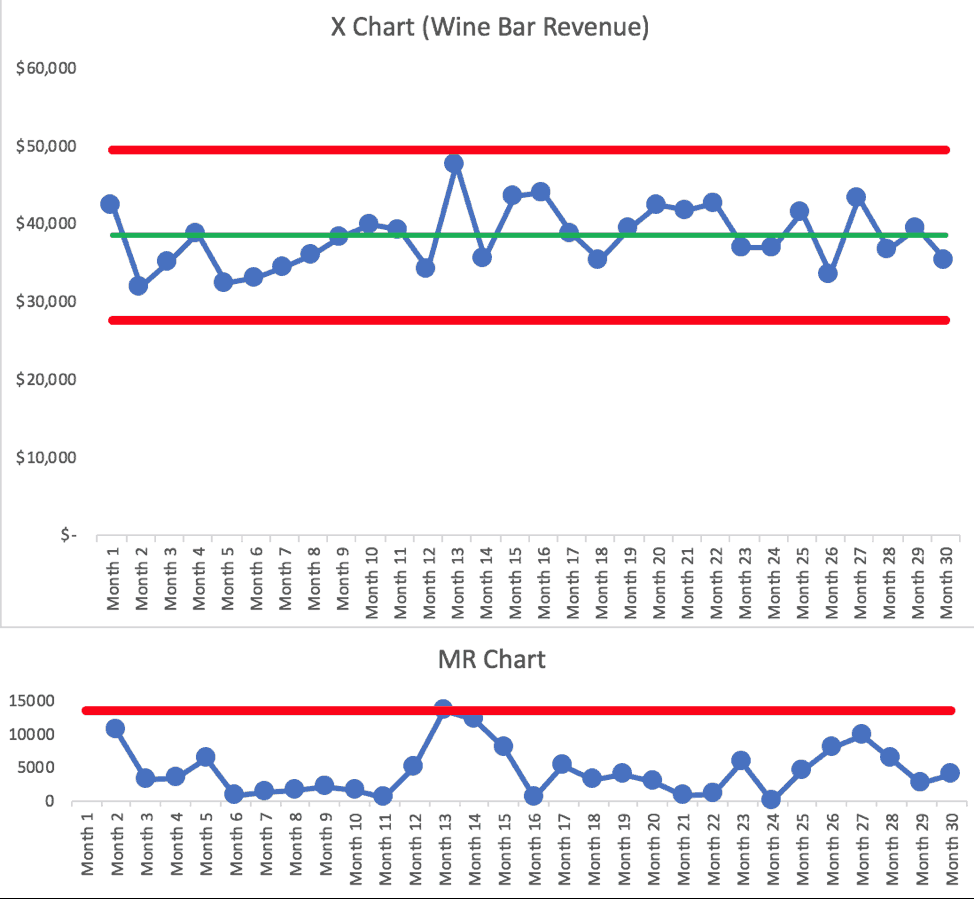
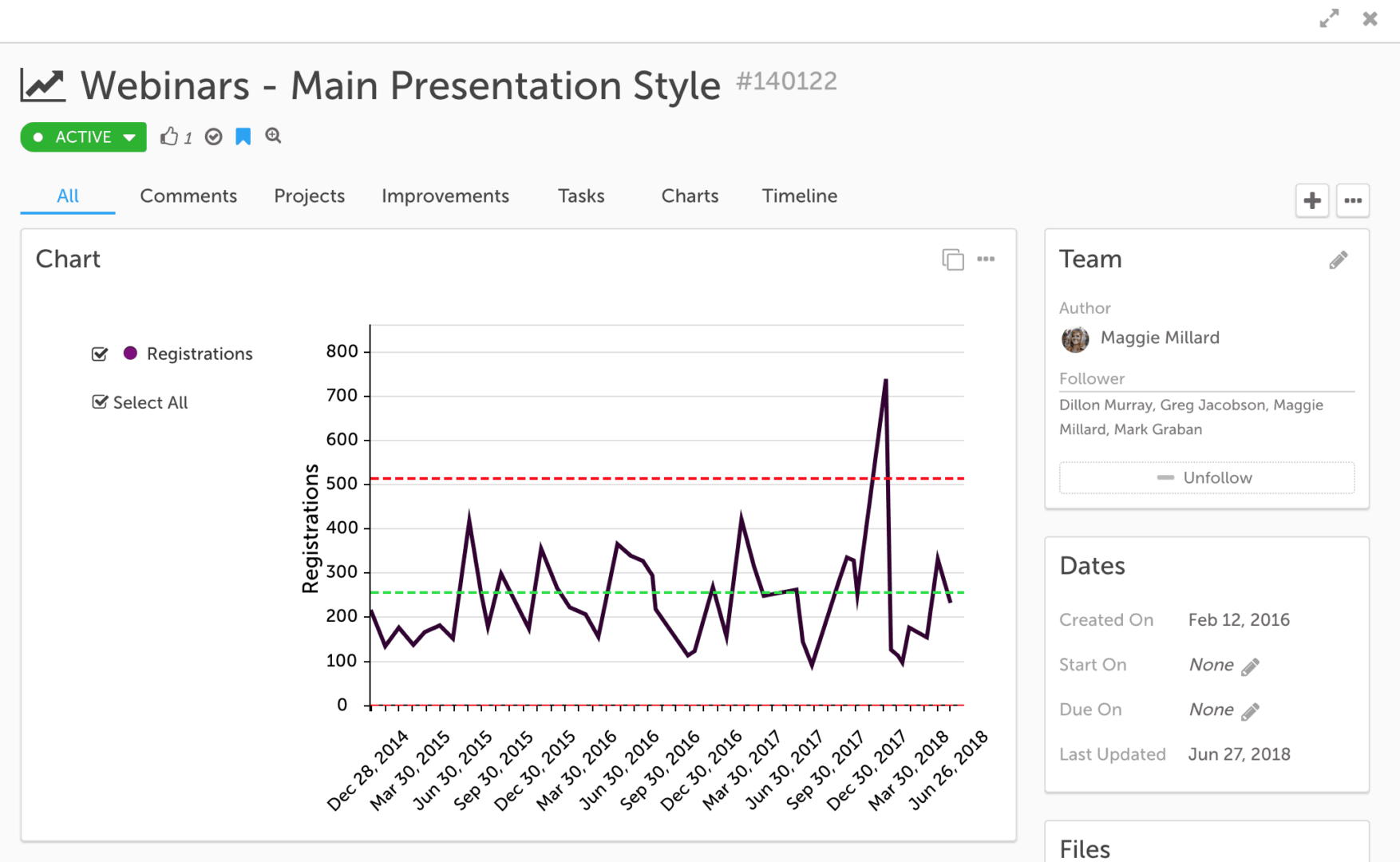
Process Behavior Charts help leaders distinguish real signals from routine noise in performance data. Instead of reacting to every up or down, these charts—rooted in the work of Shewhart and Deming—show when a system has truly changed and when variation is simply part of normal performance.

These posts explore Process Behavior Charts in practical, leadership-focused ways: avoiding overreaction to red metrics, improving decision-making, building trust in data, and shifting conversations from blame to system improvement. Examples span healthcare, manufacturing, sports, and executive dashboards—where misunderstanding variation often leads to wasted effort and worse outcomes.

Many of the ideas in this archive align with the themes of my book Measures of Success: reacting less to routine variation, leading better through better questions, and improving more by focusing on system change instead of noise.

Videos by Skip Steward That Explain Routine Variation and Rules for Finding “Signals”

You might remember the podcasts that I did with my friend Skip Steward, the Chief Improvement Officer at Baptist Memorial Health Care in Tennessee (links below).

Skip recently created some excellent videos that explain the basics of "Process Behavior Charts," a method that I explore in my book Measures of Success: React Less, Lead Better, Improve More.

See those videos below the podcast links.

Daily Management Board Examples: Beyond Red and Green Metrics

The other day, I saw a post on Twitter that included a few photos related to what's often called Lean Daily Management practices in a hospital.

The spirit of my post is not meant to come across as "they're doing it wrong" but more in the spirit of "they're doing a lot of great things, but it would be better if..."

If Lean Daily Management is supposed to be, at its core, about identifying opportunities for improvement, I'd hope they wouldn't be offended by my recommendations, but I also don't want to link to the Twitter post or call them out by name. I will pass along private feedback through a channel I have. But, I'm writing a post because what I see here is VERY common in different organizations (not just healthcare).

Look Out! That ‘Out of Control’ Chart Might Not Be What You Think

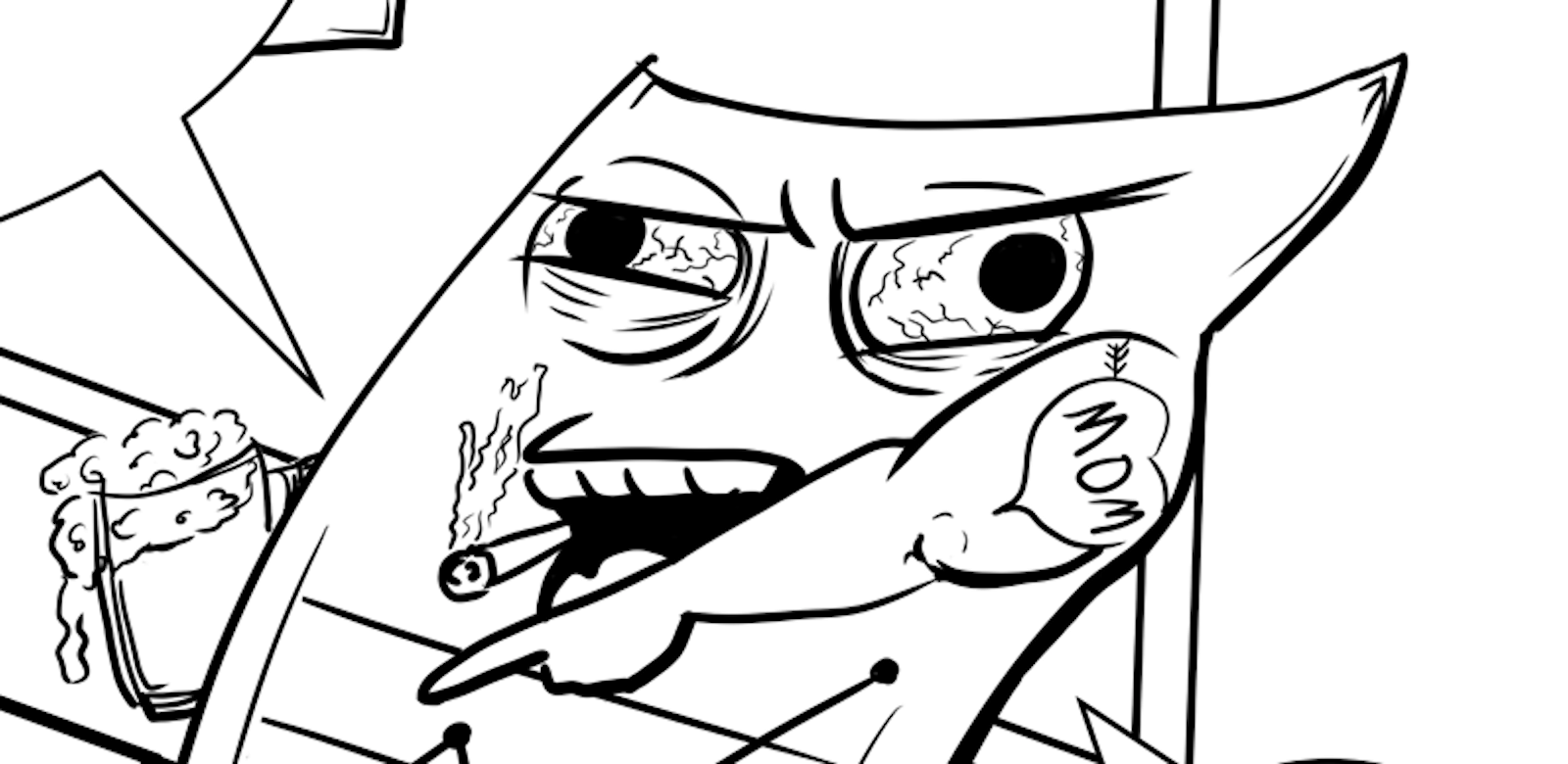
Here's the latest cartoon collaboration with a skilled artist and medical assistant, Carrie Schurman (see past cartoons). You can find her on Twitter as @carrieschurman.

The idea for this cartoon came from Maggie Millard, the director of marketing at KaiNexus. Maggie has learned about Process Behavior Charts from me and some of the stories are incorporated into my book Measures of Success. 

What does this "out of control chart" look like and why did it make me chuckle?

How Process Behavior Charts Explain Baseball Home Run Outliers

Swinging a baseball bat at dusk against a stadium background with a Lean Blog logo.

If you're not a baseball fan, I apologize for a second baseball-themed post this week. Baseball has a lot of historical time-series data to work with and analyze. If you're not interested in "Process Behavior Charts" or similar methods, I guess I will apologize for this post again too. Next, I'll be apologizing for apologizing.

But, I am at Dr. Wheeler's four-day workshop on "Understanding Statistical Process Control" as I blogged about on Monday.

It's great to learn from Dr. Wheeler in person and I'll be sharing reflections on the class in a later post (and I'm posting a few things on LinkedIn along the way).

In Chapter 1 of Understanding Variation, Dr. Wheeler points out how charts or graphs are far superior to tables or lists of numbers. He uses a baseball example: