The Silence Tax Kindle Pre-order Is Open
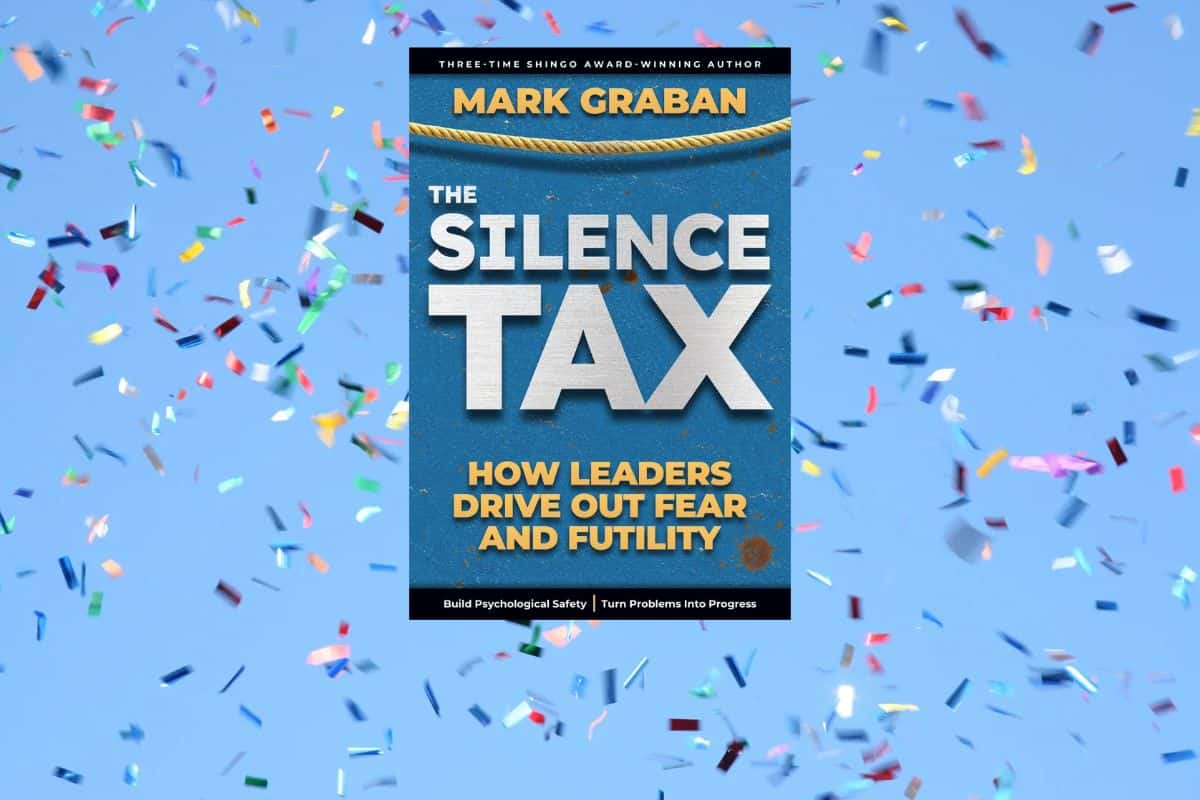
My new book, The Silence Tax: How Leaders Drive Out Fear and Futility, comes out on February 9, 2027. The Kindle pre-order is open now on Amazon. If you’ve read this blog at any point in the last 20 years,…


My new book, The Silence Tax: How Leaders Drive Out Fear and Futility, comes out on February 9, 2027. The Kindle pre-order is open now on Amazon. If you’ve read this blog at any point in the last 20 years,…

In July 2013, on a test drive in the United States, Martin Winterkorn, the CEO of Volkswagen, noticed a paint imperfection on a Beetle. The paint was slightly thicker than the company standard. Less than a millimeter too thick, according…

Mike Stoecklein recalls a story secondhand. It was, he thinks, at one of the last four-day seminars W. Edwards Deming ever gave. Deming was frail by then. Someone later told Mike that when the seminar got to the Red Bead…

Fear Drives Compliance — Respect Builds Pride, Learning, and Improvement TL;DR: Don Ephlin once wrote, “You can’t punish your way to pride.” That insight still resonates today. Fear might create short-term compliance, but respect creates long-term learning. Here’s what Ephlin,…

tl;dr: Halloween might be about ghosts, zombies, and monsters — but those same creatures sometimes show up in our organizations all year long. They lurk in old processes, mindless routines, and fear-based management habits. Here’s how to spot the spooky…

Fear and futility are two of the biggest barriers to continuous improvement. When people are afraid to speak up–or believe nothing will change–problems stay hidden. Lean leaders can remove fear and futility by creating psychological safety, responding with curiosity, and…

TL;DR: Red metrics aren’t “good,” but they shouldn’t trigger blame or panic either. The real problem isn’t red–it’s leaders getting mad instead of curious. Improvement starts with better questions, not better colors. In recent years, I’ve noticed a growing trend–one…

TL;DR: Lean only works when people feel safe to speak up. Toyota shows that psychological safety isn’t a “soft” concept–it’s created through consistent leadership behaviors that treat problems and mistakes as signals for learning, not reasons for blame. When I…

As we celebrate Halloween–a season for all things spooky–it’s a good time to reflect on a different kind of fear that can haunt our workplaces year-round. Yet, in many organizations, fear holds people back from speaking up about problems, sharing…

Research by Ethan Burris shows that the top two reasons employees choose to keep quiet in the workplace are: 1️⃣ Futility2️⃣ Fear Fear of getting in trouble is a big problem. But there are also many workplaces where people say,…

What does Amy Edmondson mean by psychological safety? People can raise a concern, ask for help, disagree, or admit a mistake without expecting humiliation or punishment for speaking up. That matters when a team needs to discover problems and learn…

tl;dr: When doctors and nurses are afraid to speak up about safety risks, problems stay hidden and patients are harmed. Real cases from the UK show how fear, retaliation, and leadership behavior undermine patient safety, while true improvement requires psychological…