
Lean Blog Audio Podcast

Short Audio Essays on Lean Thinking, Leadership, and Continuous Improvement

Lean Blog Audio features short audio versions of articles from LeanBlog.org, written, read, and expanded by Mark Graban. Each episode explores practical applications of Lean thinking, psychological safety, continuous improvement, and performance measurement tools like Process Behavior Charts.

Drawing on real-world examples from healthcare, manufacturing, startups, and other complex systems, the podcast focuses on leadership behaviors that foster learning, reduce fear and blame, and support sustainable improvement. Lean Blog Audio is ideal for leaders, practitioners, and learners who want thoughtful insights they can apply every day.

Streaming Player:

Ways to Subscribe or Follow

Five NUMMI Tour Lessons That Still Define Lean Thinking

A 2005 tour of the NUMMI plant revealed lessons about Lean that had little to do with tools and everything to do with leadership, learning, and…

5 Big Lean Questions with Mark Graban: Purpose, Misconceptions, and the Path Forward

Last year, my friend (and long-time fellow blogger) Tim McMahon from the A Lean Journey blog sent me a set of questions he's asked various Lean…

Stop Forcing Change: Use These Motivational Interviewing Questions Instead

When we think about how change happens in organizations, especially those practicing Lean, we often focus on tools, plans, and communication…

You Can't Cherry-Pick Lean: Why Pull, Heijunka, and CI Don't Stick

tl;dr: Lean fails when organizations cherry-pick tools like 5S, pull, or heijunka without adopting Lean as a complete management system. Sustainable…

Unlearning Old Habits: What a Pickleball Mistake Taught Me About Feedback and Learning

What Pickleball Taught Me About Kindness, Kaizen, and Culture “Don't worry about your mistakes–you're learning.” That's what an…

AI as a Thought Partner in Kaizen: Small PDSA Tests and Real Learning

TL;DR: AI can support Kaizen when it's treated as a thought partner, not an answer engine. The right way to explore AI in continuous improvement is…

GE's Larry Culp: Why Lean Thinking Starts with Safety and Respect for People

TL;DR Larry Culp, CEO of GE Aerospace, shows that Lean leadership isn't about tools or slogans–it's about daily behaviors. By grounding Lean in…

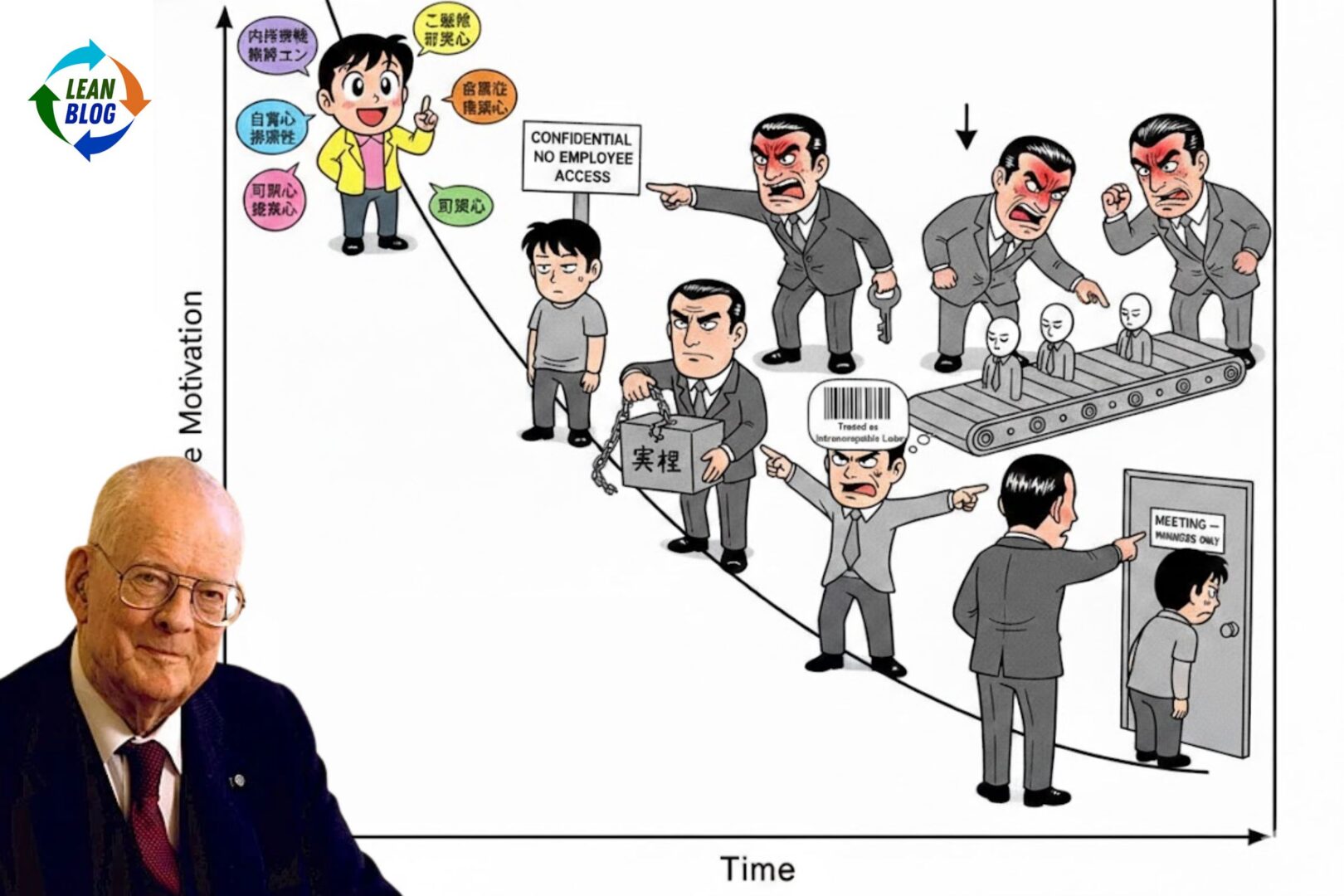
Lean Without Layoffs: The Commitment That Makes Continuous Improvement Work

When I worked with Johnson & Johnson's ValuMetrix Services consulting group (from 2005 to 2009), we had a simple but firm rule before engaging with…

Ghosts, Zombies, and Frankenstein Processes: A Lean Halloween Reflection

tl;dr: Halloween might be about ghosts, zombies, and monsters — but those same creatures sometimes show up in our organizations all year long…

Leadership, Laughter, and Lean: How a CEO's Shaved Head Symbolized $7 Million in Improvement

In Lean circles, we talk a lot about leadership commitment. But it's not every day that a CEO puts their hair on the line to show it. As we wrote…

Leader Standard Work Is About Behavior, Not Just Your Calendar

TL;DR Leader Standard Work isn't a calendar or a checklist. It's the daily responsibility of leaders to show up with the right…

Continuous Improvement at the Bedside: Lessons from Allina Health's Early Kaizen Journey

TL;DR: This look back at Allina Health shows how continuous improvement at the bedside actually works: frontline staff identifying real problems…

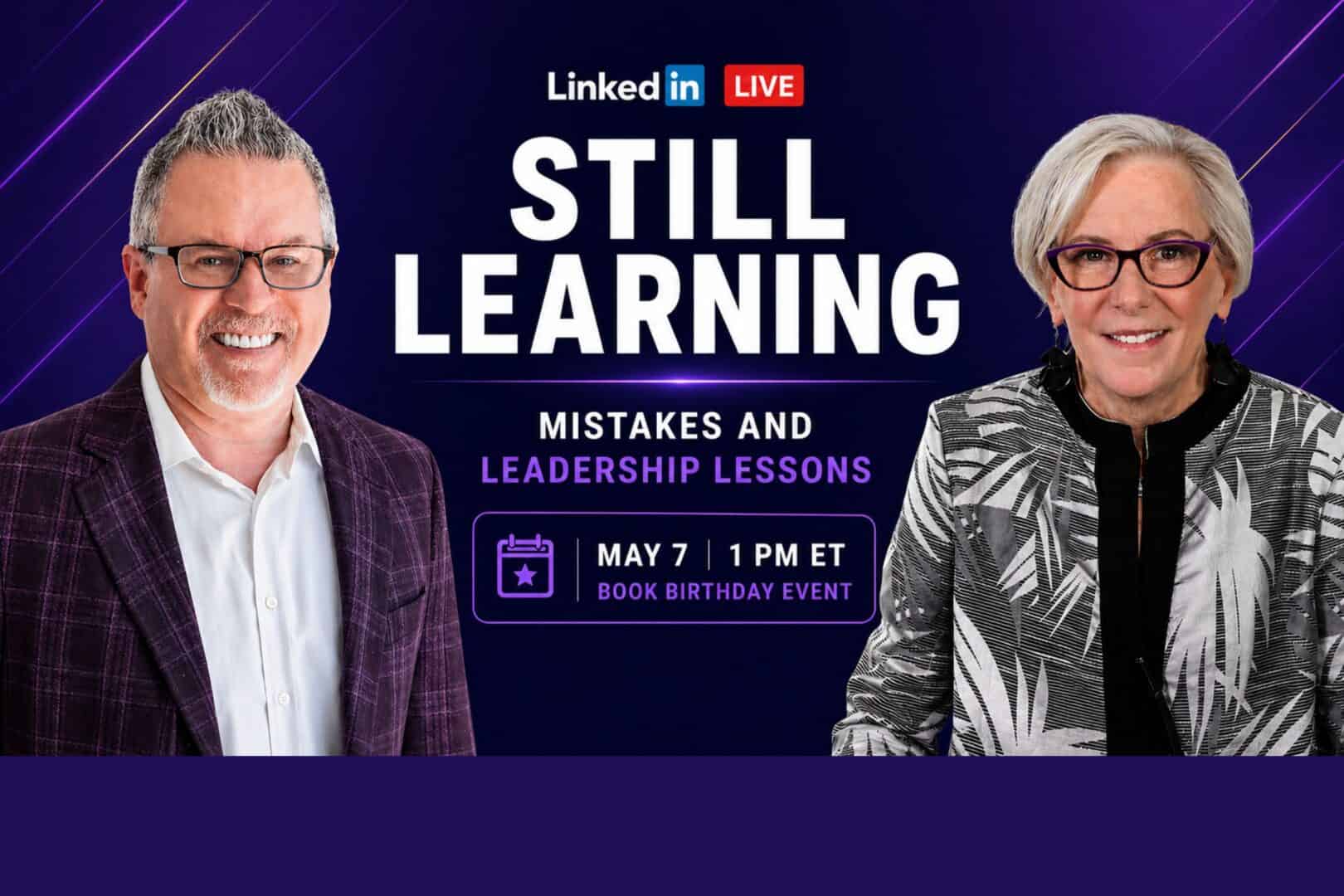
From Know-It-All to Learn-It-All: Leadership Lessons from Mistakes

Lessons from my book The Mistakes That Make Us, plus conversations with Phillip Cantrell and Damon Lembi One of the central themes in my book, The…

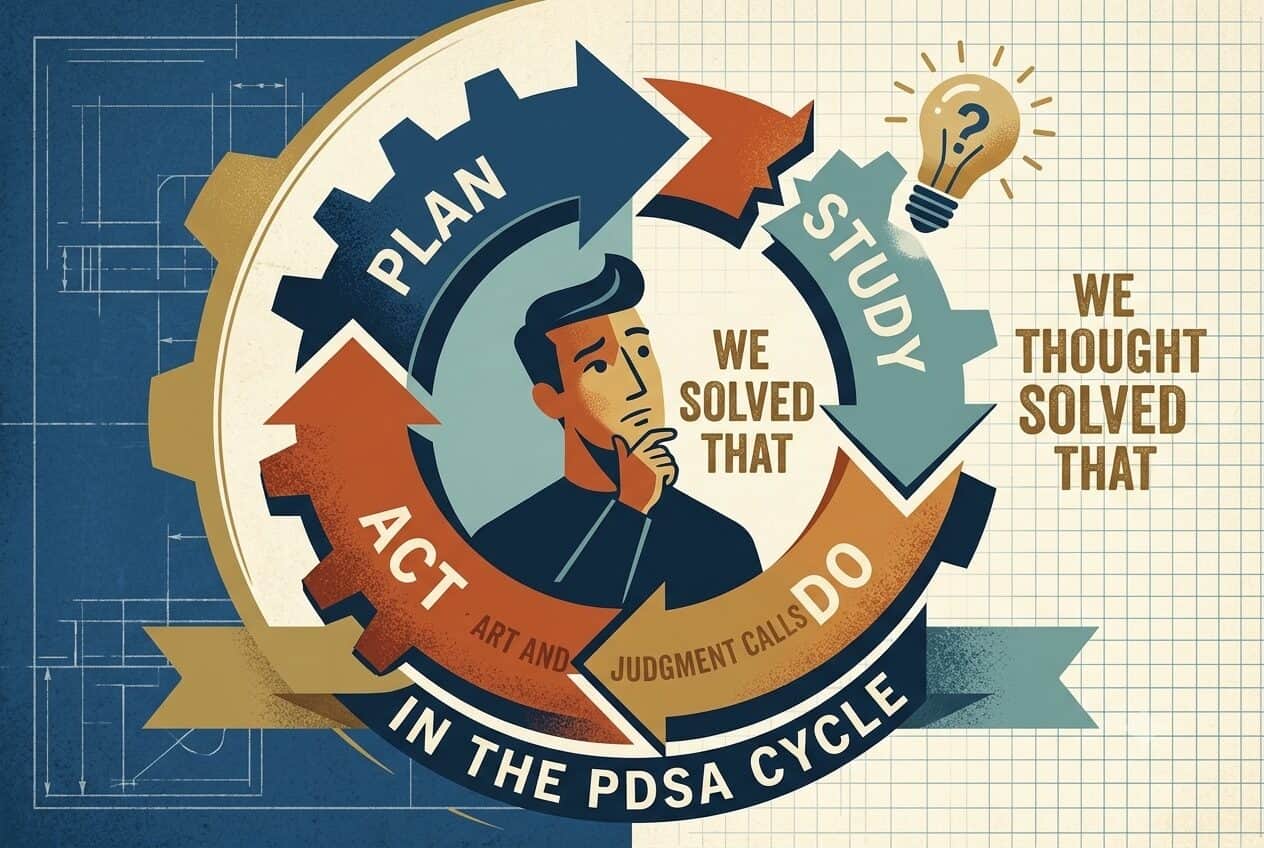
Plan, Do, Check, Act… or Plan, Do, Cover Your A**? Leadership Makes the Difference

TL;DR: PDCA is meant to be a learning cycle, but in fear-based cultures it becomes PDCYA–Plan, Do, Cover Your A**. When leaders punish mistakes…

Gaming the System: What a USPS Smiley Face Reveals About Bad Metrics

TL;DR: A USPS clerk tapping the green smiley face on a customer feedback screen is a small but telling example of gaming the system. When performance…

Fred Noe of Jim Beam: Leadership Lessons on Mistakes, Innovation, and Long-Term Thinking

TL;DR: Fred Noe of Jim Beam offers powerful leadership lessons on learning from mistakes, small-batch experimentation, and long-term thinking. His…

Why “You're Being Safe” Should Be the Norm in Every Operating Room

“I wish moments like this didn't seem so noteworthy. I wish focusing on safety and thanking people for speaking up was the norm in hospitals…

95% of Enterprise AI Pilots “Fail”–Just Like Lean? Not So Fast

Every few years–or let's be honest, quite often on social media–we see a statistic making the rounds: “70% of Lean initiatives…

Fear and Futility: Why People Don't Speak Up–and How Lean Leaders Can Remove Both

Fear and futility are two of the biggest barriers to continuous improvement. When people are afraid to speak up–or believe nothing will…

Jim Womack on the Origins of ‘Lean' and Why It's Often Misunderstood

TL;DR: Jim Womack explains how the term “Lean” was coined to describe creating more value with less waste–and how it became…

Lean Lessons from Japan: Mindsets, Culture, and the Challenge of Speaking Up

This article is based on my recent Catalysis webinar, “Lean Lessons from Japan: Mindsets, Culture, and the Challenge of Speaking Up.” The…

Your Current Estimated Alarm Response Time Is… 13 Hours? A Lesson in Small Mistakes and Kind Responses

How long would you expect it to take for the police to respond to a burglar alarm at your home? Why do I bring this up? I had applied online for a…

Avoiding the Dunning-Kruger Trap in Lean: Lessons from Early Mistakes

The most dangerous moment in Lean is often right after your first belt class–when you think you've mastered it all. You may have seen the joke…

How a Vineyard “Improvement” Nearly Destroyed European Wine — and What We Can Learn from It

A Word Worth Remembering (But Hard to Say and Spell) You might recall when I first learned about the German word…

Kaizen Alone Isn't Enough: Why Leaders Must Fix the System for Real Improvement

TL;DR: Daily Kaizen is essential–but it can't overcome broken systems. Only leaders can fix structural constraints like layout, staffing…