tl;dr:Kaiteki is a Japanese management philosophy focused on comfort, purpose, and respect for people–and it helps explain why motivated employees and Lean success go hand in hand.
During my most recent visit to Japan (as part of a tour hosted by Katie Anderson), we spent time in several remarkable organizations where the focus wasn't just on performance or process… but on people.
One company in particular introduced me to a word I hadn't encountered in this context before: kaiteki.
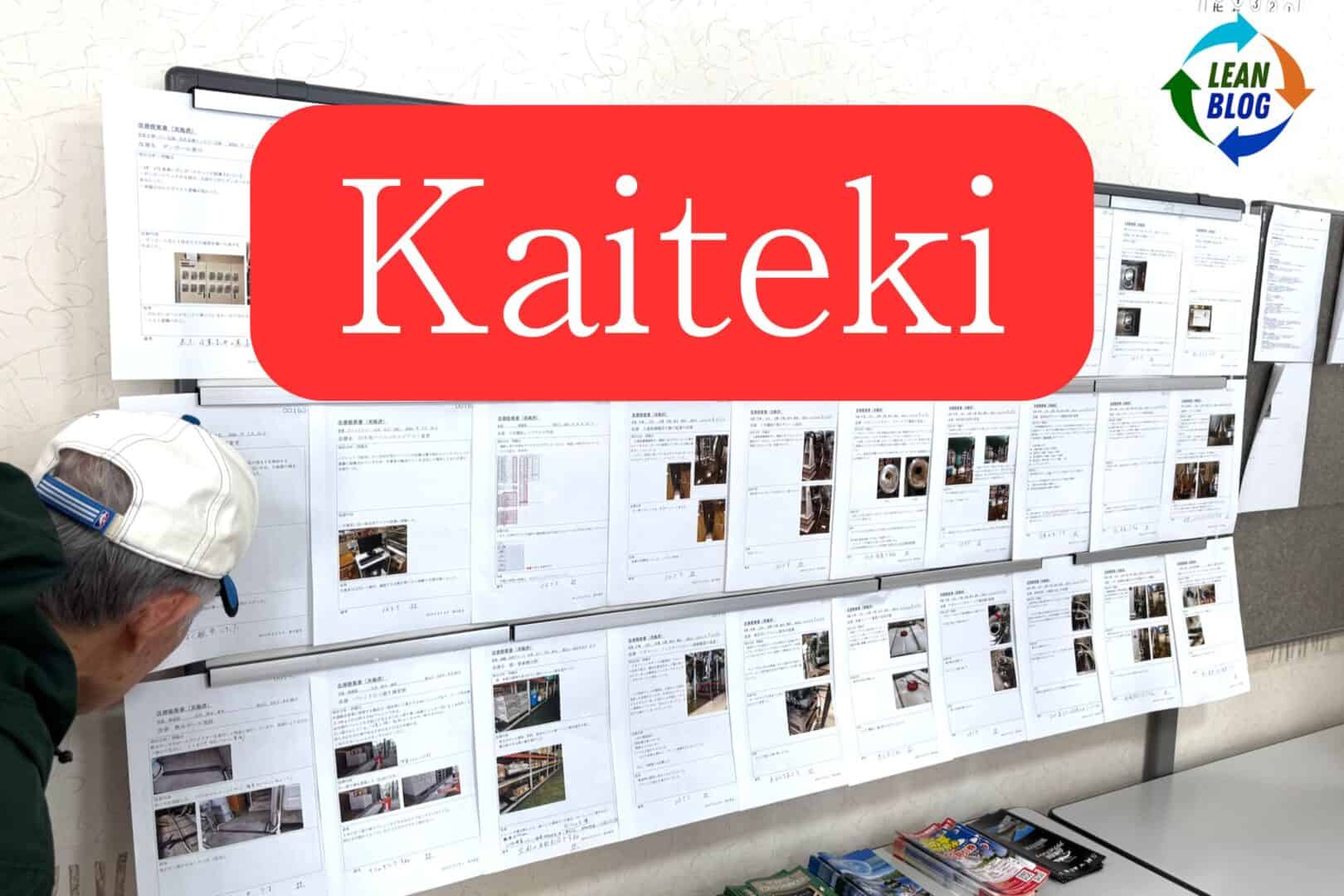
Roughly translated, kaiteki means “comfort,” “ease,” or a “pleasant working environment.” But what stood out was how deeply embedded this idea was in the company's culture–and how it shaped their entire approach to leadership and improvement.
“The Purpose of a Company Is to Make the Entire Company Happy”
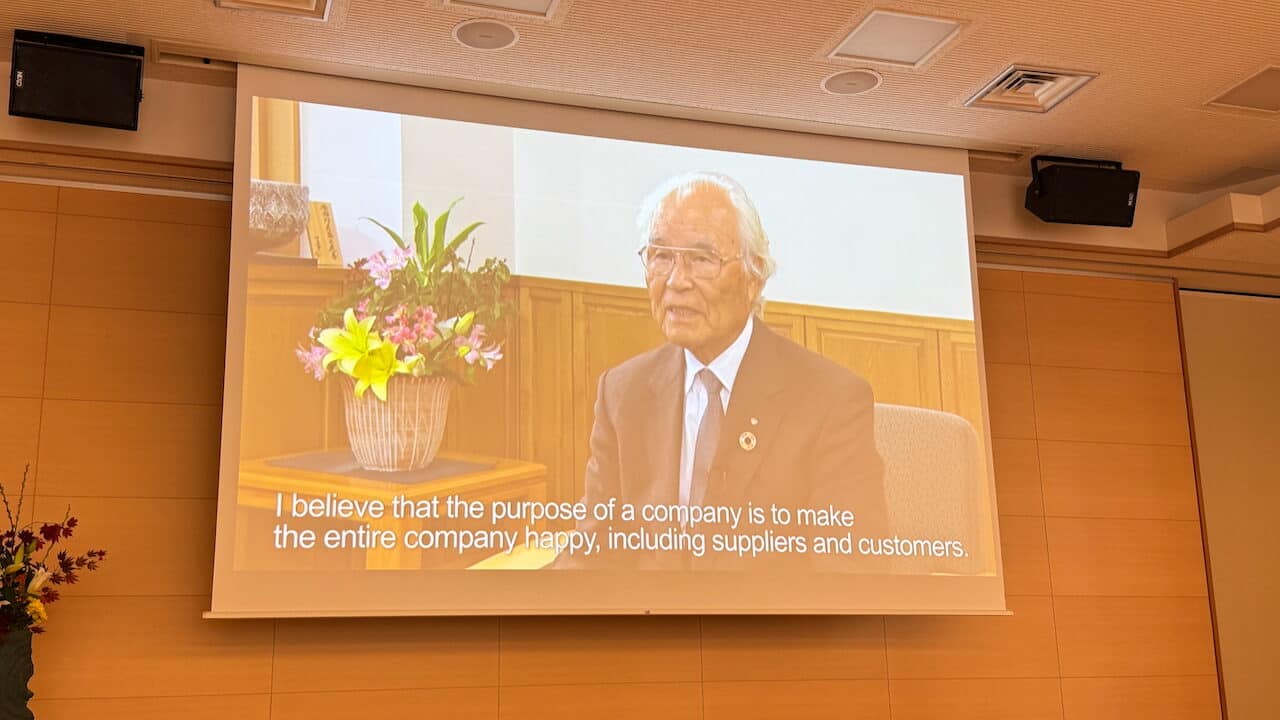
At one such company, the executive director said:
“I believe that the purpose of a company is to make the entire company happy, including suppliers and customers.”
It's a beautiful sentiment. And it's a bold leadership stance. It reframes success not in terms of quarterly earnings, but in terms of human fulfillment.
Happiness, of course, isn't just a feel-good concept. It's directly tied to performance:
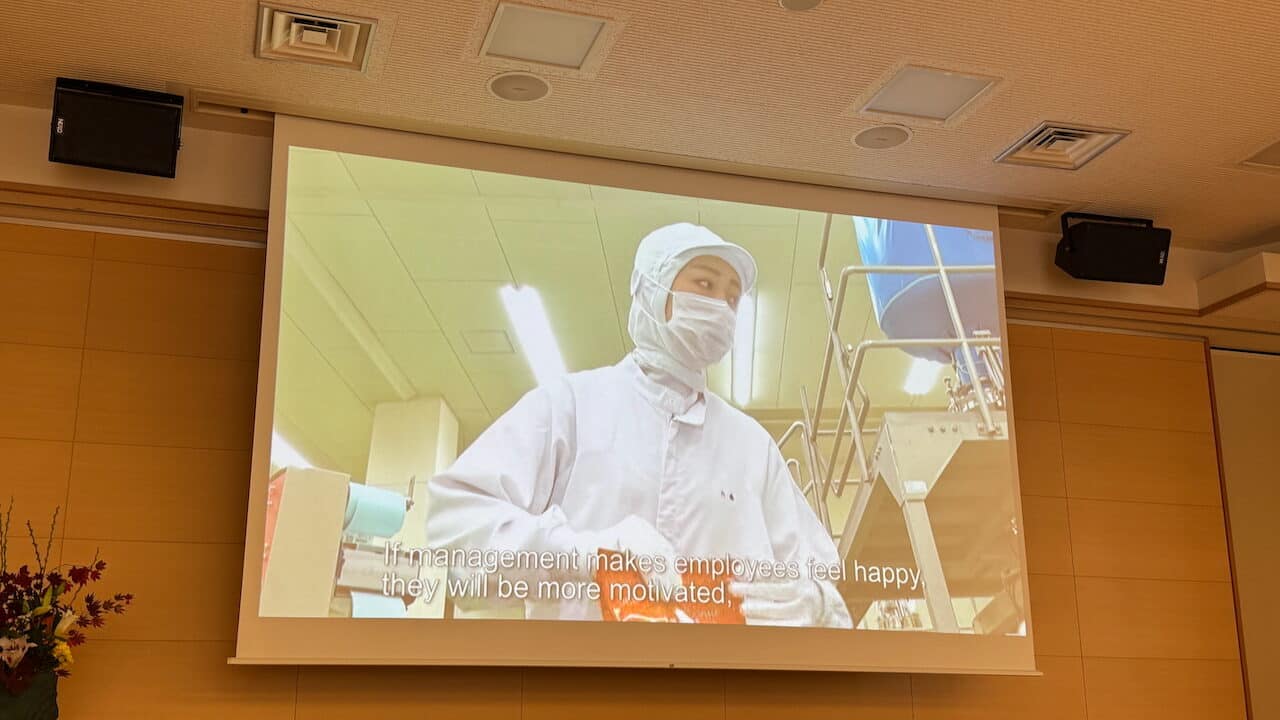
“If management makes employees feel happy, they will be more motivated… which will ultimately lead to customer satisfaction and trust.”
That alignment–between people, purpose, and performance–is something I've seen repeatedly in the best Lean organizations–whether that's manufacturing or healthcare–both in Japan and in other countries.
Don't Make Money the Purpose
Later, during our visit, the director of this company told us very directly:
“Don't make money the purpose… that can lead to scandal.”
They weren't suggesting that profit doesn't matter. Quite the opposite. The mindset was: if we focus on creating a respectful, comfortable, engaging environment–then the results will follow. He said:
“Money must be made so the company can keep existing.”
They see financial performance as a byproduct of doing the right things for their people and customers. This was reinforced by their use of hoshin kanri (strategy deployment) to align purpose, goals, and daily actions. I'll share more about that in a future post.
He also emphasized the importance of maintaining urgency, saying:
“It's always crisis time.” “Good things don't come easy–be serious about achieving the purpose.”
That tension between comfort (kaiteki) and seriousness about purpose was striking. It wasn't about being soft. It was about being centered.
Results Are the Outcome of Kaizen
One more thing stuck with me. The director cautioned against being “led by the numbers.” Metrics matter–but they don't drive the culture. He said:
“The numbers are a result.”
A result of what? Of daily improvement. Of small, steady kaizen. Of building systems and habits that honor people and encourage learning.
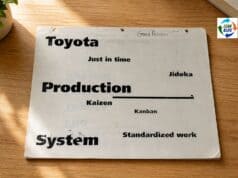
At another company we visited, a leader offered this beautiful reflection on the true spirit of the Toyota Production System:
“To cherish the small and daily challenges to grow–the accumulation of small things allows us to do great things.”
That's kaizen. And that, too, is kaiteki. It goes hand in hand!
Want to See This Mindset in Action?
We won't be visiting this particular company again on future trips, but if you join me, Dave Fitzpatrick, and Reiko Kano on a Lean Healthcare Accelerator Experience in Japan, you will see this same spirit of respect for people, daily kaizen, and long-term thinking–in both factories and hospitals.
We don't just tour. We learn deeply, reflect daily, and bring ideas home that change how leaders lead and how teams improve.
To provide the best experiences, we use technologies like cookies to store and/or access device information. Consenting to these technologies will allow us to process data such as browsing behavior or unique IDs on this site. Not consenting or withdrawing consent, may adversely affect certain features and functions.
Functional
Always active
The technical storage or access is strictly necessary for the legitimate purpose of enabling the use of a specific service explicitly requested by the subscriber or user, or for the sole purpose of carrying out the transmission of a communication over an electronic communications network.
Preferences
The technical storage or access is necessary for the legitimate purpose of storing preferences that are not requested by the subscriber or user.
Statistics
The technical storage or access that is used exclusively for statistical purposes.The technical storage or access that is used exclusively for anonymous statistical purposes. Without a subpoena, voluntary compliance on the part of your Internet Service Provider, or additional records from a third party, information stored or retrieved for this purpose alone cannot usually be used to identify you.
Marketing
The technical storage or access is required to create user profiles to send advertising, or to track the user on a website or across several websites for similar marketing purposes.