
Tag Respect for People

Respect for People: Leadership, Trust, and Sustainable Improvement

“Respect for people” isn’t about being nice—it’s about how leaders design systems, make decisions, and respond to problems. In Lean organizations, respect shows up through listening, job security, psychological safety, clear communication, and a commitment to learning rather than blame. This archive brings together blog posts, podcasts, and examples that explore respect for people as a core Lean principle—one that enables trust, engagement, continuous improvement, and better outcomes for customers and employees alike.

What Do Cars Have to Do With Healthcare?

Today, I'm giving a talk at the International Society for Blood Transfusion (ISBT) conference in Toronto. I was invited by the company Quotient to participate in a panel presentation and discussion with some laboratory professionals from the U.S. and the U.K.

The others are presenting examples of how they have improved flow, productivity, and quality in blood collection and hospital blood bank settings. Lean often gets portrayed as just being about efficiency or flow, when Toyota's definition of the Toyota Production System talks about how flow and quality go hand in hand.

I was specifically asked to give a short talk titled, "What Do Cars Have to Do With Healthcare? How to Adopt and Adapt Lessons From Manufacturing."

You Can’t Cut Your Way to Success in Healthcare, with Andre DeMerchant

Joining me for Episode #307 of the podcast is my friend Andre DeMerchant, the President of DeMerchant Healthcare Solutions Inc., based in Kitchener, Ontario. We first crossed paths when we had the chance to work together with an American healthcare client via our then-affiliation with Pascal Dennis and Lean Pathways. 

In today's episode, we talk about Andre's history working for Toyota in Canada and what he learned there -- and why it's important that he learned about "how flow works" at Toyota. We chat about the terms "Lean" and "The Toyota Production System" and what those words mean to him. How does TPS "transcend culture and language," as well as industries?

We then shift to talking about healthcare and some of the common challenges, including "financial hardships," that are faced in many countries. Why are hospitals "poorly prepared for change" in many cases? Another main theme is "cost cutting" and why you can't cut your way to success. 

Lessons from Tesla: Short-Term Thinking and Short-Term Layoffs

Again, Tesla and their CEO Elon Musk are generating a lot of news and, I think, many things to think about, even if the lessons learned are, perhaps, about things NOT to do in our organizations.

See previous posts about Tesla

As you might know, Tesla has been very much behind schedule with their Model 3 production ramp up. Last week, we saw news stories about a production shutdown that's intended to get things back on track:

"Tesla Is Temporarily Shutting Down Model 3 Production. Again."

Are short-term layoffs the best thing to do for the long term?

Respect for People and Continuous Improvement in Healthcare: Lessons from Lean

I was recently asked to do a recorded video presentation for a medical conference in Turkey. I spoke about the dual pillars of "The Toyota Way":

Respect for People
Continuous Improvement
The video is about 20 minutes, split about half and half on each of those interrelated topics. I'm coming to you from a hotel room, somewhat tired after a day of consulting.

(Slides PDF and transcript also included)

Why Toyota’s Rotating Shifts Raise Questions About Safety, Health, and Respect for People

Prolonged worker resting at car assembly plant, with cars in progress and assembly workers in background.

There's much to admire about Toyota and even regular readers of this blog might throw the "fanboy" label at me. Toyota employees in San Antonio have a lot of positive things ("pros") to say online about working there. But, the overwhelming "con" is the rotating work schedules - being on days for two weeks then switching to nights for two weeks. Where do a priority on safety and "respect for people" enter into the discussion about which shift pattern is safest, most effective, and most fair?

Highlights from a Great Book: “The Leader’s Handbook”

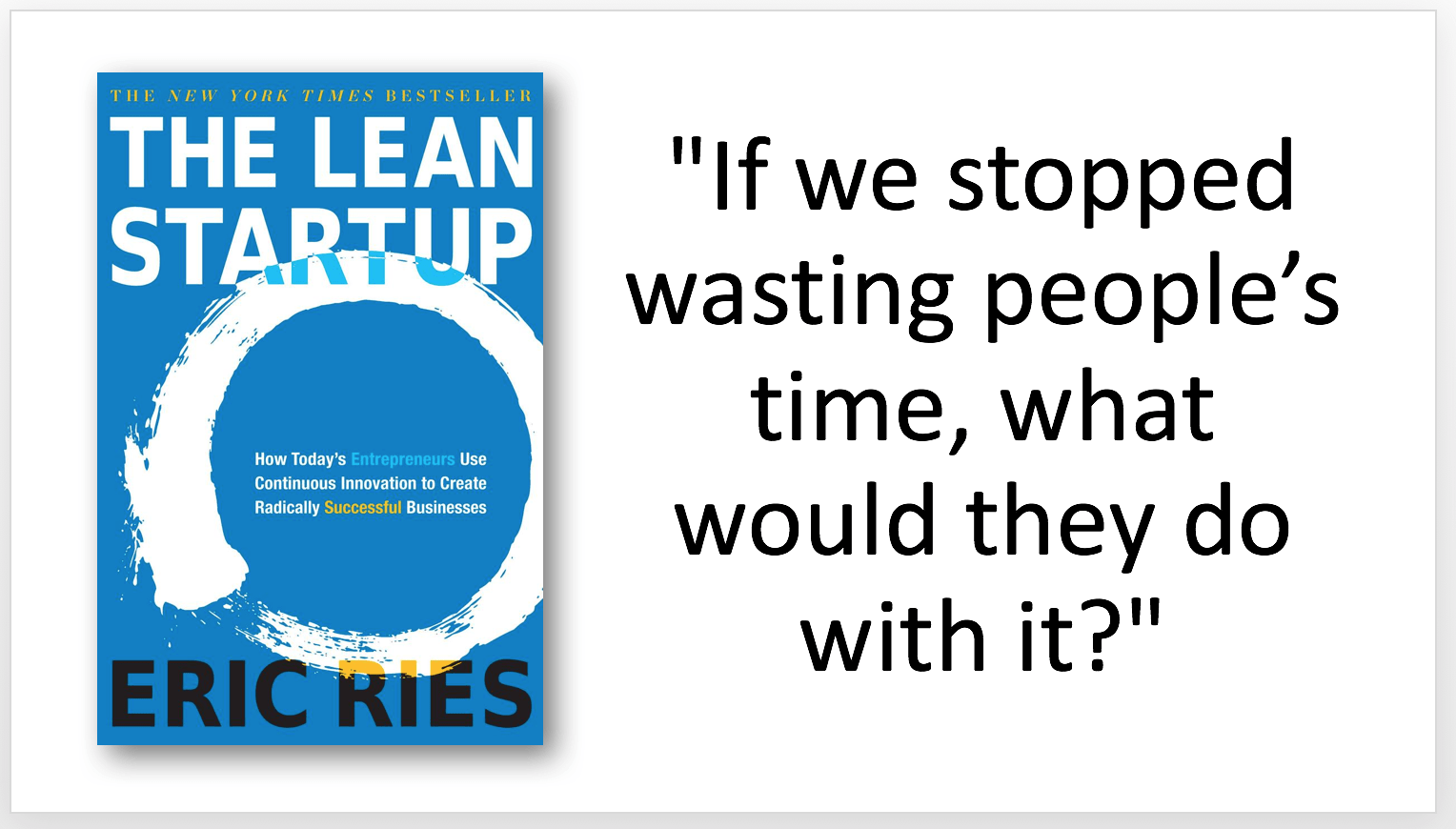
"If we stopped wasting people’s time, what would they do with it?"

I've been going through the book by the late Peter Scholtes: The Leader's Handbook: Making Things Happen, Getting Things Done. His work builds upon the legendary W. Edwards Deming and Russell Ackoff, among others.

I often quote Scholtes (something also attributed to Peter Senge and others) as saying:

"People don't resist change, they resist being changed."
I think that's very insightful and that thought has led me to study change management, "motivational interviewing" and other related topics. It turns out that having the right answer and pushing it on others isn't the best strategy for effecting sustainable change. I had to learn those lessons the hard way and I'm still learning.

Dr. Don Berwick on Respect, Fear, and Change in Healthcare Leadership

Back in 2012, I blogged twice about aspects of Dr. Donald M. Berwick's 1989 article in the New England Journal of Medicine titled “Continuous Improvement as an Ideal in Health Care.” The full text is only available to subscribers.

As I posted on LinkedIn, another aspect of this article caught my eye when I was reviewing it the other day in advance of my talk at the Studer Group "What's Right in Healthcare" conference next week. 

An AI that won't just give you the answer. That's what makes it useful.Free Demo -- Learn More
+ +