
Celebration of Errors From Aerospace to Tech Companies: The Lean Journey of Ward Vuillemot
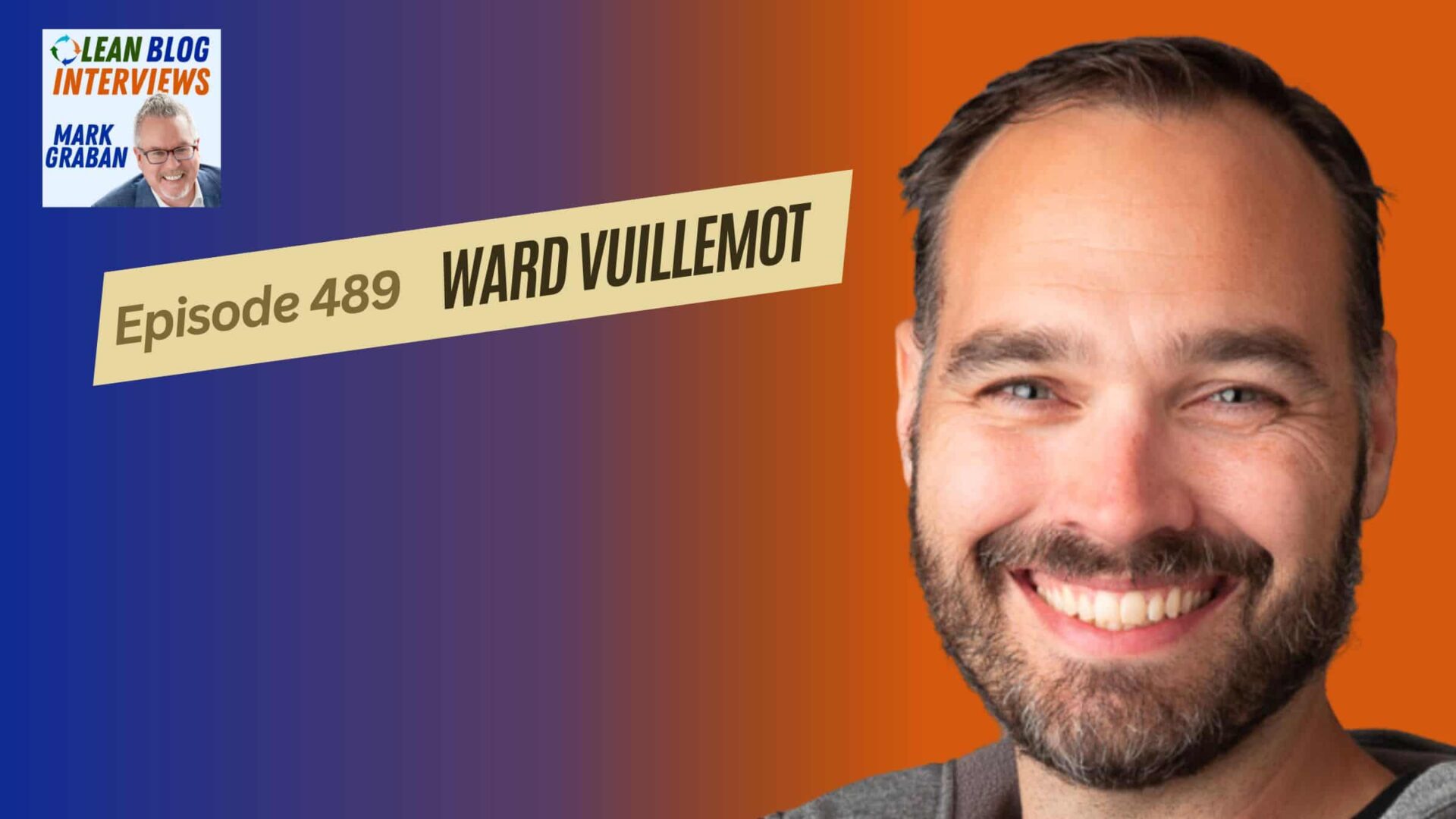
Ward Vuillemot on psychological safety as fundamental to Lean, his Celebration of Errors practice in tech companies, and accountability without blame.

TL;DR: Psychological safety isn’t about comfort—it’s about creating the conditions where people can speak up, solve problems, and improve systems.
Psychological safety is the foundation of learning, quality, and continuous improvement. When people fear blame, embarrassment, or punishment, problems stay hidden and improvement stalls. When people feel safe to speak up, organizations learn faster and perform better.
These posts explore psychological safety through a Lean leadership lens—connecting daily behaviors, system design, mistake response, and respect for people. Drawing from healthcare, manufacturing, aviation, and executive leadership, this archive focuses on how leaders create (or destroy) the conditions for honest dialogue, problem solving, and sustainable improvement.
Ward Vuillemot on psychological safety as fundamental to Lean, his Celebration of Errors practice in tech companies, and accountability without blame.
TL;DR: Psychological safety isn’t created by slogans–it’s created by leader behavior. When leaders respond to mistakes with curiosity, empathy, and support instead of punishment, people feel safer speaking up and organizations learn faster. Using mistakes to learn and improve requires…

TL;DR: Healthcare excellence depends on psychological safety and strong problem-solving. When clinicians and staff feel safe to speak up about mistakes and risks, organizations learn faster, improve patient safety, and deliver better outcomes. Thanks to my friends at Catalysis for…

Thanks as always to Ryan McCormack for this… there’s always so much good reading, listening, and viewing shared here by him! Subscribe to get these directly from Ryan via email Insights about improvement, innovation, and leadership… Operational Excellence, Improvement, and…

tl;dr: In this post, Mark challenges the common notion that speaking up in an organization is solely a matter of individual character or courage. He argues that the willingness to voice concerns or ideas is largely influenced by the culture…
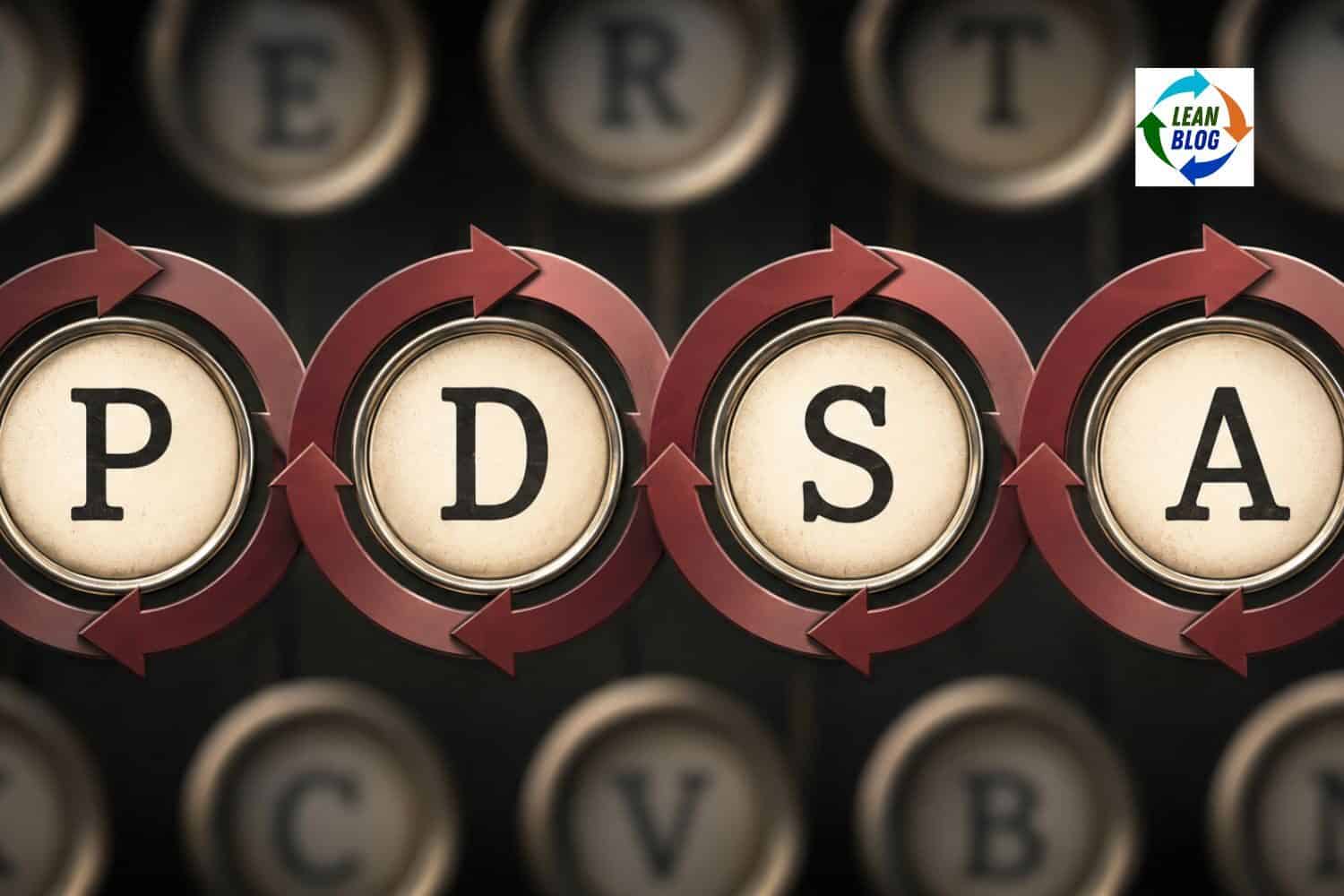
TL;DR: PDSA only works when people feel safe to surface problems, test ideas, and admit when something didn’t work. PDSA is supposed to be the engine of learning in Lean organizations. It’s how teams test ideas, discover what actually works,…

When I was at KaiNexicon last week, our hotel in Austin had a Starbucks in the lobby. I’m a pretty regular drinker of the Nitro Cold Brew beverage at Starbucks or other coffee shops when I can find it. I…
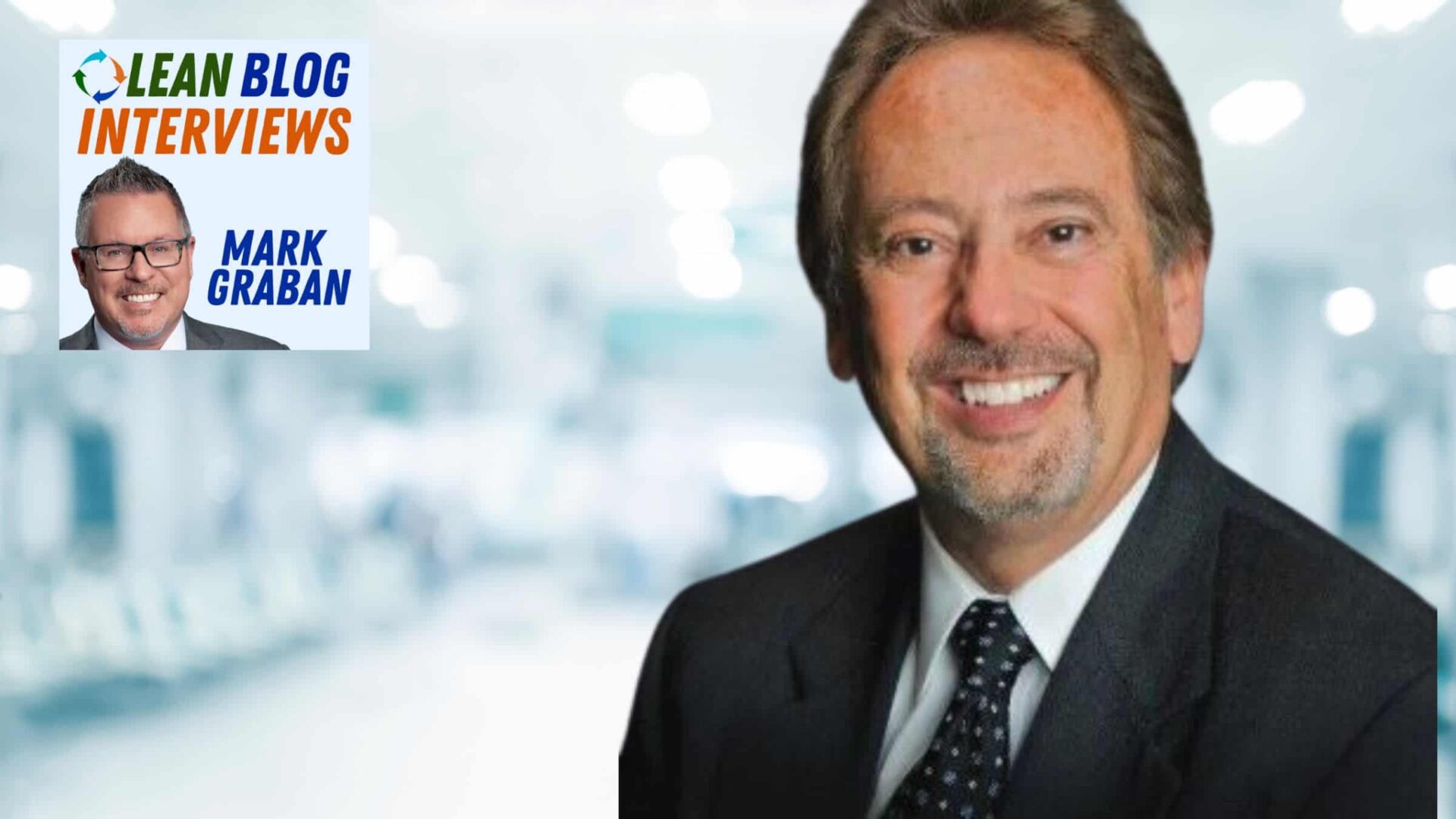
In today's episode, Ken Pilone discusses the application of Lean in healthcare and his experience there, and more!
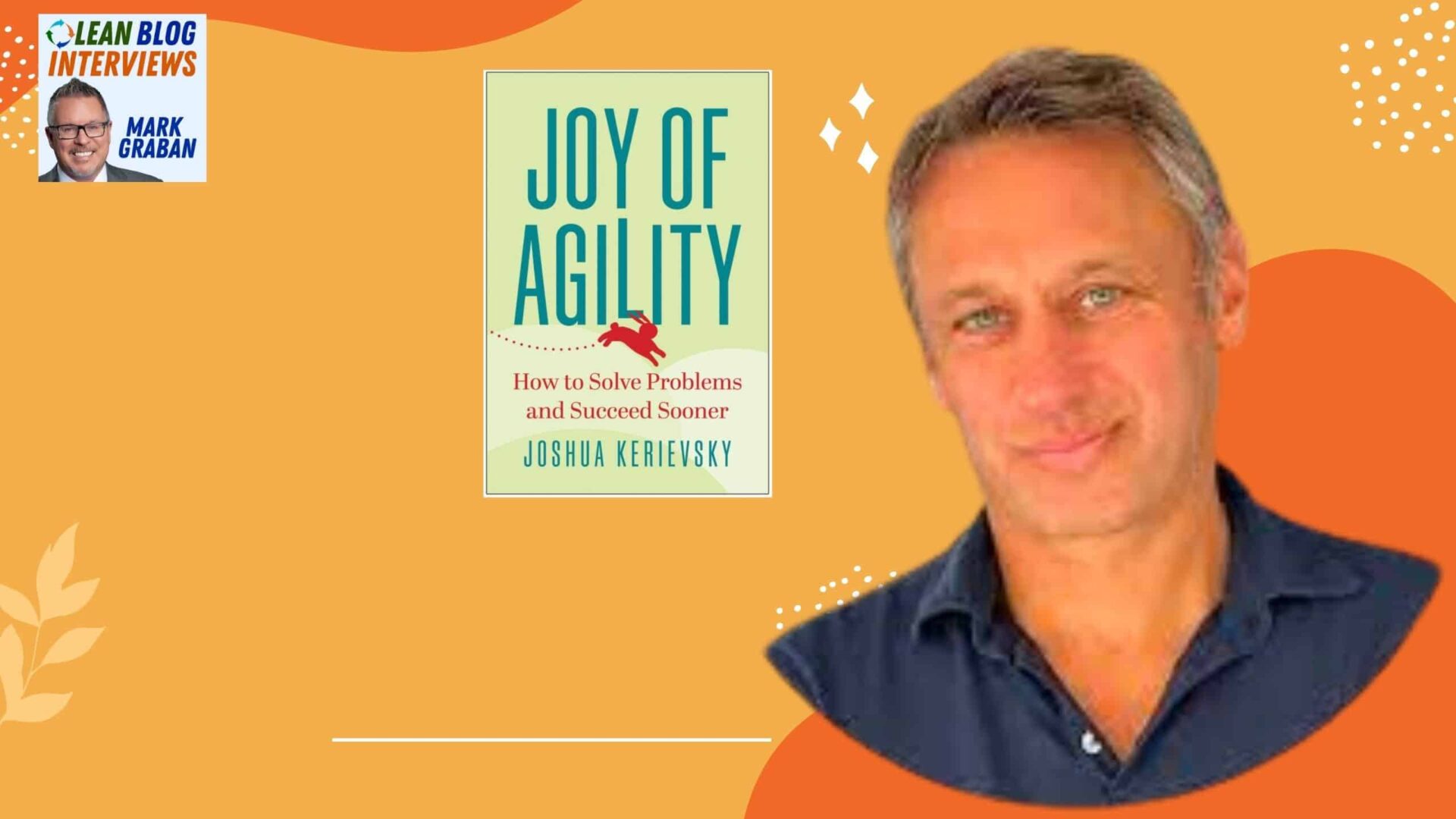
Joshua Kerievsky, author of Joy of Agility, on agility as an adjective, enabling vs. limiting bureaucracy, safe experiments, and what Paul O'Neill taught about safety.

Running through the final post yesterday, Value Capture hosted a new blog series that was a collaboration with my friend Deondra Wardelle and other authors, including myself. New to psychological safety? Start with my guide: Psychological Safety in Lean Organizations:…
TL;DR: In healthcare, a “culture of safety” is not a slogan or a delegated program. It is created through consistent leadership behaviors that reward speaking up, focus on learning instead of blame, and make psychological safety real in daily work.…
Thanks as always to Ryan McCormack for this… there’s always so much good reading, listening, and viewing shared here by him! Subscribe to get these directly from Ryan via email. Insights about improvement, innovation, and leadership… Operational Excellence, Improvement, and…