Tag Manufacturing

Manufacturing Leadership, Lean Systems, and Continuous Improvement

Manufacturing is where many Lean ideas were first developed—but lasting results never come from tools alone. This archive explores manufacturing through the lens of leadership, safety, culture, and systems thinking, drawing lessons from real plants, executives, and frontline experiences that still matter today.

From Toyota and NUMMI to modern aerospace, appliance, and industrial operations, these posts show how manufacturing excellence depends on respect for people, learning from problems, and designing systems that make the right work easier.

Jess Orr on Lean Leadership, Toyota Lessons, and Saving 200 Jobs

My guest for Episode 311 is Jess Orr, a continuous improvement practitioner at WestRock, a large paper and packaging company, where she helps plants foster a culture of continuous improvement and employee engagement.

\Her experience includes working directly for Toyota Motor Manufacturing Kentucky. She is particularly passionate about sharing best practices across industries, which motivated her to found Yokoten Learning.

In today's episode, we talk about her path from Six Sigma Black Belt to a Lean-thinking engineer at Toyota. How did she progress from solving problems herself to developing others? We'll talk about a blog post that she wrote for this blog earlier this year, Lean and ROI, leadership and culture, and much more. What is it like working outside of Toyota again? I hope you enjoy the discussion.

Are Reshoring Trends Real? Using Process Behavior Charts Instead of Headlines

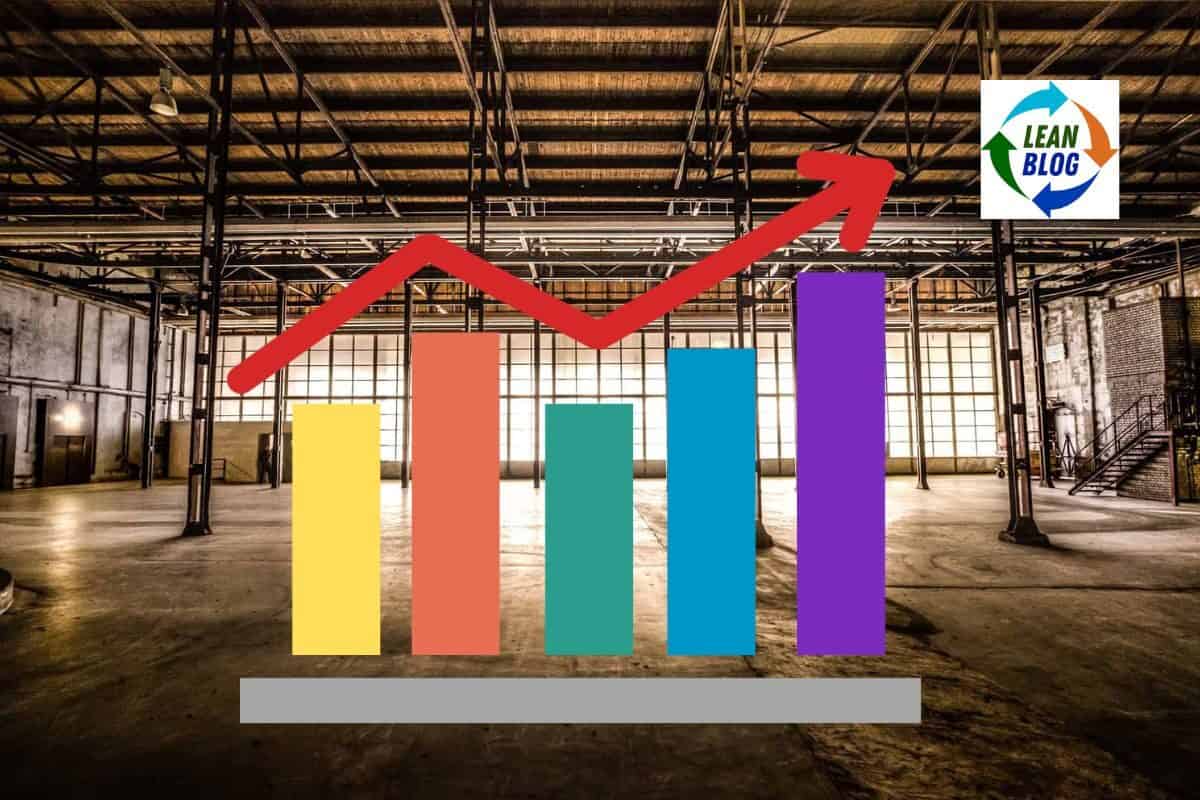
Bar graph with upward trending arrow inside an industrial space, highlighting business growth and Lean principles.

I started my career in manufacturing, so that's just one reason I'm interested in the topics of offshoring (sending manufacturing work overseas) and what's now called "reshoring," or bringing jobs and factories back to the U.S.

Somebody at A.T. Kearney sent me a link to their recent report on reshoring, with the headline:

Reshoring in Reverse Again
US manufacturers are not exactly coming back in droves. In fact, the 2018 Reshoring Index shows that imports from traditional offshoring countries are at a record high.

When you learn to look at data and workplace metrics through the "Process Behavior Chart" methodology, you learn to be skeptical of text descriptions like "a record high." Does "a record high" mean that the data point is statistically meaningful? Not always.

The WSJ Gets Japan Wrong: Why Lean Isn’t “The Japanese Model”

Not all Japanese companies are the same. "Lean isn't easy" if you're a Japanese company. Toyota has created something special, since "Toyota culture" is not exactly the same as "Japanese culture."

The WSJ says the "model is cracking."

Do scandals involving quality and ethical lapses involving companies including those and Nissan tarnish Lean and the Toyota Production System? No. That's as silly as thinking the Wells Fargo banking scandal tarnishes Silicon Valley (although the Valley does enough to tarnish itself).

Lean Can Be Very Fragile, Especially With Executive Changes

Lean can be very fragile. History shows that Lean can fall apart even in an organization that is years into a "Lean journey" with strong CEO involvement.

How is this possible? If often happens when a new CEO is brought in from the outside. In the case of the manufacturing company, Wiremold, it happened when they were acquired by a French company, Legrand.

As an aside, the team that coined the term "Lean" almost used the term "fragile," as I blogged about here.

Back in 2007, Bob Emiliani joined me for Episode #30 of the podcast. As we revisit the podcast and the new transcript I had made, what are the lessons for manufacturers or hospitals?

What's the risk that's created when new leadership takes over?
Podcast #298 – Billy Taylor, Lean Manufacturing Leadership, Part 2

Joining me again for Episode #298 is Billy R. Taylor, for Part 2 of a discussion we started in Episode #293.

Last week, a friend texted me last week and said he couldn't wait for Part 2. He said he pulled off the road to take some notes when he listened to Part 1. So without further ado, here is Part 2.

Here, we discuss "extreme ownership," why creating ownership is more important than forcing accountability, and important lessons he's learned along the way.