
Jamie Flinchbaugh on the Lean Blog Podcast: Every Episode Since 2006
Jamie Flinchbaugh first joined me for Episode #5, back in September 2006, when this podcast was a few months old. He has been part of the show ever since: as a guest, as the guest host who interviewed me for Episode #50 and again for Episode #316, and as my co-host on Lean Whiskey, our separate podcast that ran for 50 episodes starting in 2019. It continues today as Lean Coffee Talk, where Jamie and I still talk Lean, leadership, and culture (now over coffee).
New to process behavior charts? Start with my guide: Process Behavior Charts: A Better Way to Use Metrics Without Overreacting.
Below is a quick look at what those conversations add up to, a few things Jamie said that stuck with me, and every episode in order.
The Big Picture
A few ideas keep coming back across these conversations. In Episode #5, Jamie talked about having a “hatred for waste” and why spotting waste is only a means to eliminating it. In Episode #6, he talked about how leaders need to apply Lean ideas themselves. Later conversations covered coaching in Episode #64 and, in Episode #261, what's working in the Lean community, where organizations struggle, and what it means to be a Lean zealot.
The common thread is that Lean is about people and daily behavior, not a toolkit. That runs from the early waste conversations to his 2021 book People Solve Problems, which we discussed in Episode #432. Jamie has also turned the tables twice, interviewing me for Episode #50 about Lean Hospitals and for Episode #316 about Measures of Success.
If you hate waste you might be compelled to do something about it.
Jamie Flinchbaugh, Episode #5 (2006)
Start Here
If you only have time for one, start with our conversation about People Solve Problems.
Coaching someone on the method is helping them get to their own conclusion, not your conclusion.
Jamie Flinchbaugh, Episode #64 (2009)
Every Episode with Jamie Flinchbaugh



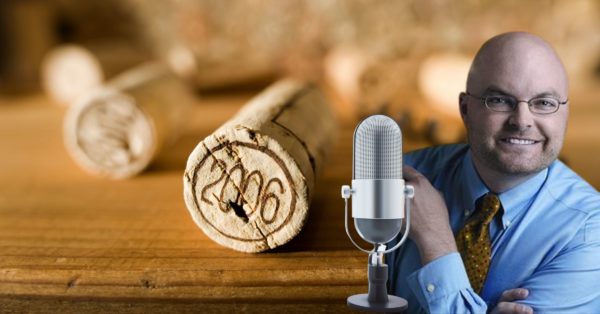

One of the most interesting compliments I ever got, somebody called me a pragmatic zealot.
Jamie Flinchbaugh, Episode #261 (2016)
Questions People Ask
What does Jamie Flinchbaugh mean by a “hatred for waste”?
In Episode #5, Jamie explained that spotting waste is only a means to eliminating it: “If you hate waste you might be compelled to do something about it.” He came back to the idea in 2021, talking about making waste elimination a daily activity.
How should a Lean coach coach?
In Episode #64, Jamie said that Lean is fundamentally about people, which makes coaching a core process, and that coaching someone on the method means helping them reach their own conclusion, not yours.
What is a “pragmatic zealot”?
In Episode #261, Jamie described being a zealot as having uncompromising passion, and said one of the most interesting compliments he ever got was being called a pragmatic zealot.
What is People Solve Problems about?
Jamie's 2021 book is about leadership and problem solving, and the idea that improvement depends on the people doing the work, not only on tools and templates. We talked about it in Episode #432.
Jamie's Books
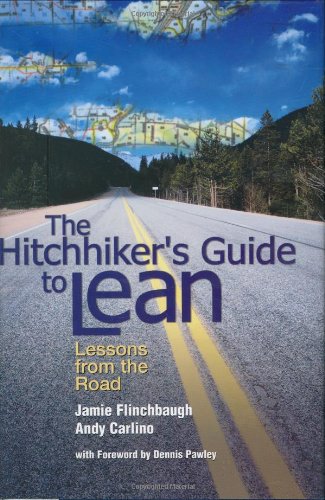
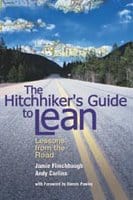
The Hitchhiker's Guide to Lean
With Andy Carlino (2005). Discussed in Episode #5
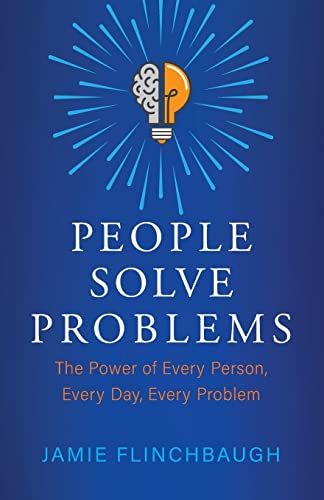
People Solve Problems
2021. Discussed in Episode #432