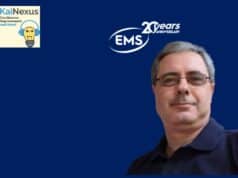

In a webinar I hosted with Sandro Casagrande from Electrolux, we reflected on the 20-year evolution of their Electrolux Manufacturing System (EMS). One of the highlights was hearing how KaiNexus became part of that journey starting in 2017. You can watch the clip here, but I'd like to share a few key reflections from our discussion that go beyond technology.
and the full webinar:
Tools Don't Create Culture–But They Can Support It
When Electrolux started exploring the KaiNexus improvement platform, it wasn't because they were chasing shiny new tech for the sake of tech. It was a response to a very real challenge:
how do you effectively manage 4,000 to 5,000 improvement actions at a single site?
Paper and spreadsheets weren't scaling (they never do). Improvement work was getting harder to track. Follow-ups were slipping. The core values of EMS–engagement, discipline, follow-through–were at risk of being diluted by volume.
KaiNexus didn't fix that for them. But it became a flexible support structure–digitizing action tracking, layered audits, KPI boards, team boards, and more–that allowed THEM to fix it. As Sandro put it, the platform didn't generate ideas, but it did help people manage and sustain them.
That distinction matters.
Leadership Made Space for Experimentation
Sandro also shared how the decision to explore KaiNexus came with a rare and powerful message from an EMS leader:
“Take the time, explore this, and don't worry about showing me ROI up front. Just tell me if this can help.”
That's trust. And that's leadership. It wasn't about immediate metrics–it was about learning. Metrics and results will follow
Too often, organizations demand a business case before anyone has had a chance to experiment. In this case, the business case emerged because there was space to try, reflect, and learn. It's a great example of how psychological safety enables innovation–not just on the shop floor, but in systems and tools as well.
The Platform Scales, but People Still Matter Most
Today, KaiNexus is used across about 60% of Electrolux sites–nearly complete coverage in Latin America and Europe, with expansion continuing elsewhere. But Sandro reminded us: the platform doesn't do the work. People do.
The software provides reminders, accountability, and visibility. But the real fuel for EMS comes from the people on the ground:
- identifying opportunities,
- acting on them, and
- learning along the way.
That's the essence of Lean: respecting people enough to give them the systems and support they need to improve their work–and the permission to do so.
Final Thought
It's easy to get excited about digital tools. But we can't forget that technology is an enabler, not a replacement for culture. Whether you're starting your Lean journey or celebrating two decades like Electrolux, the fundamentals remain the same: create space for experimentation, invest in systems that support people, and stay focused on learning.
Thanks again to Sandro and the Electrolux team for sharing their story. And thank you to all of the customers and partners who continue to make KaiNexus part of their continuous improvement journey.
Let me know what stood out to you in the video and the full webinar.
If you’re working to build a culture where people feel safe to speak up, solve problems, and improve every day, I’d be glad to help. Let’s talk about how to strengthen Psychological Safety and Continuous Improvement in your organization.