
What Old GM and NUMMI Documents Reveal About Lean, Kaizen, and Respect for People
TL;DR: Archival GM and NUMMI documents reveal how deeply Toyota embedded kaizen, problem-solving, and respect for people into daily work–principles that contrasted sharply with old GM management practices and still offer timely lessons for Lean leadership today. These firsthand materials show that sustainable improvement comes from engaging people to think, question assumptions, and continuously improve their own work.
Archival NUMMI and GM documents show that Lean was never about tools–it was about engaging people to think, question assumptions, and improve their own work.
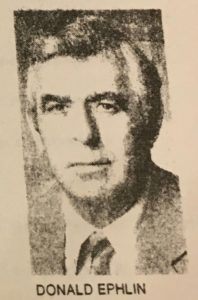
When I was a graduate student at the MIT Leaders for Global Operations program, one of our visiting professors was Don Ephlin, a former Vice President for the United Auto Workers. He passed away in 2000 (read his obituary).
He was responsible for the UAW/Ford relationship for a few years and then was responsible for the UAW/GM relationship during the 1980s when GM started the NUMMI joint venture with Toyota and ramped up Saturn. Ephlin played a very critical role in both of those new ventures.
I did a Google search on him after a discussion with a Lean Blog reader (and sometimes commenter) who was also a UAW leader. I discovered that Ephlin's UAW office papers were archived at the Walter P. Reuther Library at Wayne State University in Detroit.

I was back in the Detroit area for a football game and to visit friends and family, so, being the nerd that I am, I made an appointment to view the collection yesterday.
I'm not an academic researcher, so the idea of going to a library reading room collection was new. Thankfully, everybody at the library was incredibly welcoming and helpful about how their process worked.
Here's the reading room from the outside:

Working from the list of boxes and folder names, I was able to request up to five boxes at a time, which they retrieved for me:
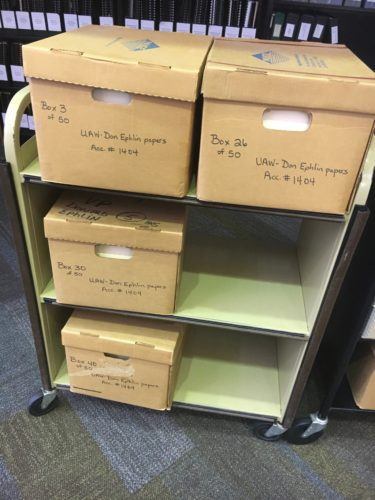
Then, each box was jammed full of materials that were neatly organized into labeled folders.
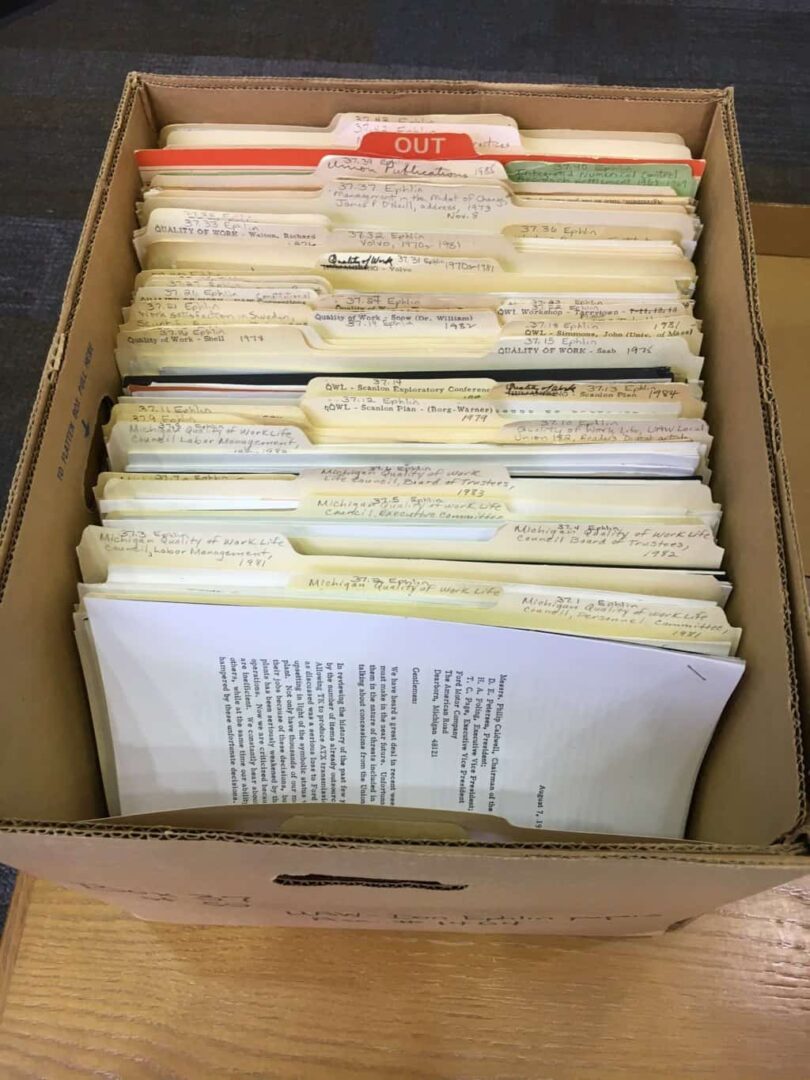
Given the work that Ephlin did, it's a real treasure trove.
I was able to take photos of many documents. I was there about four hours and still haven't been able to read through it all in detail. That will take time.
There will be plenty of blog posts to come, I'm sure.
Some of the documents include a Ford / UAW trip report from their visit to Japan and Toyota:

My blog post:
And, an original NUMMI team member handbook from the plant's opening in 1984:
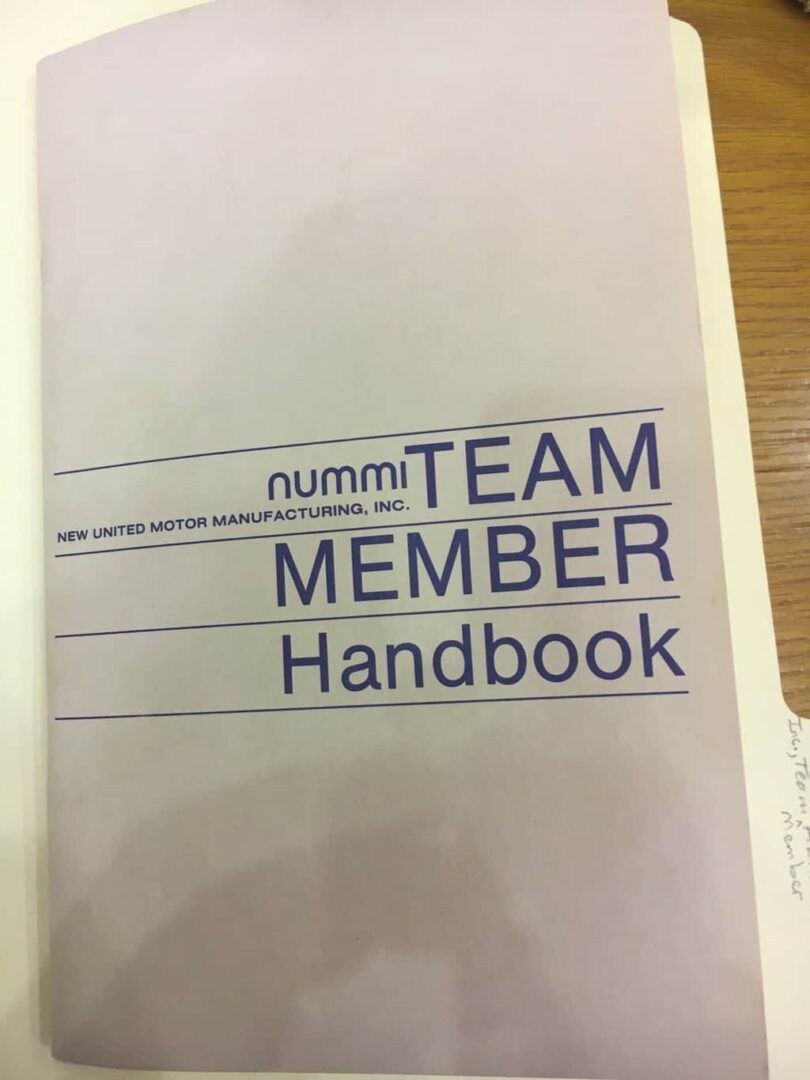
My blog post on this handbook (Part 1):
And a GM report from 1987 about “NUMMI Management Practices:”

My blog post on that report:
Because some of that material is labeled “GM Confidential” (it was the “Old GM”), I need to look for some guidance about what I can publish here and to what extent.
I will go ahead and share some of the quotes that are scattered around the NUMMI handbook that might seem familiar in words or concept.
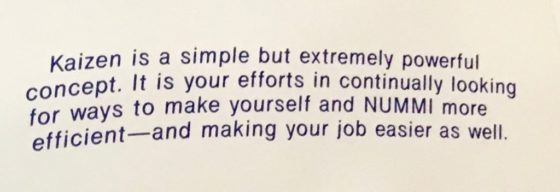
This includes their focus on engaging every employee in Kaizen, or continuous improvement (something that GM didn't really do at the Fremont plant before it became NUMMI):
“Kaizen is a simple but extremely powerful concept. It is your efforts in continually looking for ways to make yourself and NUMMI more efficient–and making your job easier as well.”
And Toyota emphasized the importance of good management (instead of blaming the workers like GM did):
“Without ensuring its employees a stable livelihood through sound management, the company understands it cannot hope to enjoy growth and prosperity.”

And the idea of developing people by challenging them to think and participate in Kaizen:
“Give full play to your creative inventiveness.
Progress is made only through great effort;
leading people by the hand does not make them creative.”

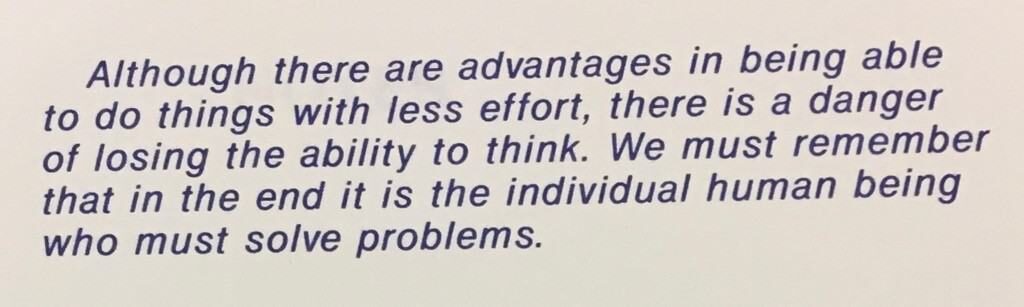
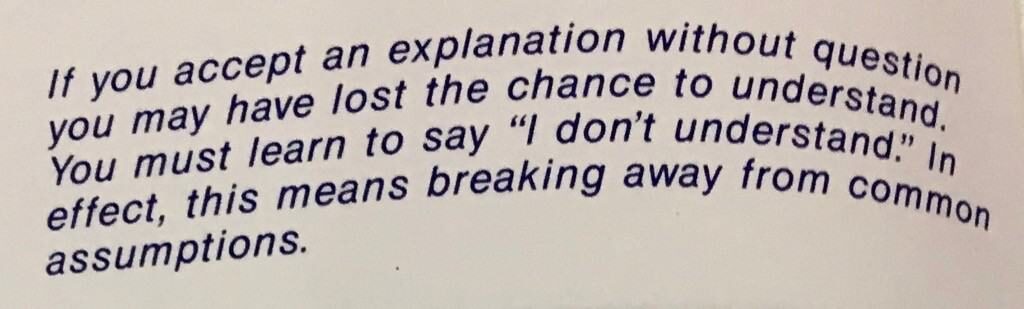
And two quotes about problem solving:
“Although there are advantages in being able to do things with less effort, there is a danger of losing the ability to think. We must remember that in the end it is the individual human being who must solve problems.”
“If you accept an explanation without question you may have lost the chance to understand. You must learn to say “I don't understand.” In effect, this means breaking away from common assumptions.”
Why These Documents Are Just the Beginning
What's most striking about these old GM and NUMMI documents isn't that they feel like history–it's that they read like unfinished business. The ideas scattered through the NUMMI handbook and related materials–about Kaizen, management responsibility, creative thinking, and problem solving–are ideas many organizations still say they believe in, yet struggle to practice consistently.
These weren't slogans. They were expectations. Employees were expected to think, to question, to improve their work–and managers were expected to create the conditions that made that possible. That contrast between what was written and what many workplaces still experience today is exactly why these documents are worth revisiting carefully, not nostalgically.
This post is just a high-level look through the archive. There are Japan trip reports, internal memos, management reflections, and training materials that add important nuance to how Lean thinking entered GM, how it was interpreted, and where it succeeded–or quietly stalled. Some of those lessons are subtle. Others are uncomfortable. All of them are still relevant.
I'll be sharing more excerpts and observations from these materials in future posts, not as historical curiosities, but as prompts for reflection: What did these leaders understand early on? What got lost along the way? And what might we still relearn if we're willing to look closely–and question our assumptions, just as NUMMI once asked people to do.
Stay tuned. There's a lot more in these boxes worth unpacking. I'll be writing more about these documents.





Here is a video with Don Ephlin… he’s the first 20 minutes of the video or so and he talks about NUMMI, among other topics:
https://www.c-span.org/video/?17891-1/american-competitiveness-part-2
[…] when I posted a bit from the old 1984 NUMMI Team Member Handbook (more still to come on that), it allowed me to connect with Tom Wilson, a retired GM leader who […]
[…] recently wrote about my exploration of the collected papers of the late Don Ephlin, a UAW senior leader and a […]