
Mistakes and Leadership Lessons: Still Learning, Three Years Later
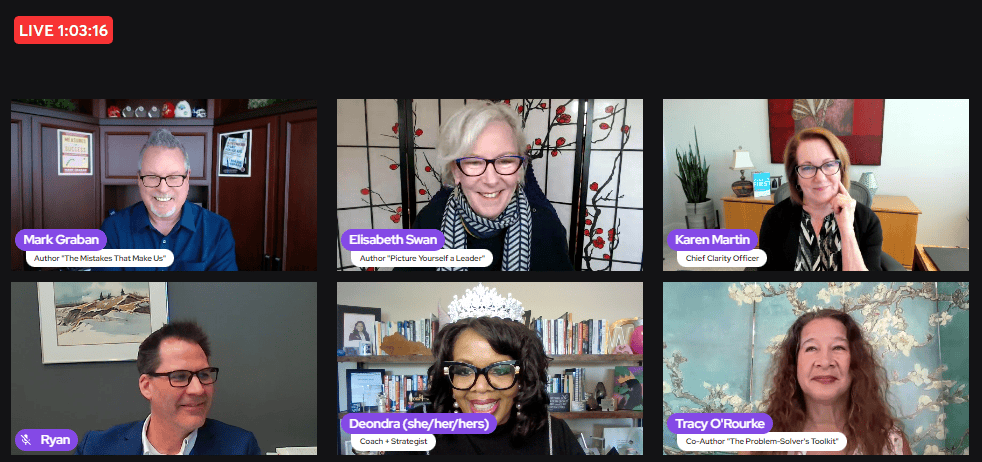
Three years ago, The Mistakes That Make Us came out. Around the same time, Elisabeth Swan published Picture Yourself a Leader. Both books' third birthdays felt like a decent reason to get together and talk together and bring in some special guests.
On Thursday, May 7, at 1 PM ET, Elisabeth and I co-hosted a live event on LinkedIn called “Still Learning: Mistakes and Leadership Lessons.” We talked about what readers have shared with us, what has held up, what we might write differently now, and the leadership questions that keep coming back.
The Recording:
Three years is a funny milestone. Long enough that you can see which ideas readers actually use, short enough that the questions still feel current.
What Our Guests Shared
We invited four people whose work I admire to bring a recent mistake of their own and the lesson it left behind. The stories ranged from a botched simulation in Sardinia to a sales hire that did not work out. The through-line was familiar: the lesson sat with the leader or the system, rarely with the person closest to the failure.
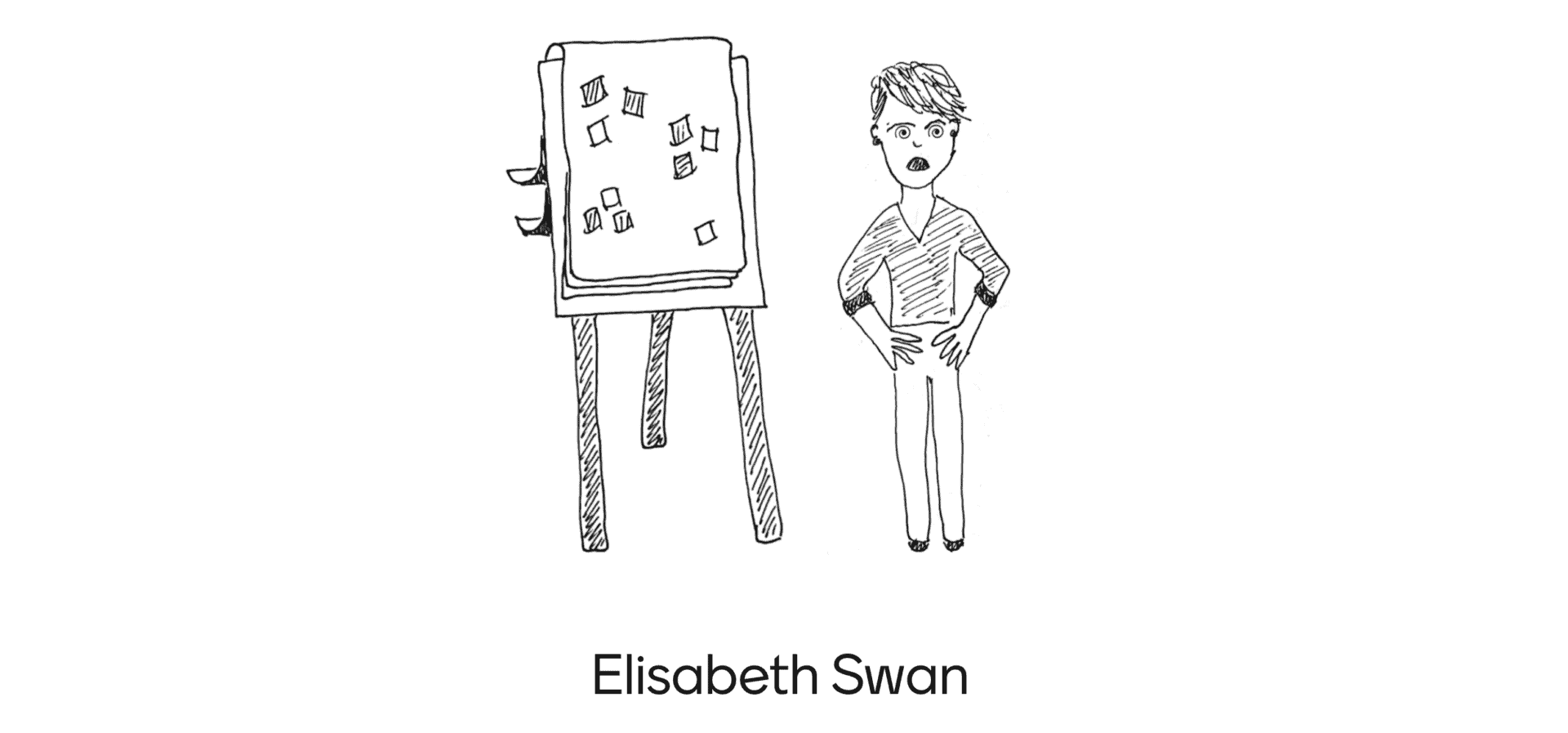
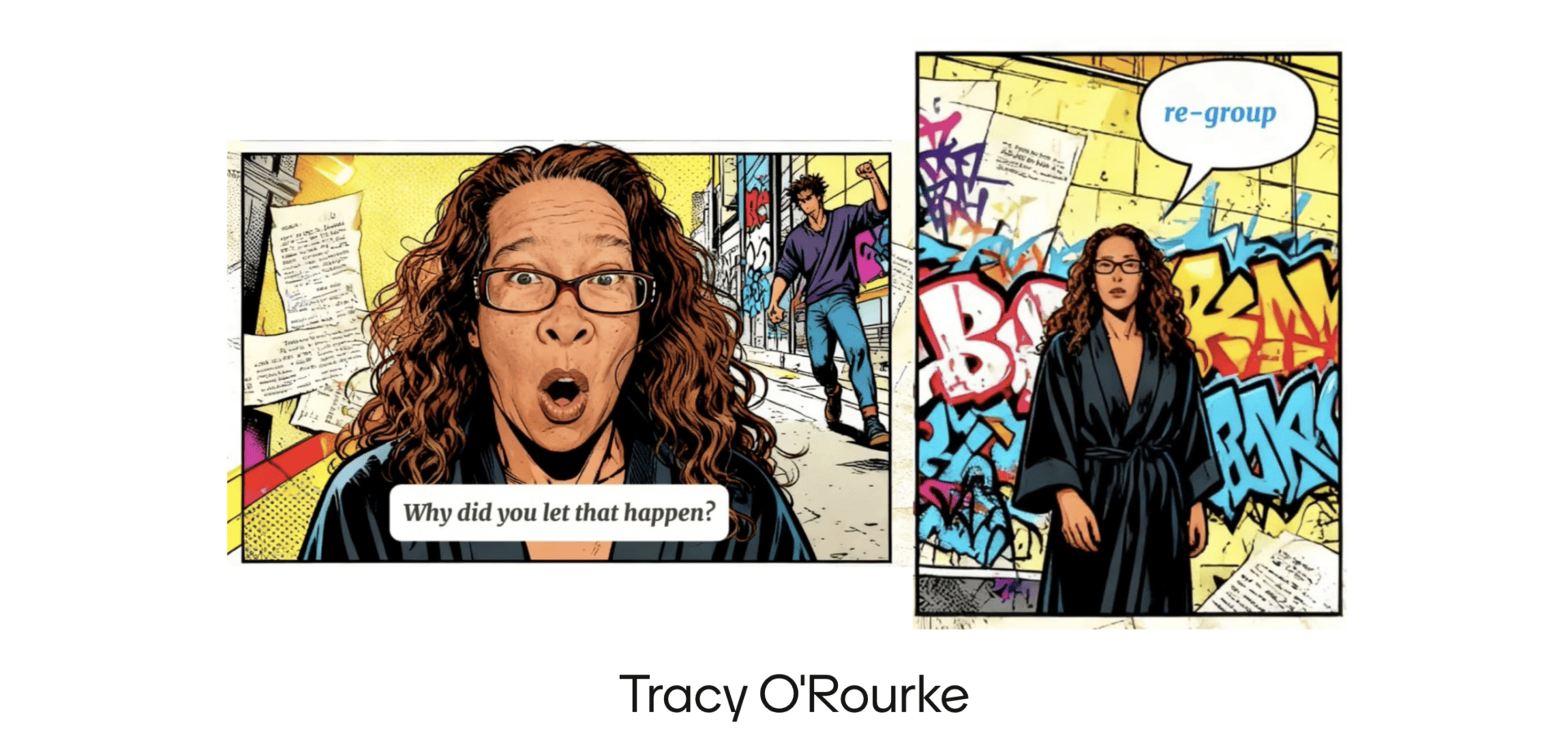
Oh, and each of us shared an image that represented our story (Elisabeth and me included).
- Deondra Wardelle, Founder and CEO of On To The Next One Consulting
- Tracy O'Rourke, Master Black Belt, Lean Six Sigma instructor, JITCafe.com
- Ryan McCormack, Operational Excellence at Wawanesa Insurance, author of the Operational Excellence Mixtape on Substack
- Karen Martin, President of TKMG and TKMG Academy
Elisabeth Swan: The Day the Simulation Broke
Elisabeth was running a global Lean Six Sigma rollout for Starwood Hotels. The setting was Sardinia, with leaders from Europe, Asia, and the Middle East. Four concurrent simulations, all designed by her. The US rollout had just been a hit, written up in the Wall Street Journal.
Three of the four simulations went well. Hers did not. Red-eye flight, no sleep, an unprepared partner, and a director in her cohort who was unhappy with the changes coming from the US and quietly worked against the exercise. Elisabeth used to tell people the simulation could not be broken. That day it broke completely. She told the client it had not gone well.
The next day, still wanting to see no human being, she got together with the other consultants. One of them looked at her and said, “Do you mean to say you've never bombed before?” Then they all started telling her about their own flops.
What she took from it: the neuroscience says it is easier to learn from other people's mistakes than our own, because our own hijack us. So leaders have a role in helping each other bounce back, and that means being willing to share what did not work. She kept working with Starwood and Marriott for decades after that day.
Mark Graban: A New Failure Mode for Live Polling
Mine is smaller, and recent. I use Mentimeter for live audience polling during keynotes and workshops. It usually adds something real to the room. Over the years, I have built a checklist for the things that can go wrong: the integration with PowerPoint, the pre-load, and the WiFi connection.
I was with a client recently and everything seemed fine. Then I advanced to a poll slide live during the session and nothing happened. No votes. Someone called out that it was not coming up on their phones. The WiFi was technically connected but slow enough that the polls would not load for the audience. It eventually worked, and the session was fine. But I had found a new failure mode I had not anticipated.
What I am sitting with now: every time I think I have mapped the failure modes, another one shows up. The question I do not have a clean answer to yet is whether I am stuck discovering them one at a time, or whether there is a more systematic way to anticipate them. Probably both.

Deondra Wardelle: A Recovering Micromanager
Deondra was running global continuous improvement for a printing company, with seven direct reports across North America, Europe, and Asia. She believed she was empowering her team. Then a master black belt came to her with questions about layout, design, and color scheme on a project she had asked them to develop on their own. His reason: “We know how picky you are. We know what a perfectionist you are. We want to make sure we're doing this the way you want it.”
That stung. He felt safe enough to say it, which she appreciated. The same employee introduced her to the Improvement Kata and Coaching Kata. She said the team's creativity expanded once they understood it was okay to focus on progress over perfection.
Her line that stuck with me: “It's important for people to see themselves in the vision.”

Tracy O'Rourke: A Coaching Moment She Wishes She Had Back
Tracy told a story with a comic-book illustration. About 18 years ago, she was a master black belt at a financial services client. A black belt presented a project to executives, and the presentation fell apart. Typos. Confused executives were wondering if the team knew what it was doing.
In the moment, Tracy turned to the presenter's coach and said, “How could you have let this happen?”
It was a question. Coaches are supposed to ask questions. But it was the wrong question, asked with emotion in the room and other people watching. She had to retreat and reflect on what she would do differently. The better version, she said, would have been something like, “What can we change so our problem solvers are better set up for success when they present to executives?”
Ryan McCormack: The Idea He Should Not Have Crushed
Ryan led a tight-knit improvement team that ran a weekly idea huddle. One team member kept bringing back an idea Ryan had already decided would not work. After a few weeks of it, in front of the whole team, Ryan called the idea stupid and listed every reason he was right.
He said the relationship with that person never recovered. And the rest of the team got quieter. Everyone in the huddle was thinking, “That's going to happen to me someday.”
Two things he carries from it. One, it is not a leader's job to rescue people from their own ideas, unless safety is at stake. Two, in his words, choose being helpful over being right. He has it inscribed on a wooden plaque on his desk.

Karen Martin: Hiring for a Job She Did Not Fully Understand
Karen hired a salesperson with strong e-learning credentials and a high base salary. He helped her build out the sales enablement infrastructure. Then the leads did not come. Months passed with no pipeline. Eventually, she had to let him go. During the exit conversation, he mentioned that he had never been a full-cycle salesperson. Karen had to ask what that meant.
A full-cycle salesperson finds the leads and closes them. He had always been handed leads to work. Karen had not known to probe for the distinction, and she had not brought in someone who would have known.
She also pushed back on a piece of advice she had taken to heart years ago, that you hire for work ethic and aptitude over skill set. She thinks that holds in many domains. In sales, she now believes, people are wired for it or they are not.

Bright Spots and Challenges
We closed by asking each guest about a bright spot or a challenge they see in the work right now.
Tracy named AI as both. Some of her clients are racing to catch up, and the gap between people who use it well and people who do not is widening fast.
Karen pointed to organizations starting a Lean journey for the first time. They are entering at a better moment than someone who started 10 or 15 years ago, with a clearer picture of what leadership conditions actually have to be in place.
Deondra is seeing senior leaders in the nonprofit space treat leadership development as something embedded in daily operations rather than a workshop on the calendar.
Ryan said the pace of change has never been higher and is also the slowest it will ever be from here on out. He used to spend half his career convincing people to experiment. He does not have to do that anymore.