


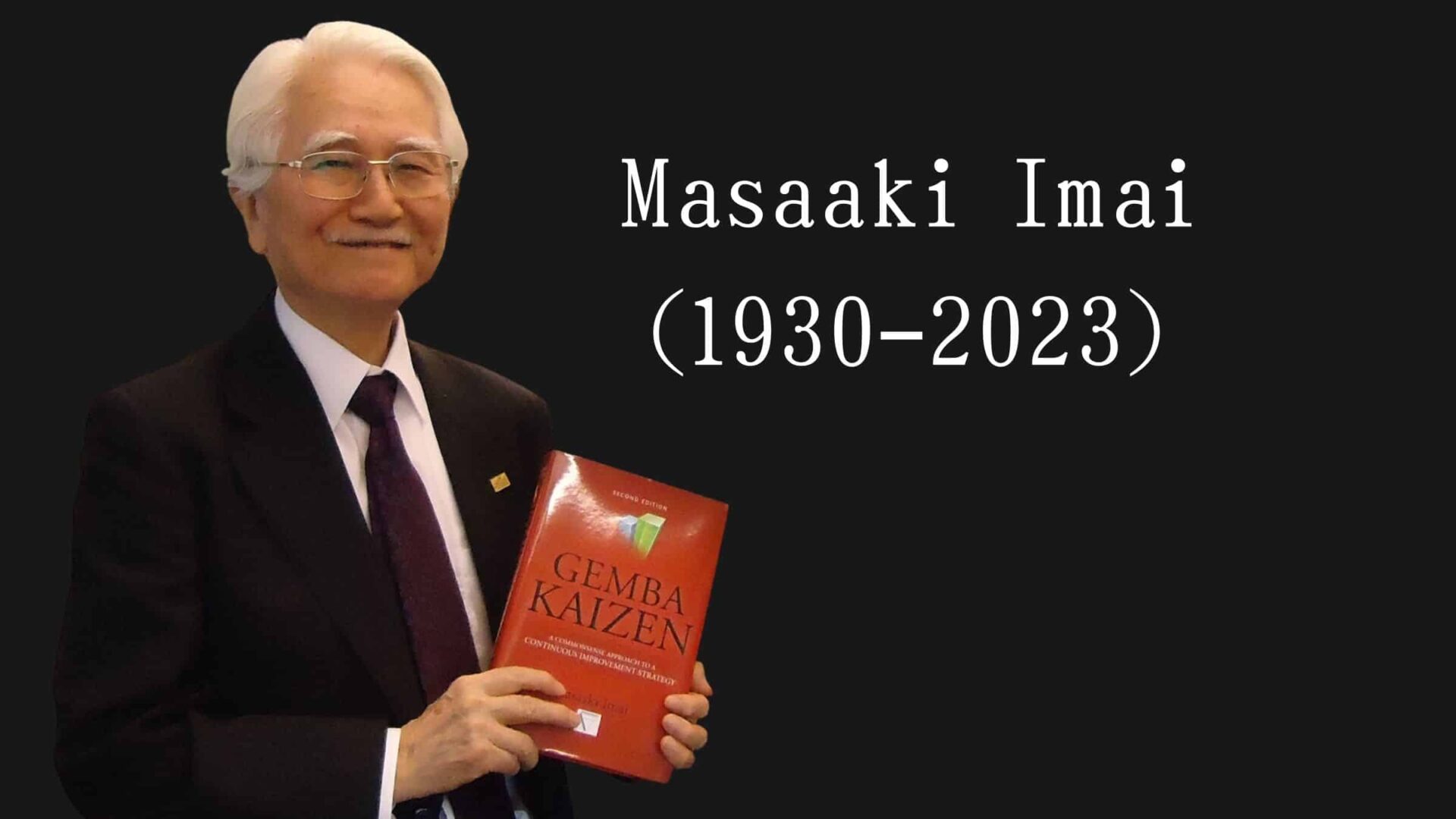
TL;DR: Masaaki Imai (1930-2023) was the Japanese consultant who, more than any single person, brought the word “kaizen” — and the practice of continuous improvement — to the global business community. His 1986 book Kaizen: The Key to Japan's Competitive Success introduced Western managers to the concept. His 1997 follow-up Gemba Kaizen moved the focus to the workplace where the work actually happens. He founded the Kaizen Institute, traveled the world teaching, and shaped generations of Lean and continuous improvement practitioners — including me. This post shares what he taught, my personal recollections of meeting him, his foreword to my book Healthcare Kaizen, and his own definition of kaizen in his words.
I was saddened to learn today that Masaaki Imai, whose work on Kaizen and continuous improvement influenced organizations around the world, passed away, as announced this week by the organization he founded, the Kaizen Institute. He was 92.
Kaizen Institute Announces the Passing of its Founder, Masaaki Imai
What Imai Taught: Five Core Ideas
Imai's body of work, across three books and decades of consulting, returned consistently to a small set of ideas. The ones that influenced practitioners most:
- Kaizen is everyone, everywhere, every day. Imai's most-quoted definition. Not a project. Not an event. A daily practice, distributed across the entire organization, expected of everyone — not delegated to a kaizen office or a specialist team.
- Go to gemba. “Gemba kaizen” — the title of his 1997 book — established the principle that improvement begins at the actual place where work happens, observed firsthand, not in a conference room. Managers who don't go to gemba can't lead kaizen.
- Maintenance and improvement are inseparable. Imai distinguished two phases of daily work: maintaining the current standard (the best known way of doing the job) and improving the standard. Both require dedicated management effort. Skipping maintenance to chase improvement is a common failure mode. “To maintain and improve the standard becomes the main task of management.”
- Welcome problems. From the foreword Imai wrote for my book Healthcare Kaizen: “The more problems, the better, since we have more kaizen opportunities.” Problems are not failures — they are the raw material of improvement. Organizations that hide problems can't improve them.
- Top management commitment is the only way. Imai was direct about this: without sustained commitment from senior leaders, “nothing else you do will matter.” Kaizen is not a tools-and-techniques upgrade. It's a culture change that requires years and decades of leadership investment.
Each of these is simple to state and hard to practice. Imai spent six decades making the case that the practice is what matters.
Imai's Key Books
- Kaizen: The Key to Japan's Competitive Success (McGraw-Hill, 1986). The foundational text. Introduced “kaizen” as a management concept to Western business readers and made the case that Japan's manufacturing success was built on small, continuous improvements rather than large transformations. Still in print 40 years later.
- Gemba Kaizen: A Commonsense Approach to a Continuous Improvement Strategy (McGraw-Hill, 1997; revised 2nd edition 2012). Moved the focus from the boardroom to the shop floor — gemba, the actual place where value is created. Argued that improvement happens where work happens, not in planning meetings.
- Strategic KAIZEN: Using Flow, Synchronization, and Leveling to Measure and Improve Operational Performance (McGraw-Hill, 2021). Imai's final book, published when he was 90. Connects kaizen to operational measurement and to the strategic objectives of the organization.
He also founded the Kaizen Institute in 1985, which continues to operate globally as a consulting and training organization.
Masaaki Imai's Global Impact on Kaizen and Continuous Improvement
Mr. Imai was well known for his books, including KAIZEN, his follow up Gemba Kaizen, and his latest, Strategic KAIZEN™ (published in 2021). He traveled the world teaching people about continuous improvement.
I'd like to first express my deepest condolences to Mr. Imai's family, friends, and colleagues.
Hear Mark read this post — subscribe to Lean Blog Audio
Meeting Masaaki Imai: Personal Reflections and Learning
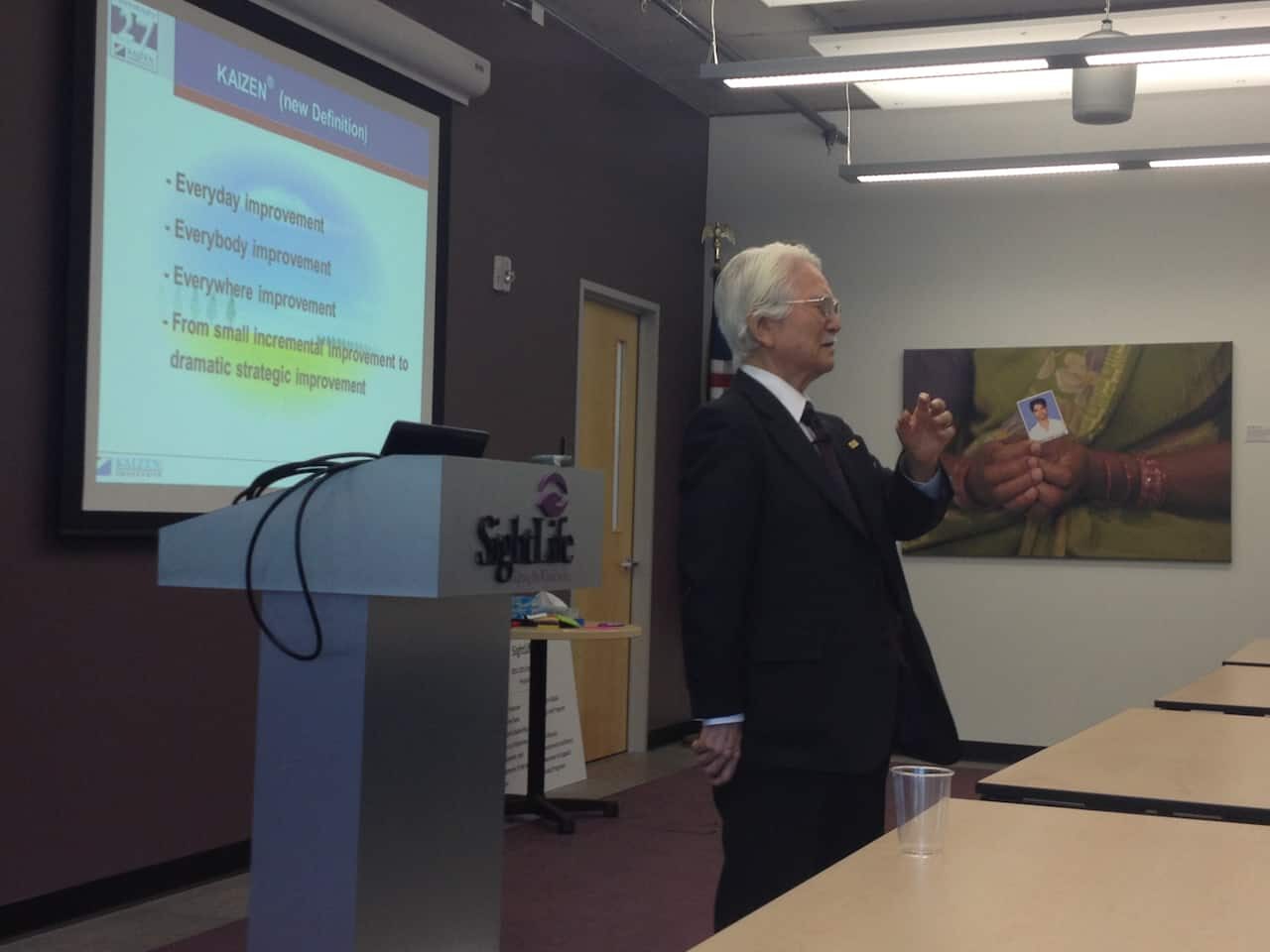
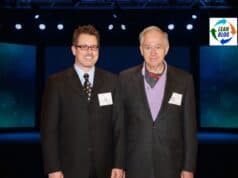
I had the fantastic opportunity to meet Mr. Imai a few times — once in Seattle when he was visiting and speaking at a healthcare organization, and twice during Japan study tours organized by Kaizen Institute. Thank you for your contributions to the world, Mr. Imai!
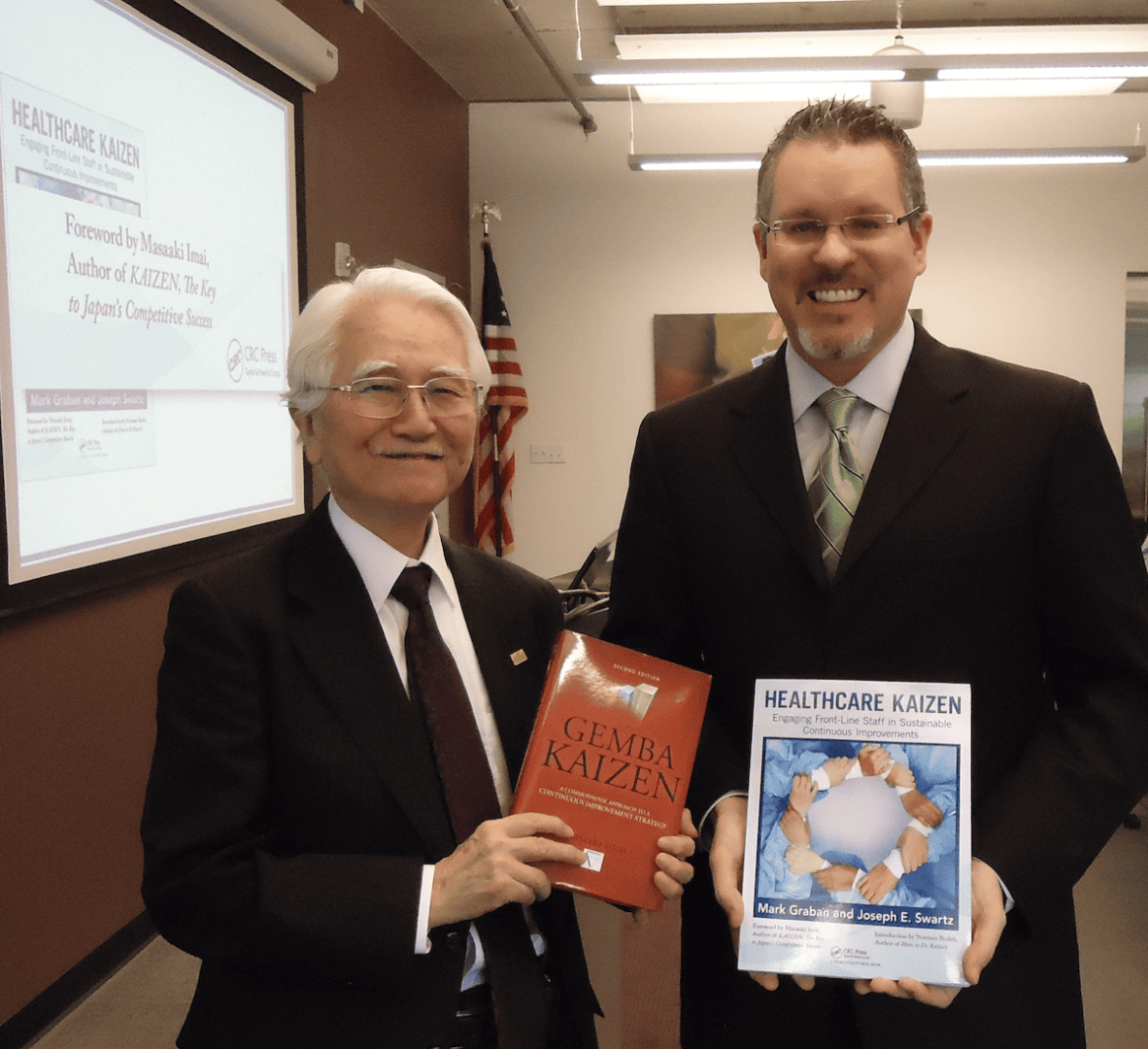
My co-author Joe Swartz and I were honored that Mr. Imai agreed to write the foreword to our book Healthcare Kaizen, published in 2012. The introduction for that book was written by Norman Bodek, who passed away in 2020. I'm printing Imai's foreword at the bottom of this post.
Here are some previous posts about Mr. Imai and I'll also share some photos further down, including some I've never shared online.
How Masaaki Imai Defined Kaizen
Here is a nice video of him defining “Kaizen” as everybody improvement, everywhere improvement, everyday improvement — something I wish more people took to heart.
Photos: Masaaki Imai in Seattle and Japan
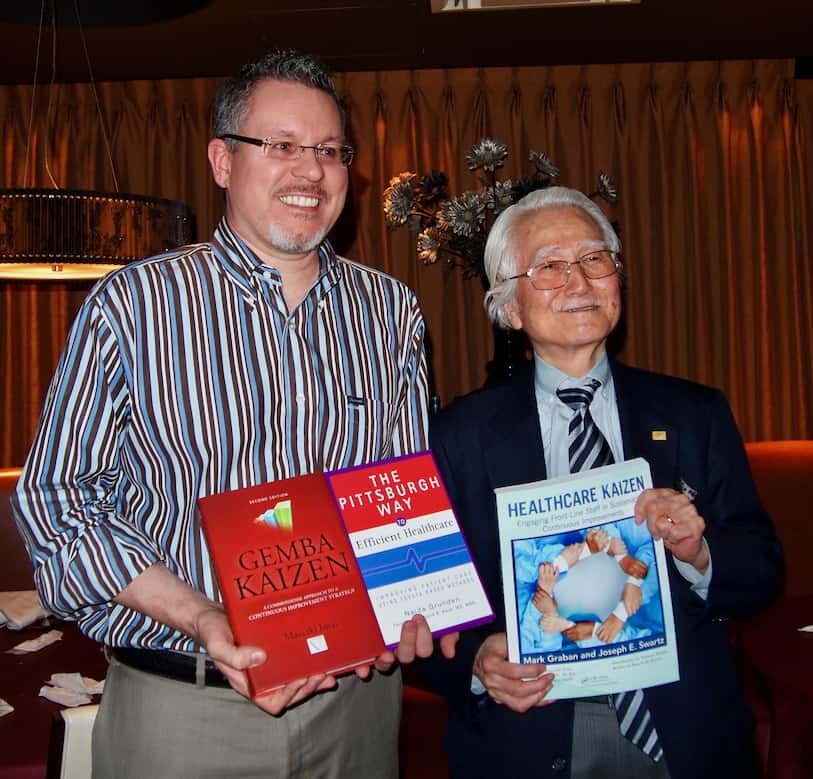
2012 — Seattle Event
Japan Tour 2012
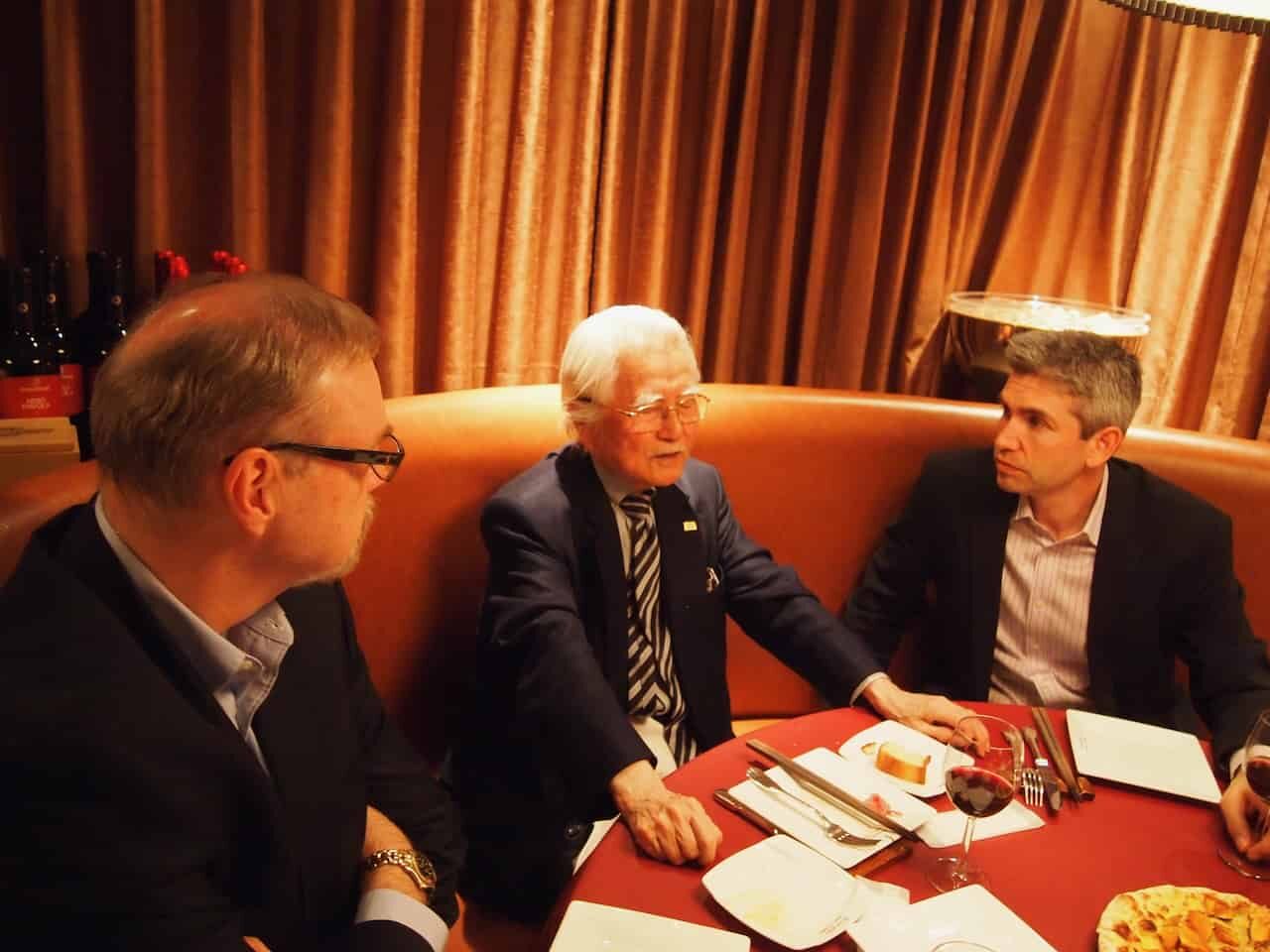
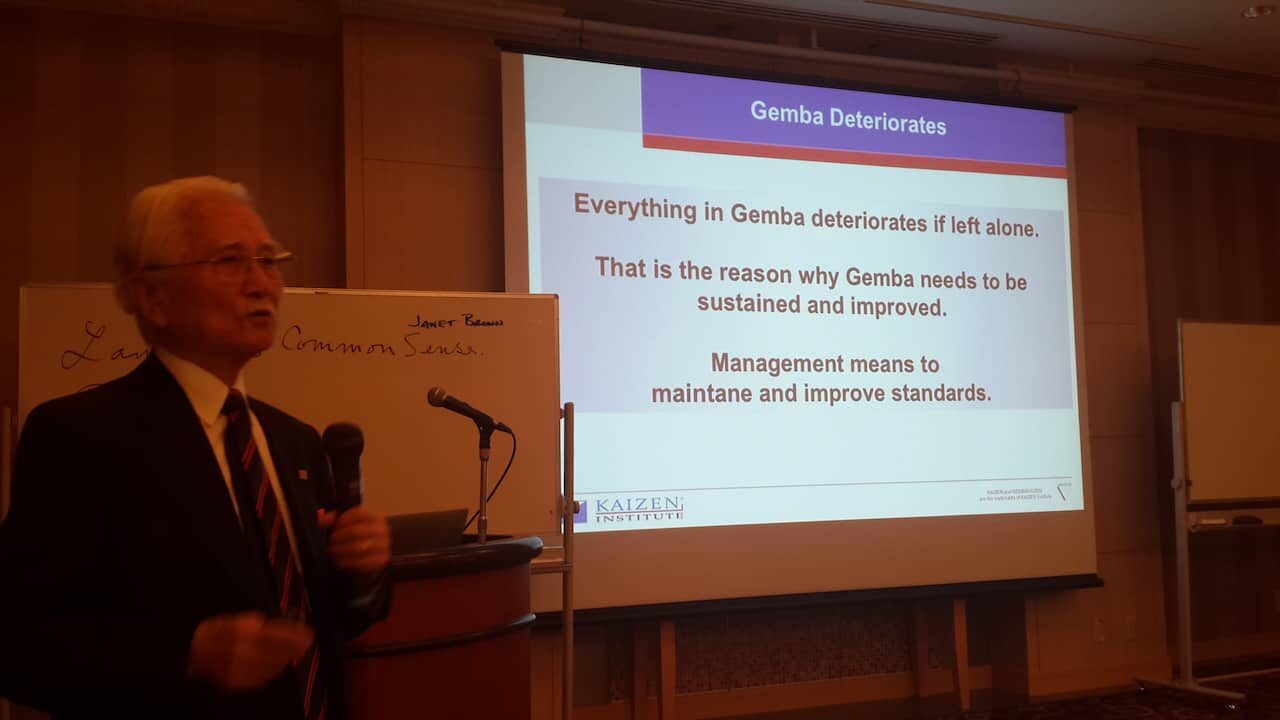
Japan Tour 2014
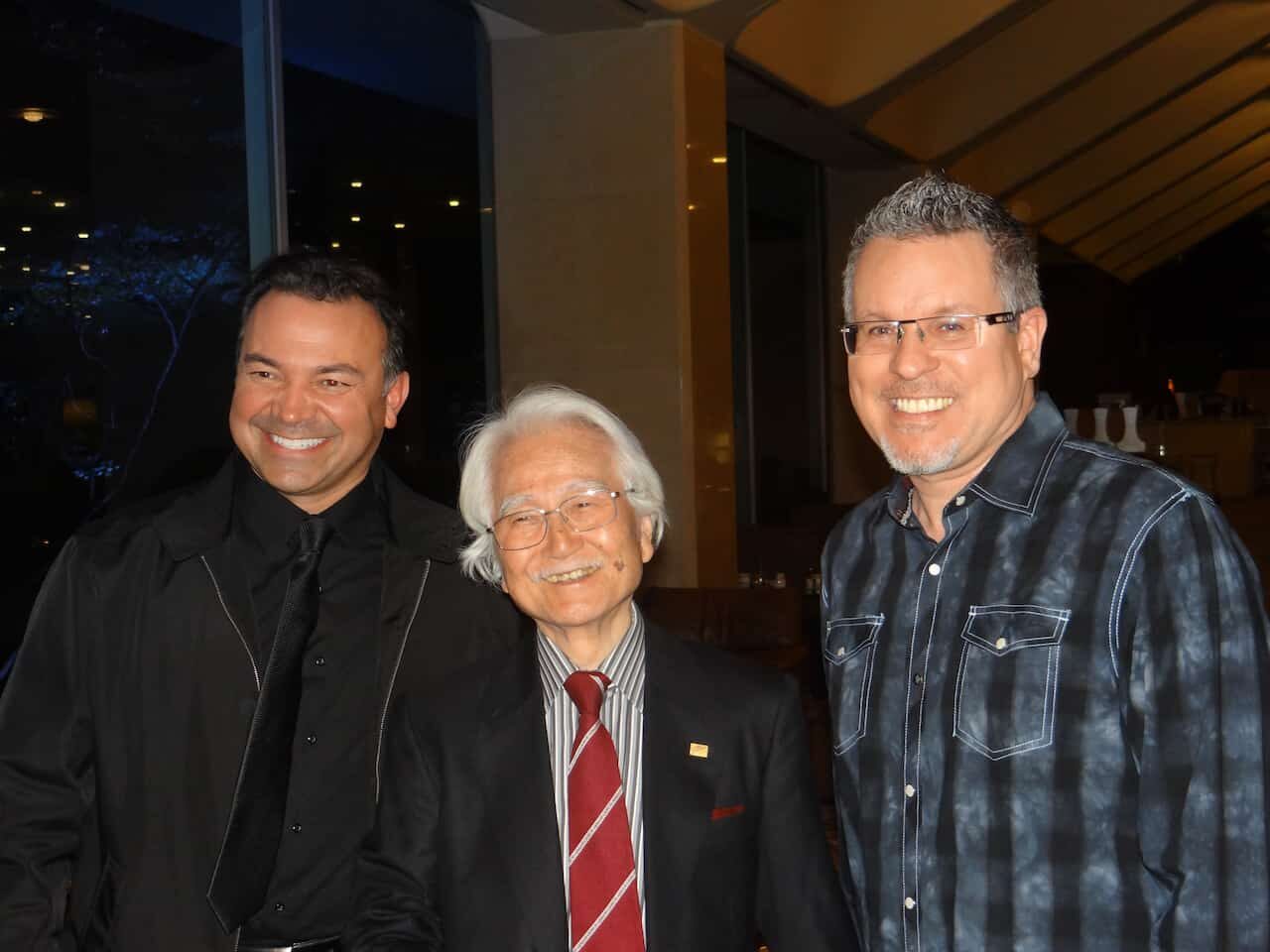
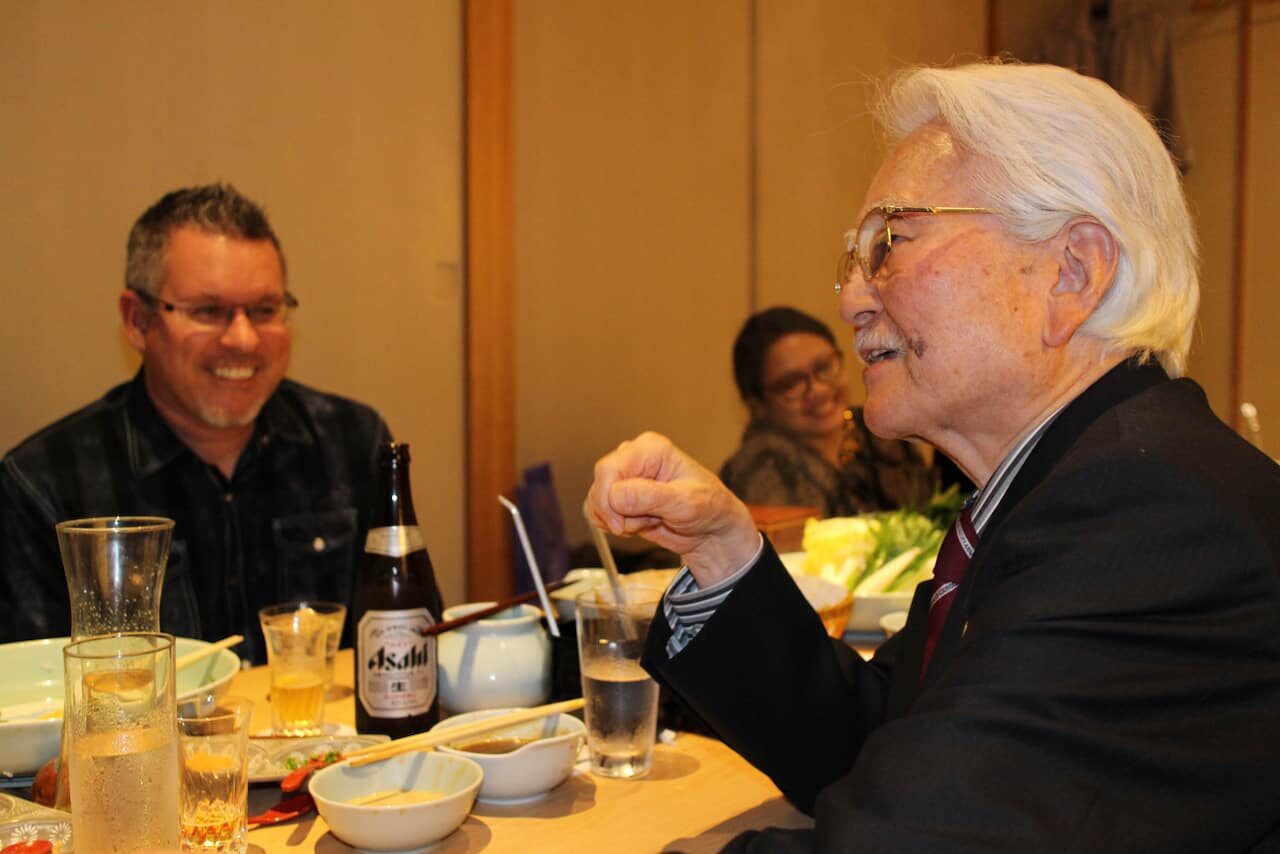
In this last photo, that may or may not have been the time I heard Mr. Imai tell a hilariously self-effacing version of an old joke. Again, imagine him telling this as I paraphrase it (and it's a dated joke in a few ways…)
A Moment of Humor and Humility
During the Iran revolution, four businessmen were taken captive and were about to be killed by the revolutionaries: An Englishman, a Frenchman, an American, and a Japanese man.
“You all get one final wish before we kill you!”
The Englishman says he wants to sing “God Save the Queen” one last time.
The Frenchman says he wants to have a cigarette and sing the French national anthem.
The Japanese businessman says, “I want to give one last lecture about Total Quality Management.”
The American stands up and says, “Well, if he wants to do that, my wish is that you kill me first so I don't have to listen to another lecture about Japanese management!”
Imai's Foreword to Healthcare Kaizen (2012)
One of the most personally meaningful aspects of writing Healthcare Kaizen with Joe Swartz was that Mr. Imai agreed to write the book's foreword. What follows is the full text. It reads, in retrospect, like a summary of what he had been teaching for over thirty years.
Foreword
By Masaaki Imai, Chairman, Kaizen Institute
In my book KAIZEN, The key to Japan's Competitive Success (McGraw-Hill, 1986), I ended with the following words:
“It is my sincere hope that we will be able to overcome our “primitive” state and that the Kaizen strategy will eventually find application not only in the business community, but also in all institutions and societies all over the world.”
Look over the last 25 years since its publication, I am profoundly frustrated with the slow pace at which Kaizen strategy has been embraced by the business community. On the other hand, I am encouraged to note that Kaizen is rapidly gaining momentum in the non-business institutions like healthcare, services, and government.
I believe that Kaizen is essentially a “human business.” Management must meet diversified requirements of its employees, customers, stakeholders, suppliers, and its community. In this sense, the healthcare profession can probably best benefit from Kaizen since its central task is people. I am honored to write a foreword to this book by Mark Graban and Joseph Swartz.
Taking this opportunity, I wish to mention a few reminders to successfully embrace the Kaizen strategy.
- Embracing Kaizen is a long-term journey. It is not a flavor of the month and requires the cultural change, commitment and self-discipline that needs to be sustained over many decades until they become routine business practices.
- Top management commitment is the only way to successfully embrace Kaizen, without which nothing else you do will matter.
- We need to approach our daily business in two phases: one is to maintain the status quo, in which the standard (the best way to do the job) is established and followed. This process is called maintenance and requires dedicated management effort to sustain it, but it is often overlooked or belittled.
The second phase is Kaizen, which means to find a better way and revise the current standard. Thus, to maintain and improve the standard becomes the main task of management.
- My definition of Lean is to employ minimum resources for the maximum benefits. Therefore, Kaizen leads to Lean and Lean leads to green. Kaizen is the most environmentally-friendly approach.
- Welcome problems. The more problems, the better, since we have more Kaizen opportunities. We only need to establish priorities in dealing with problems. When the problem is correctly identified, the project is halfway successful.
- One of the best ways to identify problems is to observe the flow of operations. In the medical institutions, there are many types of flows such as information, physical movement of patients and families, medicines and supplies. Wherever and whenever the flow is disrupted, there is a Kaizen opportunity. A majority of disruptions of the flow can be easily detected and solved with common sense and do not require sophisticated technologies.
- Remove the barriers between professionals and laymen.
I sincerely hope that you will find your Kaizen journey to be challenging, but most rewarding.
Remembering Masaaki Imai's Enduring Legacy
Imai's most influential idea — that improvement is everyone's job, every day, everywhere — is also his most ignored. Most organizations still treat continuous improvement as a project, a department, or a phase. Imai spent six decades arguing it was none of those things. It was a way of working.
The challenge for those of us who learned from him is not to honor him with words. It is to keep practicing what he taught. Everyone. Everywhere. Every day.
It was an honor to meet Mr. Imai, to learn from him, and to share a few meals with him in Japan. Thank you for everything.
Frequently Asked Questions
Masaaki Imai (1930-2023) was a Japanese management consultant who introduced the term “kaizen” — continuous improvement — to the Western business community through his 1986 book Kaizen: The Key to Japan's Competitive Success. He founded the Kaizen Institute in 1985 and spent his career teaching and consulting on continuous improvement practices across more than 100 countries.
No. The concept and practice predate Imai by decades, with roots in post-war Japanese manufacturing and earlier American influences (including Training Within Industry and the work of W. Edwards Deming). Imai's contribution was to define, name, and globally popularize what was happening in Japanese companies, particularly Toyota, in a form that Western business readers could understand and apply.
Imai himself addressed this in the foreword reproduced above: “My definition of Lean is to employ minimum resources for the maximum benefits. Therefore, Kaizen leads to Lean and Lean leads to green.” In practice, Lean is the broader management system (popularized by Womack, Jones, and Roos in The Machine That Changed the World, 1990); kaizen is the daily practice of continuous improvement within that system. Kaizen is to Lean what daily exercise is to fitness — the ongoing practice that produces the outcome.
Gemba is the Japanese word for “the actual place” — where work is done, where value is created, where problems can be observed firsthand. Gemba Kaizen was Imai's argument that improvement begins at the workplace, not in offices or conference rooms. Managers who don't visit gemba can't lead kaizen effectively, in his view.
Masaaki Imai died in June 2023 at the age of 92. The Kaizen Institute, which he founded in 1985, announced his passing.



 introduced "kaizen" to the world. Here's what he taught, why it still matters, and what it was like to meet him.)