

Five Years of Measures of Success: Lessons, Readers, and a Free Preview
This reflection marks the book's fifth print anniversary in March 2024. Sales figures, ratings, and screenshots below are historical snapshots, not current totals.
TL;DR: Five years after the print release of Measures of Success, the core lesson still holds: reacting less to data and understanding variation leads to better leadership decisions–yet many organizations still struggle to apply this thinking consistently.
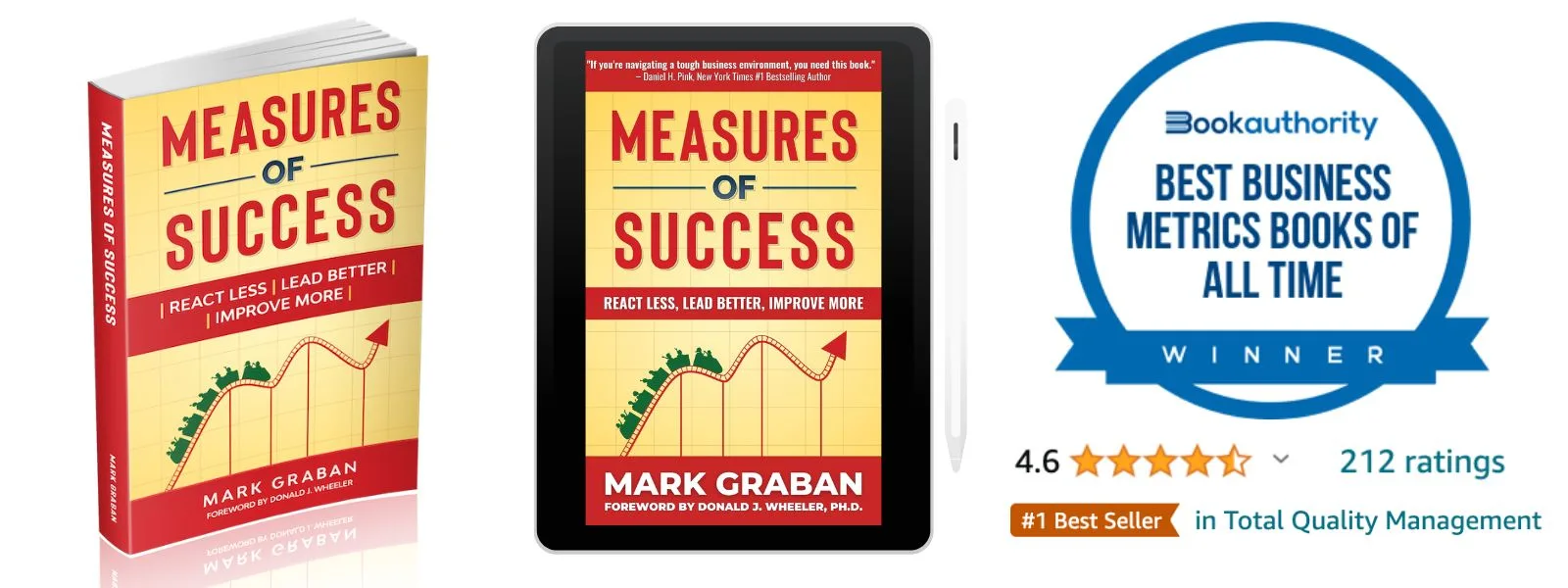
March 11, 2024 marked the fifth anniversary of the print release of my book Measures of Success: React Less, Lead Better, Improve More!! The book was originally released as a Kindle eBook in August, 2018 as a “small test of change” before I moved forward with the print edition. And this was after I originally released it on LeanPub.
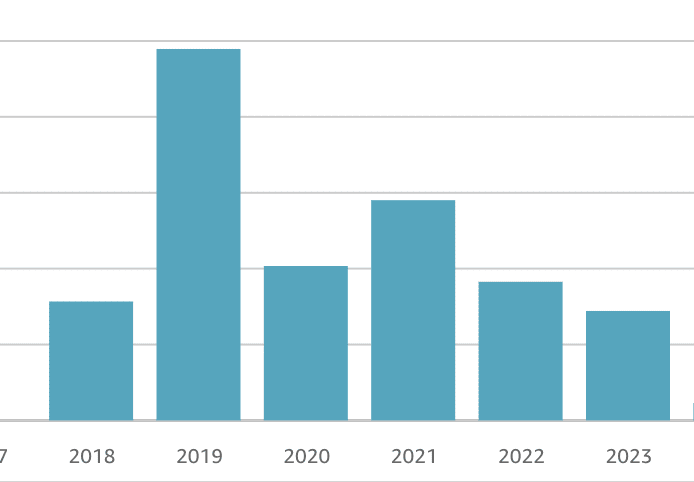
As of March 2024, the book had sold just under 6,000 copies across print editions and eBooks through Amazon, with 1,000 of those buyers being outside of the U.S. After the first year of the paperback being released, sales decreased but have held pretty steady since. The chart below shows both editions combined. And if you've read the book, you know it bugs me that this is a column chart and not a line chart below.
Thanks to everybody who kindly endorsed the book, including Eric Ries, Daniel Pink, Quint Studer, Zeynep Ton, Matthew May, and Karen Martin.
As Craig Deao said,
“I've long thought the world would be a better place if everyone took a statistics class; but this book is much better (and shorter)!”
At the time of this March 2024 post, the average Amazon rating was 4.6 out of 5.0, with 75% of them being 5-star ratings and reviews.

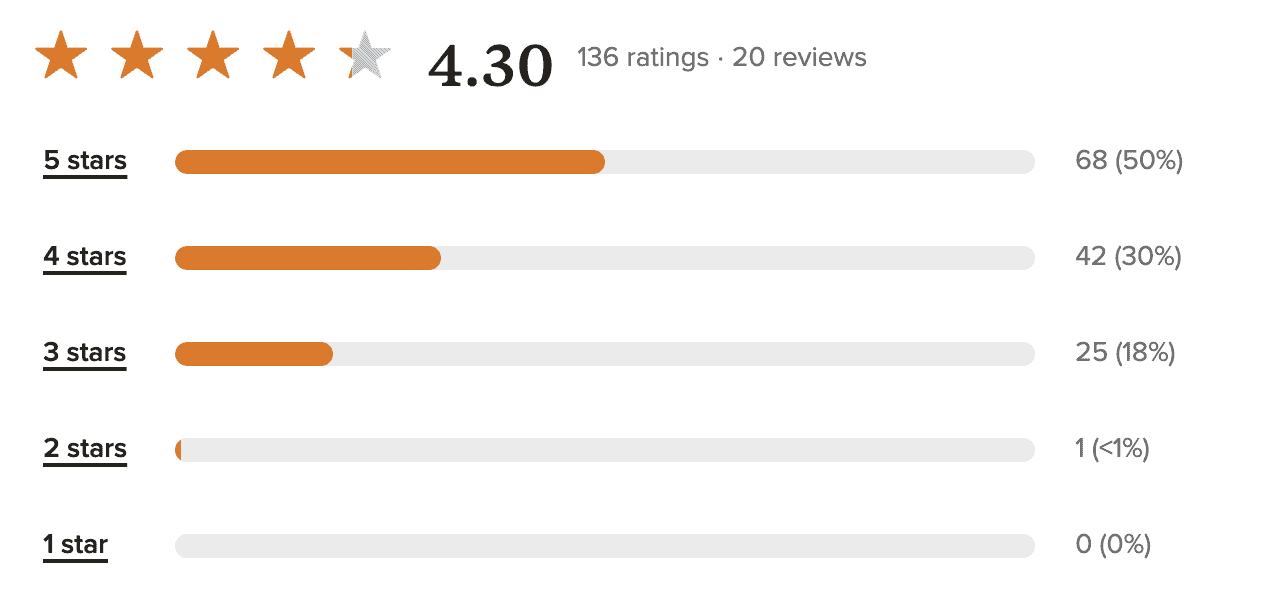
The March 2024 snapshot also showed a 4.3 rating on Goodreads
A sample is more useful than a promise
Reviews reflect different needs and expectations. The book is intended as a practical management guide, including for readers who have not studied statistics. A reader already fluent in Process Behavior Charts may be looking for something different.
Rather than ask you to rely on a rating, I encourage you to read the preview. Bring one metric you discuss regularly. Would understanding its variation change the questions you ask or the work you assign?
For a concise introduction, see my Measures of Success reader's guide. The book itself provides the detailed charts and examples; current editions and buying options are here.
If you have read the book, I would welcome a specific example of how it changed a decision or a conversation. If you want help putting it to work with your team, learn about workshops.





Join the discussion on LinkedIn: