
The Toyota Andon System in South Africa: Two Buttons Instead of a Cord
When the door from the office area opened onto the production floor at Toyota's plant in Durban, South Africa, I heard a familiar sound from other Toyota plants I've visited: the andon music. Earlier this month, before speaking at the KZN Lean Conference, I spent time at the plant learning how the Toyota andon system works there, and how it has changed. About a year ago, they replaced the overhead cords with buttons.
ALSO: Scroll down to the bottom of the post for safari photos!
The conference was organized and hosted by the Pietermaritzburg and Midlands Chamber of Business. Many thanks to Melanie Veness, the chamber's CEO, for inviting me to be part of a great event. I'll write separate posts about the conference itself.
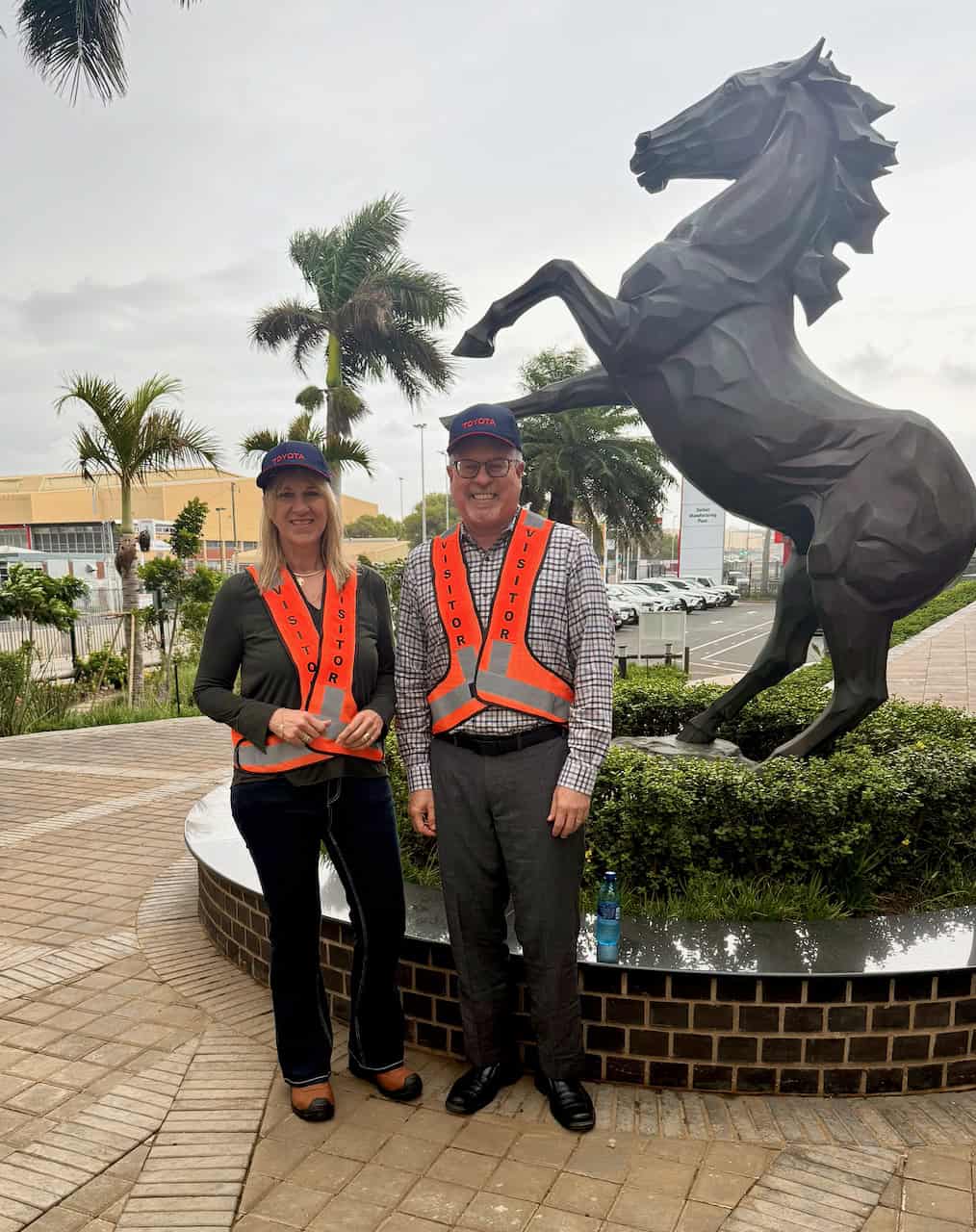
When Mel and I were planning the trip, I asked if a visit to the nearby Toyota plant might be possible. Toyota asked why I was interested, which was a fair question. I told them I didn't need the full end-to-end tour. I mainly wanted to learn how their andon system works and see how similar it was to other Toyota plants I've visited.
Toyota said yes, and they were very gracious hosts.
A short video version of this post:
A Little History of the Plant
Toyota's history in South Africa goes back to 1961, when businessman Albert Wessels got a permit to import ten Toyota Stout pickup trucks. Assembly of Toyota vehicles in Durban started in the early 1960s at a company called Motor Assemblies, which Toyota South Africa took majority control of in 1964. Toyota Motor Corporation became the full owner of Toyota South Africa Motors in 2009.
In a July 2026 release, Toyota South Africa Motors described Prospecton as the oldest Toyota factory outside of Japan (although some sources say that Toyota was assembling vehicles in Brazil before then).
The plant has been through a lot. In April 2022, floods put the site under as much as two meters of water, and about 4,000 new vehicles had to be scrapped. Production resumed later that year and Toyota's goal was to create a genba that was “better than before.”
This past July, the plant started building the ninth-generation Hilux.
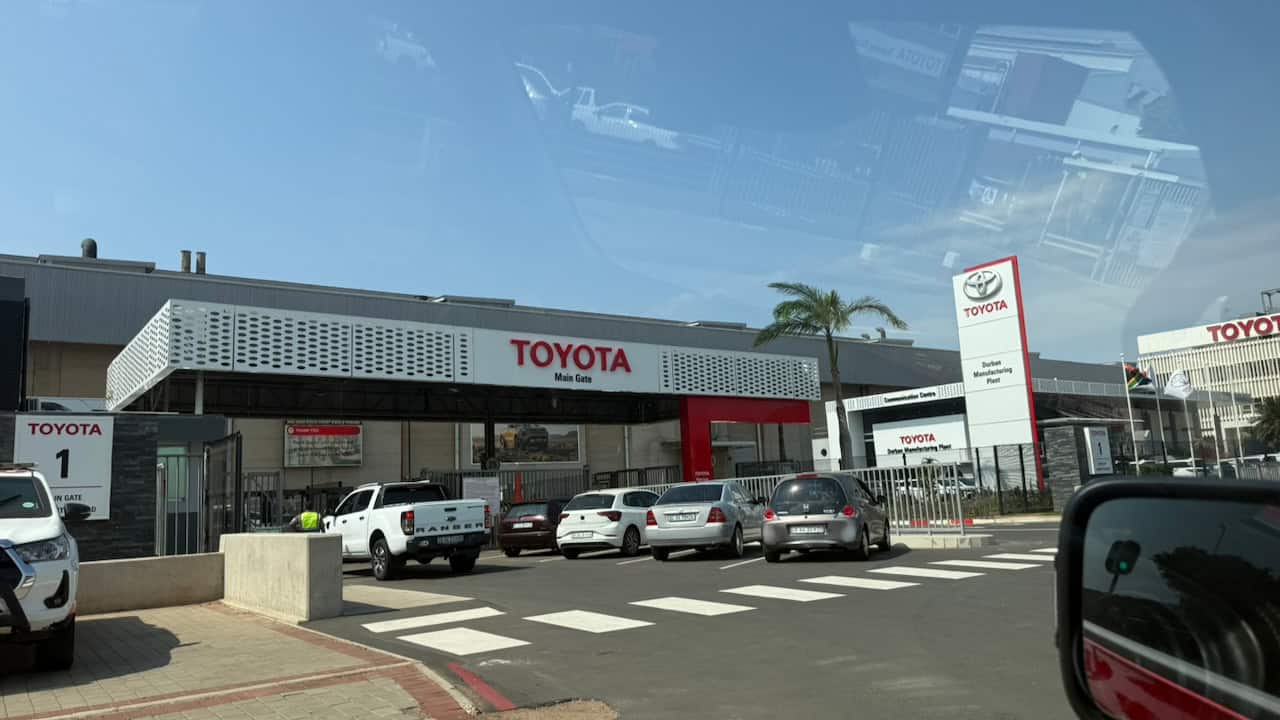
It Felt Like Toyota Before We Reached the Floor
Walking in from the parking area, the first things I noticed were the safety signs and reminders. No hands in pockets while walking. No phone use while walking. Stop and point before crossing an aisle.
Signs alone don't create safety. What leaders do day after day matters more. But the walking rules and the reminders were very familiar. The office areas were familiar too, with bullpen-style offices and obeya rooms out on the floor.
Watching One Station
Instead of a tram tour, we walked out to part of body assembly and stood at one station for a while, watching everything that happened there.
The station was on a truck and SUV body line. Because of low volumes on that line, the takt time was six minutes. For comparison, they said the Corolla line runs at a 99-second takt time. A high-volume Toyota assembly line in the U.S. might run closer to one minute.
A six-minute cycle is a lot of work content for one station. It also gives you time to watch what happens when something goes wrong. While we were there, a team member activated the andon. The team leader was there within seconds. Maintenance was called and showed up quickly after that–maybe within a minute.
That's the part of the andon system that doesn't show up in a photo of a cord or a button. The signal only matters if someone comes to help.
Why the Toyota Andon System Moved From Cords to Buttons
About a year ago, the plant switched from overhead andon cords to buttons. Toyota has been making this change for a while. It started at a plant in Toyota City in 2013, and I wrote about the move to buttons back in 2014. This was my first chance to see the buttons in use and hear directly why the team there prefers them. They gave two reasons.
First, there are two buttons with two different meanings. The yellow button calls for help–that's the one used most often. The red button stops the line immediately, for something like a safety issue. In the traditional setup, pulling the cord calls the team leader, and the line stops at the next fixed position if the problem isn't resolved. I wrote more about how that works in this 2024 post.
I think the two-button design is a smart choice. When something is unsafe, a team member doesn't have to walk to a separate safety stop button or pull. Asking for help and stopping the line right away are separate requests, and both are within easy reach.
Second, you don't have to reach overhead. That made me chuckle, because it's a problem most plants would never have. If the andon only gets used a couple of times a week, nobody's shoulders are going to suffer. At Toyota, reaching up to pull a cord many times a shift, day after day, could become an ergonomics risk. Getting people to speak up created a new problem. So they solved that one too.
How Many Pulls Is the Right Number?
They track how many andon activations happen each day. For the area we were discussing, they said activations average about 90 to 100 a day.
One of my hosts said, with a smile, that zero would be nice but it's very unlikely. When I visited a Toyota Material Handling plant in Indiana a few years back, a leader there said zero andon pulls in a day would prompt them to ask, “What's gone wrong?” (culturally) instead of celebrating.
Fewer problems would be good. Fewer andon pulls could mean fewer problems, or it could mean people stopped pressing the button. If leaders set a target to reduce activations, the easiest way to hit it is to stop signaling problems. The problems don't go away. Leaders just hear about fewer of them. In 2007, the BBC reported that workers at a new Ford truck plant in Dearborn were pulling the andon cord about twice a week, compared to roughly 2,000 times a week at Toyota's plant in Georgetown, Kentucky. I wrote about that contrast here. Ford had the cords. The pulls didn't follow.
The Toyota people also described what happens when problems show up downstream. If the same part problem happens roughly three to five times, they'll send a vehicle to a quality control area. As I understood it, a team member might be able to work around the problem temporarily, but Toyota traces it back to the supplier. They don't want constant workarounds and they'd rather solve the root of the issue than to be pulling the cord constantly.
And if final assembly sees an increase in defects, they trace it back to the station and the team member to understand why the andon wasn't used. Some people might hear that as blame. The way it was described to me, the point was understanding. I'd want to know whether the defect was hard to see at that station, or whether something made the team member hesitant to press the button. Those lead to very different countermeasures.
New team members start in a training dojo. My hosts said new employees will do what they see other employees do, and using the andon is one example. That's a practical point about culture. New people learn what's really expected by watching the people around them. Seeing experienced team members press the button and get help makes it more likely that they'll do the same. If they see people working around problems, they'll learn that instead.
The Suggestion System Is for Completed Kaizens
The other thing I asked about was their suggestion system. At the plant, the suggestion box that I saw is for submitting improvements that team members have already implemented. It's not a place to drop ideas and hope that somebody evaluates them. Team members get paid based on the value of the kaizen.
That's similar to the “Quick and Easy Kaizen” approach that Joe Swartz and I wrote about in Healthcare Kaizen, which we learned from Norman Bodek and Bunji Tozawa. Find a problem, make the improvement, and then write it up so others can see it and learn from it.
A traditional suggestion box tends to create a backlog, and a backlog of ideas that go nowhere teaches people to stop submitting them. Asking for completed improvements puts the emphasis on doing the work, with the team leader supporting it.
I didn't get into the details of how they calculate value. I'd be curious how they handle small improvements that make the work easier or safer but don't have an obvious financial value.
They also have quality circles, and the best QC projects get recognition and exposure across the organization. My hosts talked about the Toyota Way and its two pillars, respect for people and continuous improvement, and the suggestion system and quality circles are pretty clear examples of both.
The Buttons Are the Easy Part
Any company can buy andon buttons, lights, and music. Ford had cords installed in Dearborn. What made the Durban plant feel like Toyota was everything around the buttons: a team leader who arrived quickly, a daily count that prompted a conversation about what zero would mean, and new team members who learn to ask for help by watching the people next to them do it.
Other than the switch to buttons, it looked and sounded very familiar.
If your organization has its own version of an andon, whether it's a button, a phone number, or a huddle board, what happens in the first minute after someone uses it?
Safari Photos Enabled by Toyota
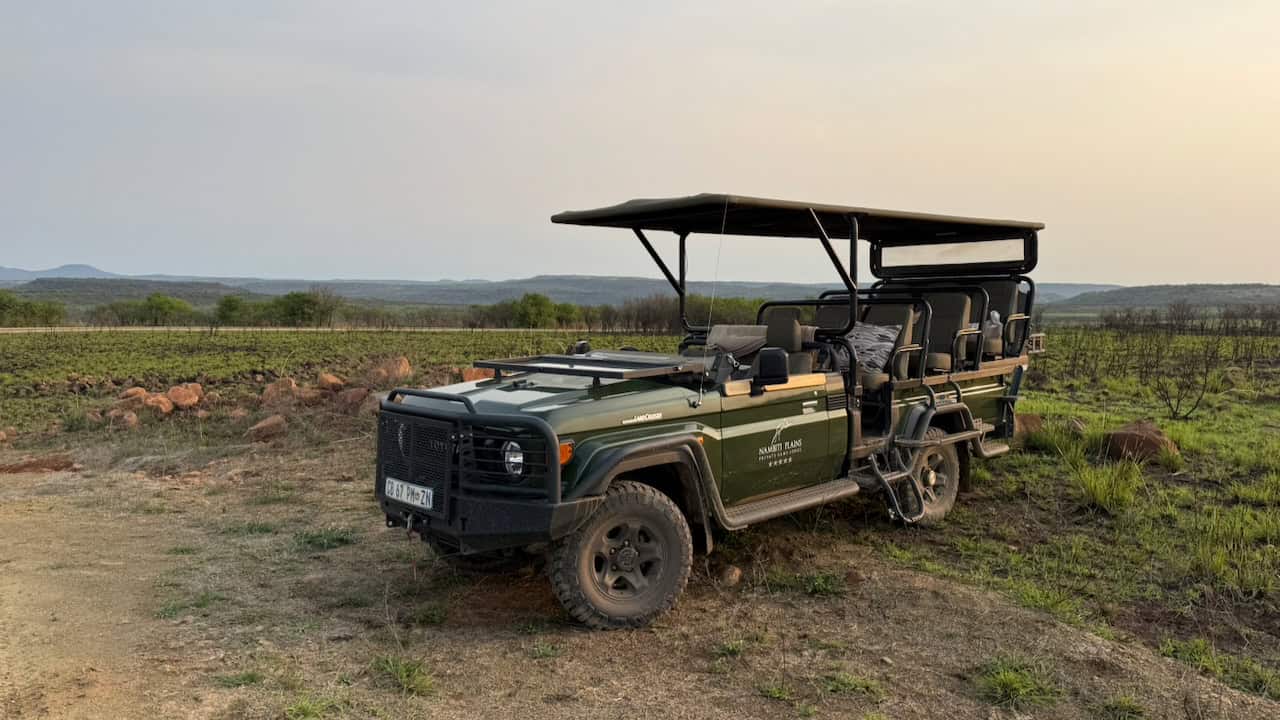
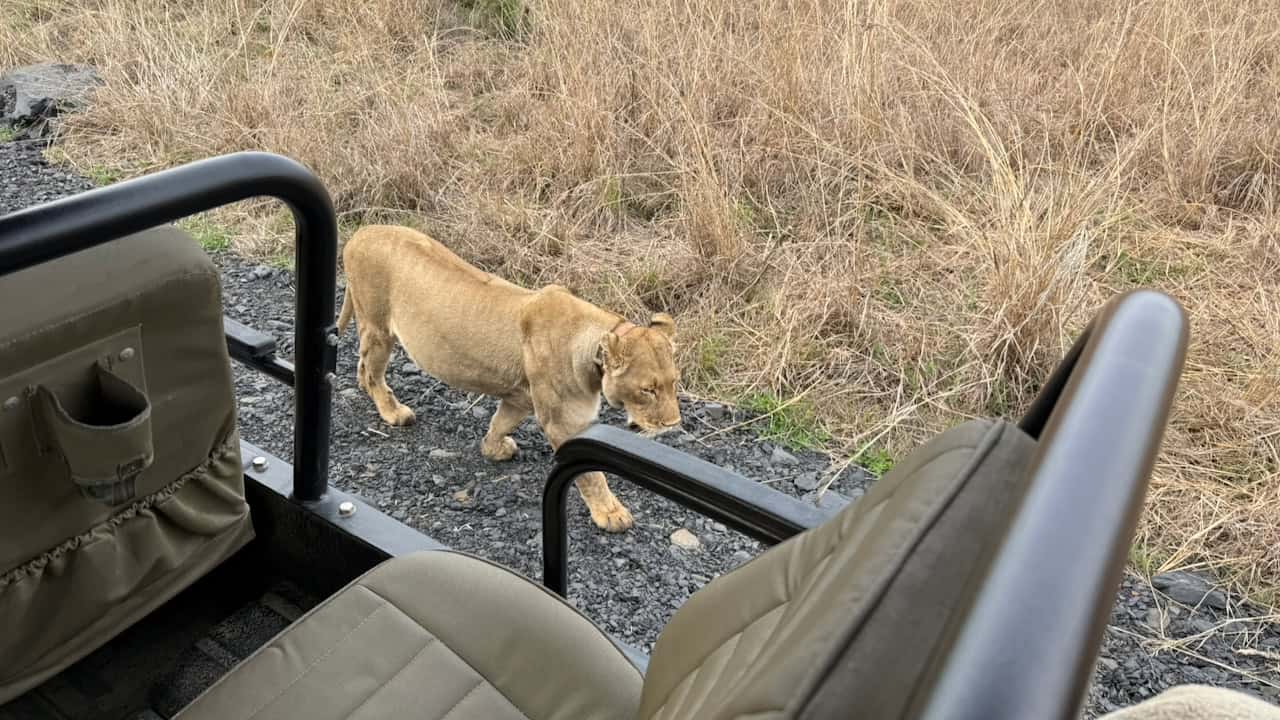
After the conference, I had the incredible opportunity to be a tourist before the long trip home. I was able to visit a safari reserve, and these photos were enabled by a modified Toyota Land Cruiser that was driven by our excellent guide.
Enjoy some photos: