Why and How This Pizza Restaurant Owner Engages People Through Kaizen

A culture of continuous improvement is really powerful - in a pizza restaurant or any type of workplace. It engages Milennials and people from other generations too...
Leadership isn’t about titles, charisma, or quick decisions—it’s about creating systems where people can do their best work and continuously improve. This archive brings together blog posts, podcasts, and reflections on leadership through a Lean lens, drawing on ideas from Deming, Toyota, healthcare, and real-world management practice. The common theme: leaders shape culture, influence behavior, and own the systems that produce results—for better or worse.
A culture of continuous improvement is really powerful - in a pizza restaurant or any type of workplace. It engages Milennials and people from other generations too...
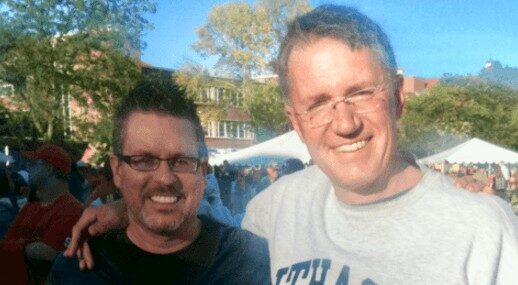
What are the parallels between the mindsets and approach of a world-class university band director and our mindsets in Lean, Kaizen, and continuous improvement, in healthcare or beyond?

Joining me for Episode #281 of the podcast is Julie Firman, DNP, RN, FACHE, the Vice President/ System Chief Nursing Officer (CNO) at Southern Illinois Healthcare.

Today's reader question comes from somebody who has been put in the position of what I call "the lone wolf" in a health system. This happens a lot. A health system hires or designates one person to be "the Lean change agent." It doesn't matter how amazing and/or experienced this individual is... I'd very skeptical about the organization's Lean journey.
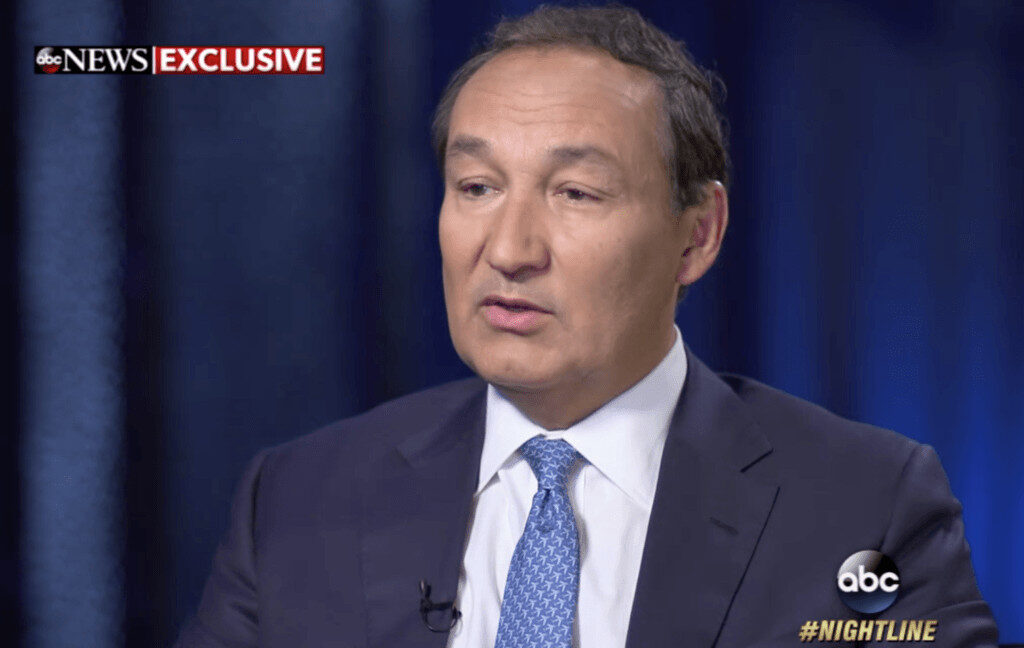
It's good that United's CEO has taken responsibility for system problems. It's great that they are changing some policies. But why does he say they don't have a culture problem if employees aren't empowered? That sounds like "culture" and a "problem" to me.

The mistakes at The Oscars were trivial and unimportant in the grand scheme of things. What are some lessons learned that apply to improving healthcare supply chains?

One of the highlights of my podcasting adventures was the opportunity to interview Paul H. O'Neill back in 2011. The original episode was posted here as #124 in the series. This post a summary of our discussion.
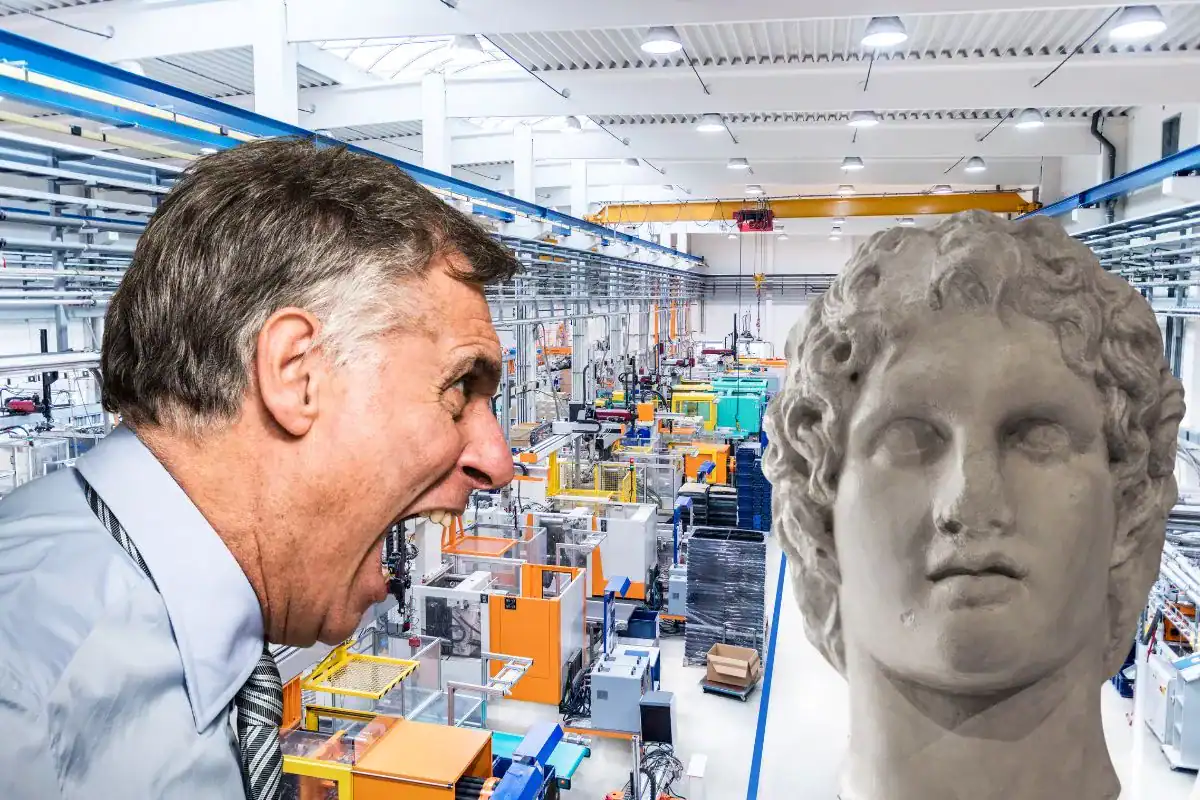
When did the term "concrete head" start getting thrown around in Lean circles? Do people still use this label today? Is it helpful? Should we agree that the term is disrespectful and counter productive?

As part of my partnership with Cardinal Health, they have published an article that I wrote on their "Essential Insights" blog: "Changing how we think about change: How healthcare leaders can create a progressive culture"
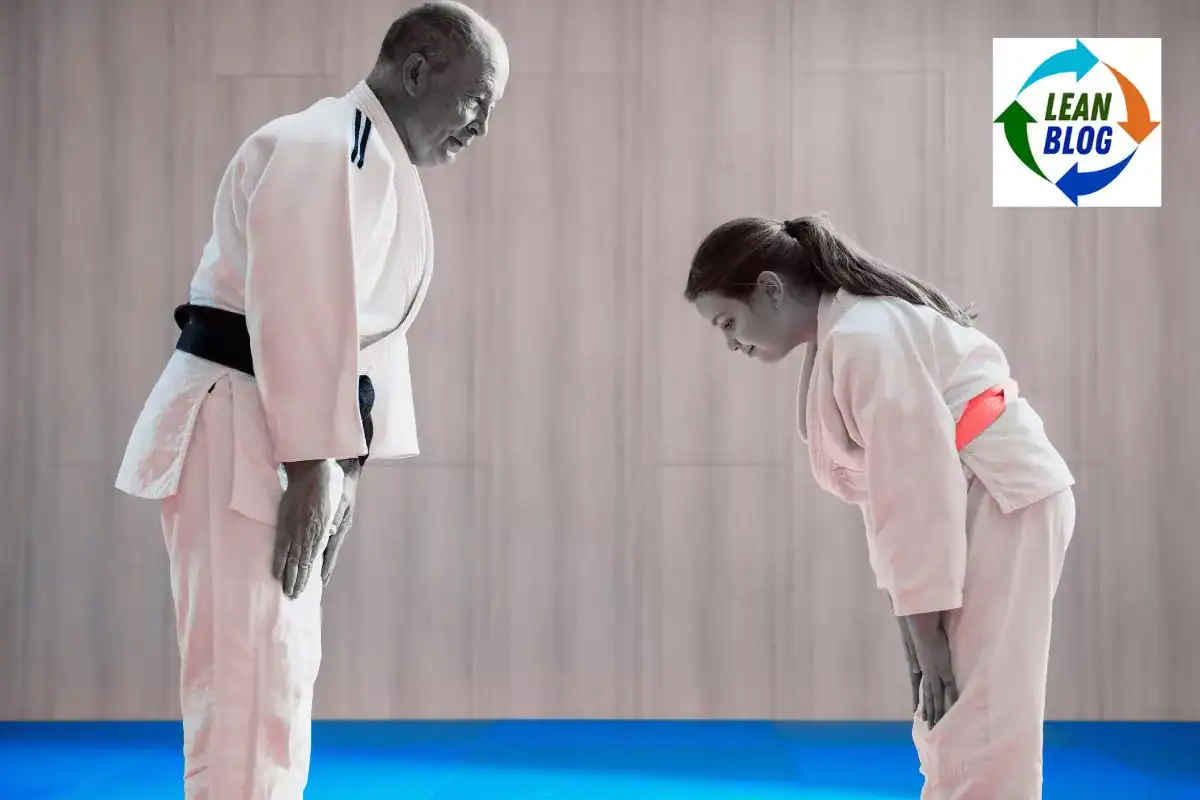
Six Sigma and Lean Sigma has "belts." Some people in Lean call themselves a "sensei." Is that really appropriate? The term is supposed to be situational... it's a term of respect one chooses to use for another person...
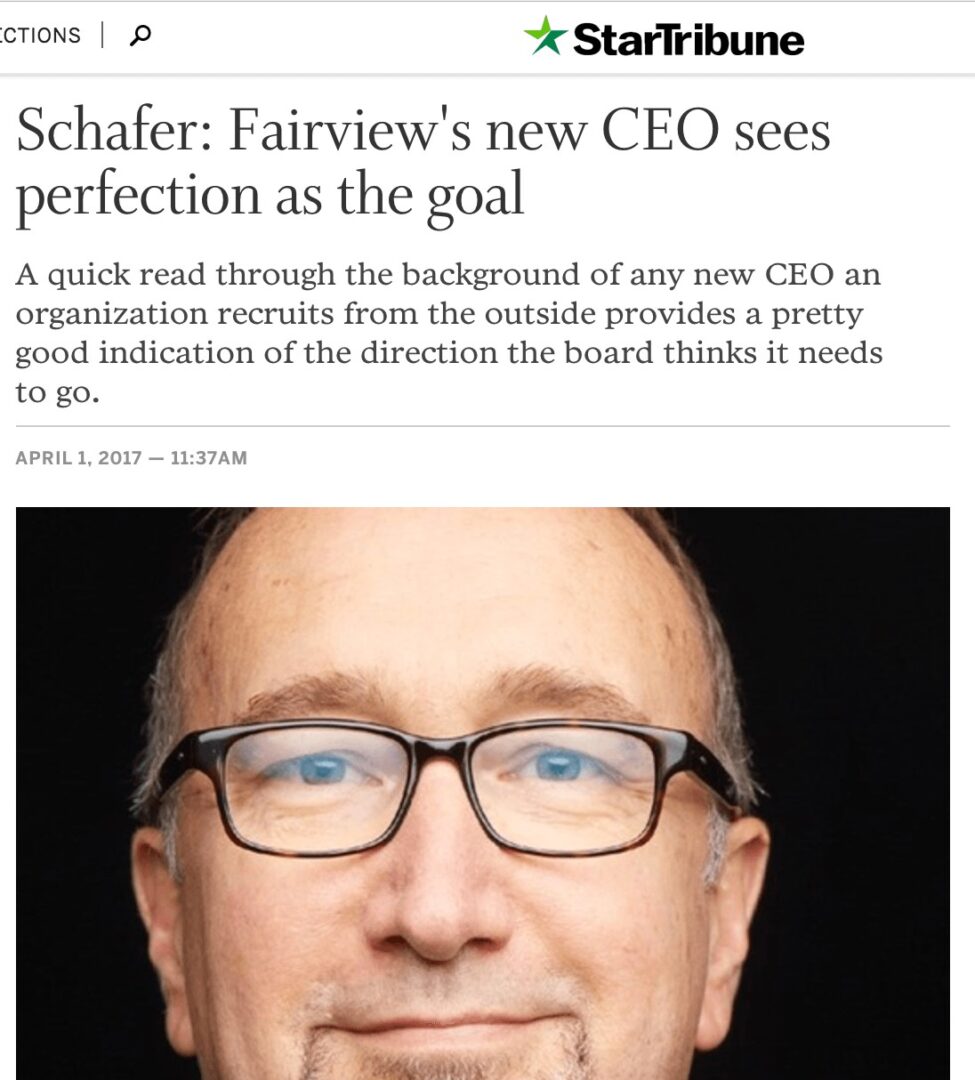
In today's post, I write about James Hereford, a Lean thinker and leader who is now CEO of Fairview Health Services in Minnesota. I share some links to and highlights from a past podcast with him and other blog posts with his thoughts.

I was at an organization recently where one of the relatively senior leaders kept using a curious phrase that made my ears perk up. The senior executives were continually being referred to as "the decision makers." Why can't everybody be a decision maker?