TWI and Kata: Coaching Skills That Make Continuous Improvement Stick
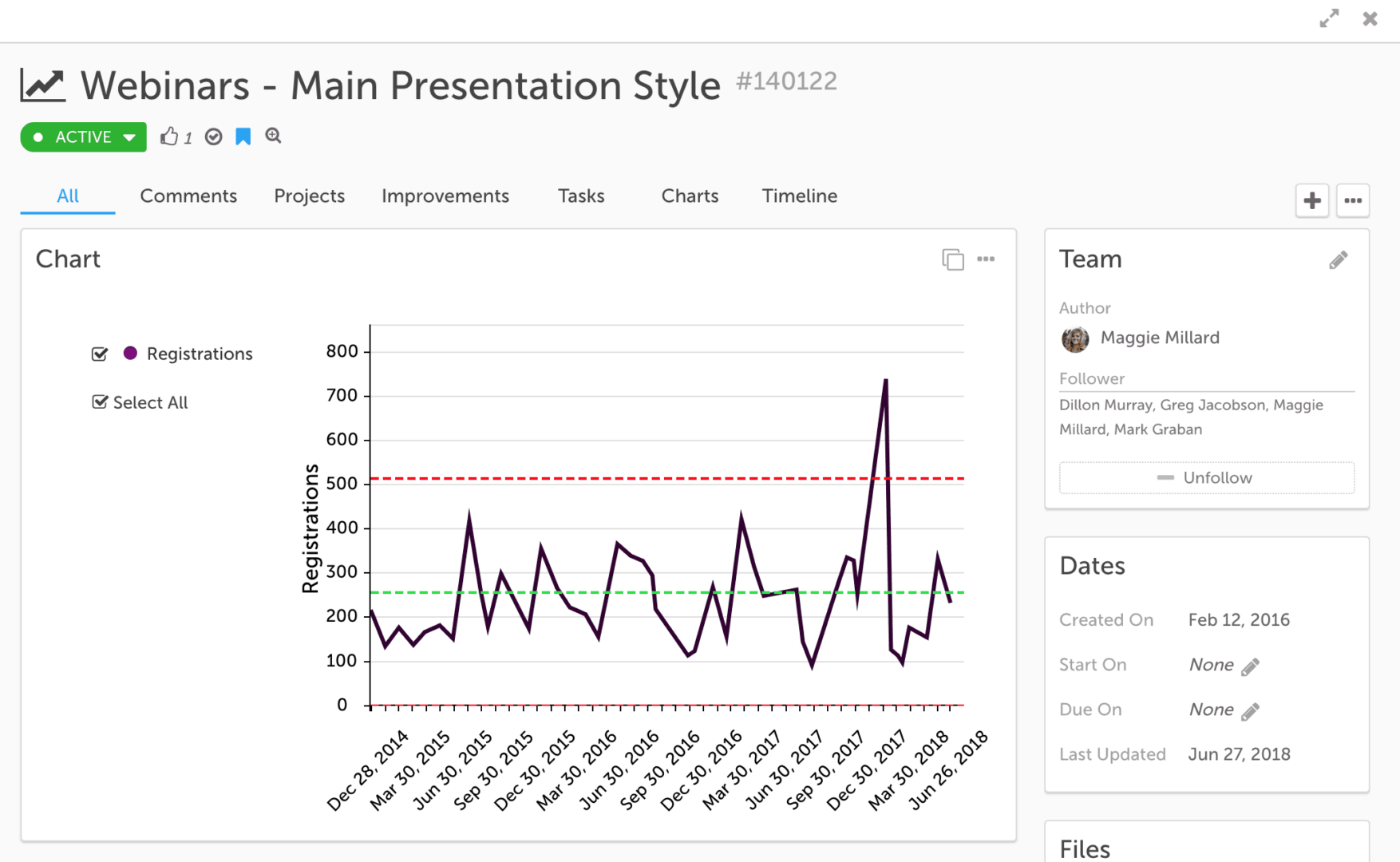
Here is a recorded webinar...
I played host (along with KaiNexus) for this webinar that was held Tuesday, August 14 at 1 pm ET.

Here is a recorded webinar...
I played host (along with KaiNexus) for this webinar that was held Tuesday, August 14 at 1 pm ET.
Here's a reprieve from posts about my new book Measures of Success: React Less, Lead Better, Improve More. Although I will mention that the book should be available very soon in the Apple iBooks store. And today's post is on themes from the book.
Unfortunately, I've had two trips to the emergency room within the past year, due to stomach flu problems. Or, it was possible food poisoning. In cases like these, the doctors aren't really worried about the exact root cause, because the treatment is the same either way. They're treating symptoms.
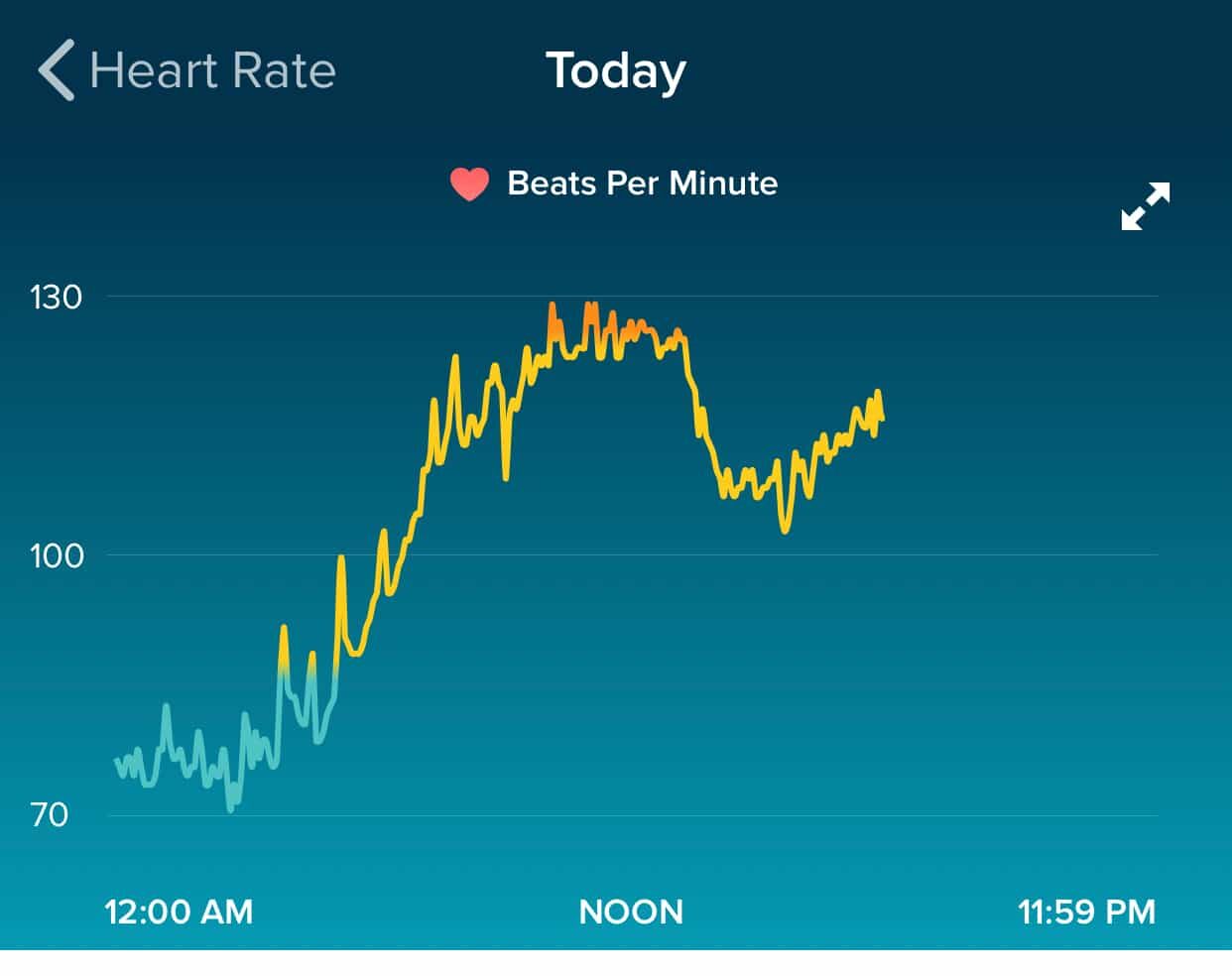
Last Wednesday morning, I woke up early and I was sick. Stomach issues. Fever. I noticed on my Fitbit that my heart rate was elevated above normal levels. I was working from home that day, so I stayed in bed, slept, and rested. I wasn't really able to eat anything and it was hard to get liquids down...

I’m happy to announce that my latest book, Measures of Success: React Less, Lead Better, Improve More, is completed! That means I was able to release it in the Amazon Kindle Store, which is probably the easiest way for most people…

Here is a chart from a team in San Antonio, where I teach a class on Lean for quality and patient safety twice a year. This team was basically using the “A3” improvement methodology to look at a problem that really impacted patients. My understanding is that a contaminated blood culture bottle leads to false positive results that indicate that a patient has a bloodstream infection when they really don't.
This article was sent by a friend and blog reader from Winnipeg the other day:
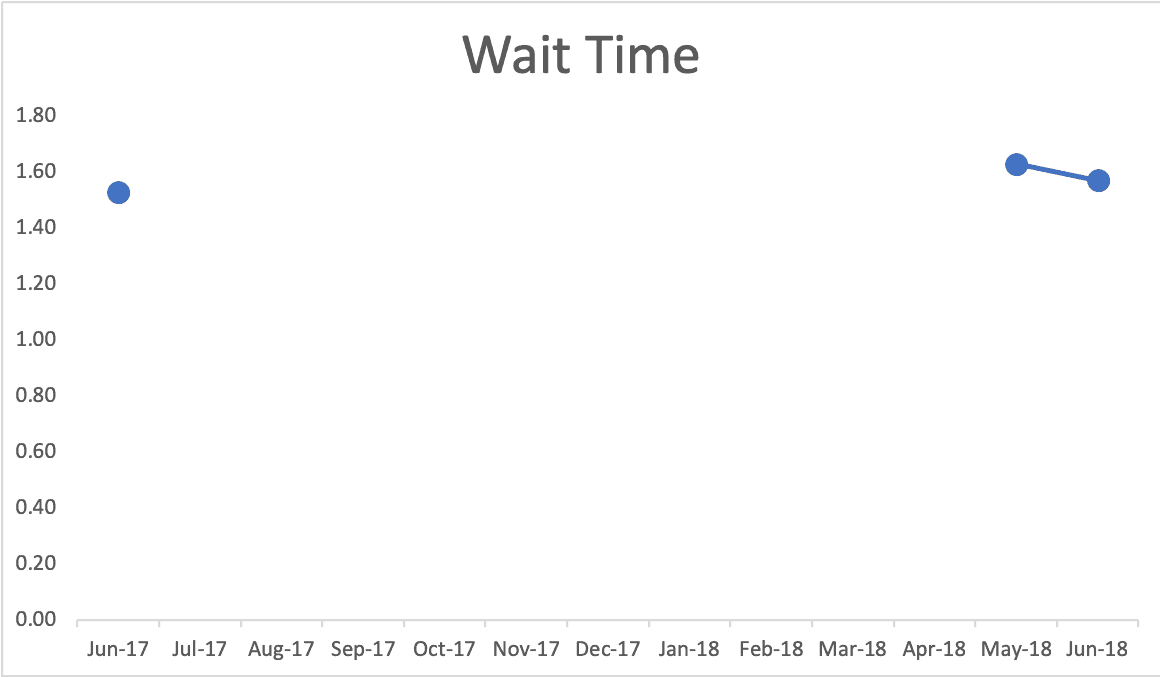
"ER wait times down, but only slightly"
Oh good, the waiting times are down. But what does "only slightly" mean? Have ER wait times gone down in a meaningful way? Or are they just comparing two data points? Is this "down" a matter a signal or is it just noise in the system?
These are the types of questions that can be answered by methods in my new book Measures of Success: React Less, Lead Better, Improve More.
Today's post is some material that I wrote for my book Measures of Success but cut due to length. I've modified the material a bit to hopefully be fine as a standalone post.
There's a somewhat humorous, if not scary, story from a book (This is Going to Hurt) written by a former "junior doctor" in the British National Health Services (NHS) -- the equivalent of a "resident" in the American medical education system.

Here is the recording of the webinar I told you about recently, with themes from my book Measures of Success.
What is "management by emoji?"

Here is my latest article that I published on LinkedIn:
Is the Reported Drop in Major League Baseball Attendance a "Signal" or "Noise" in the Data?

I'm still working on my book Measures of Success, as I've mentioned here a few times.
The partial "in-progress" book is available through LeanPub.com. Or, when it's done, it will also be available through the Amazon Kindle bookstore and I will probably also produce a paperback version.
My goal is to have the book done by the Lean Healthcare Transformation Summit in mid-June (hope to see you there at the Summit and/or my workshop on these topics).
Here is a recorded webinar that I did for my friend Mike Stoecklein and his organization, the Institute for Excellence (IEX).
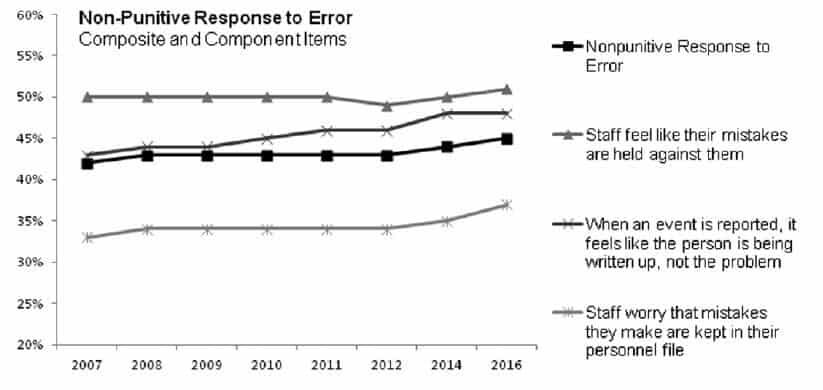
For a long time, I've been an advocate for the parallels between Lean and an approach called "Just Culture." See previous blog posts on this topic. Here's a good overview of Just Culture, which says, in part:
"A just culture recognizes that individual practitioners should not be held accountable for system failings over which they have no control. A just culture also recognizes that many individual or active errors represent predictable interactions between human operators and the system in which they work.
However, in contrast to a culture that touts no blame as its governing principle, a just culture does not tolerate conscious disregard of clear risks to patients or gross misconduct, such as falsifying a record, performing professional duties while intoxicated, etc."

I'll be teaching my "Better Metrics" workshop (aka "Measures of Success," ala my book) twice in June:
Cambridge Investments - Open for Public Registration (Fairfield, Iowa) -- June 5
Lean Healthcare Transformation Summit (Chicago) -- June 13
After facilitating the Red Bead Experiment in the workshop, one other way I've found to simulate variation is an online simulation that's available, of all places, on the BBC website:
"Can chance make you a killer?"
Last week, I wrote Part 1 of this piece about TQM and "Small Kaizen" at a Japanese Hospital pharmacy.
The hospital was happy that employees were participating in their "Small Kaizen" process, but there was a month in which they saw the number of submitted Kaizens drop, from about 138 to 58 or so.
As I write about in Measures of Success, two data points usually don't make a trend.