How Toyota Teaches TQM and Continuous Improvement in Japanese Hospitals

In the third and final part of this series, I share more about how Toyota teaches about TPS and TQM... and how they are sharing that approach with doctors and hospitals.
In the third and final part of this series, I share more about how Toyota teaches about TPS and TQM... and how they are sharing that approach with doctors and hospitals.

You might remember my blog post from May about the Shohei Ohtani, a Japanese player for the Los Angeles Angels of Anaheim (that's not a very "lean" team name, is it").
I suggested that Norman Bodek contact baseball or sports writers at publications like ESPN or The Wall Street Journal. The Journal wrote about Ohtani and Harada last week:
How Shohei Ohtani Visualized His Baseball Success
The Japanese two-way sensation turned to a personal-growth technique called the Harada Method to help him achieve his goals

If you're not a baseball fan, I apologize for a second baseball-themed post this week. Baseball has a lot of historical time-series data to work with and analyze. If you're not interested in "Process Behavior Charts" or similar methods, I guess I will apologize for this post again too. Next, I'll be apologizing for apologizing.
But, I am at Dr. Wheeler's four-day workshop on "Understanding Statistical Process Control" as I blogged about on Monday.
It's great to learn from Dr. Wheeler in person and I'll be sharing reflections on the class in a later post (and I'm posting a few things on LinkedIn along the way).
In Chapter 1 of Understanding Variation, Dr. Wheeler points out how charts or graphs are far superior to tables or lists of numbers. He uses a baseball example:

I'm very excited to be leaving for Japan for another study trip in just over a month. This will be my second trip this year, this time with Honsha, after previous (and hopefully future) trips organized by Kaizen Institute.
Even though the previous tours have been focused on Toyota, as well as Lean and Kaizen in various organizations, one common thread is Total Quality Management, or TQM. In many Japanese organizations, TQM has been a solid foundation of practice for two or three decades, where it tended to be a fad here in the U.S., as I've blogged about:

Why do people fear change? Why are adults afraid of talking about their fears? My guest today is eminently qualified to answer such questions and to provide advice that can help us. My guest for Episode #315 is Robert Maurer, Ph.D., author of the outstanding book Mastering Fear.
Bob was previously my guest for Episode #153, where we discussed one of his earlier books on Kaizen, One Small Step Can Change Your Life: The Kaizen Way. By the way, earlier this year I noticed that his other book The Spirit of Kaizen was one of the few books by an American author that Toyota was selling at the Toyota Commemorative Museum of Industry and Technology in Nagoya (see photo below).
I hope you enjoy today's discussion on Mastering Fear. As the subtitle says, can we "harness emotion to achieve excellence in health, work, and relationships"?
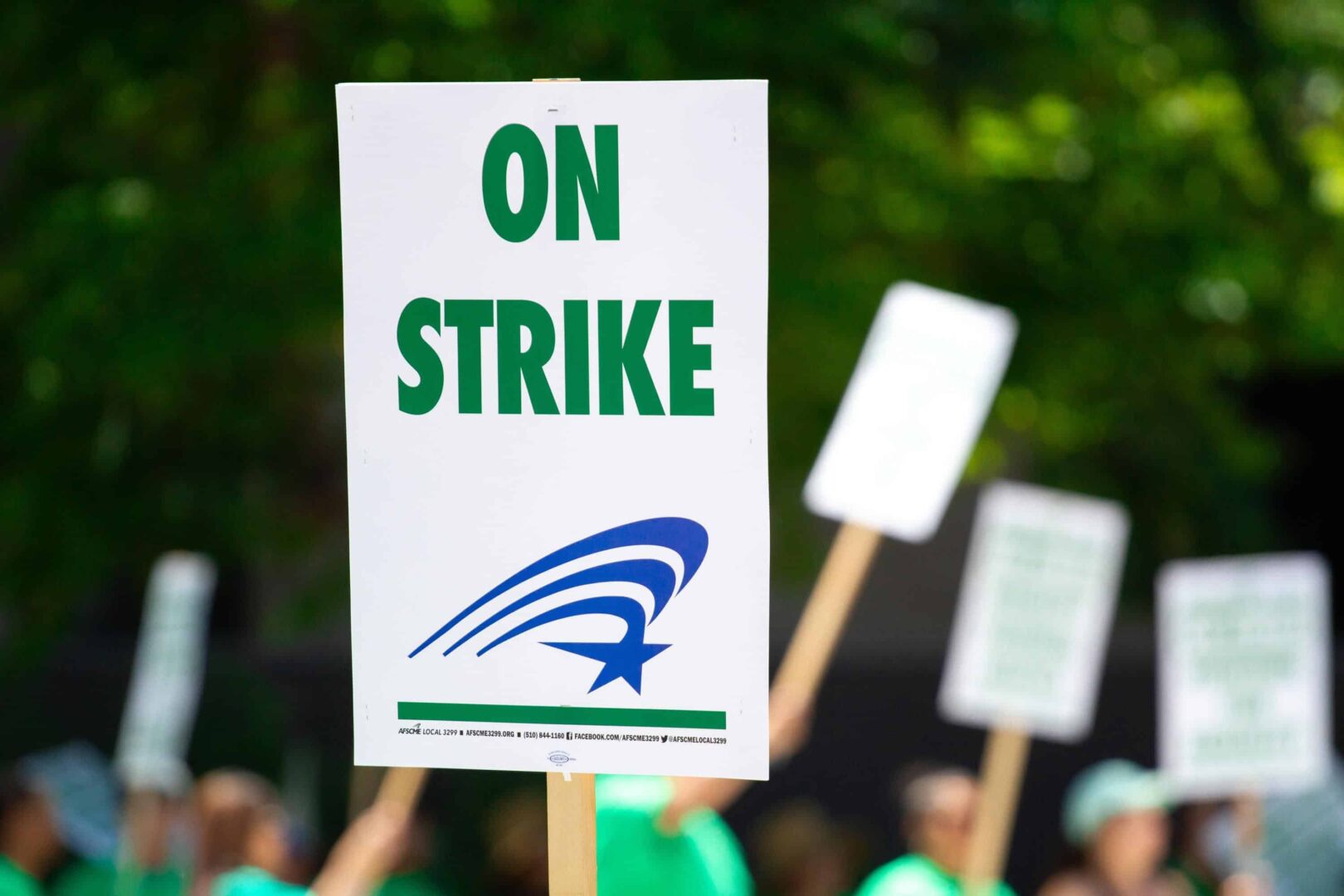
A retired labor leader from the automotive industry (who reads this blog) sent me a link to this article:
#RedforMed: 1,800 Vermont Nurses Are On Strike Demanding Their Hospital Put Patients Over Profits
The article isn't from a newspaper; it's from a site that provides "independent and incisive coverage of the labor movement and the struggles of workers to obtain safe, healthy and just workplaces."
Again, for the record, I'm all in favor of "safety, healthy, and just workplaces." That's what Lean management aims to deliver.
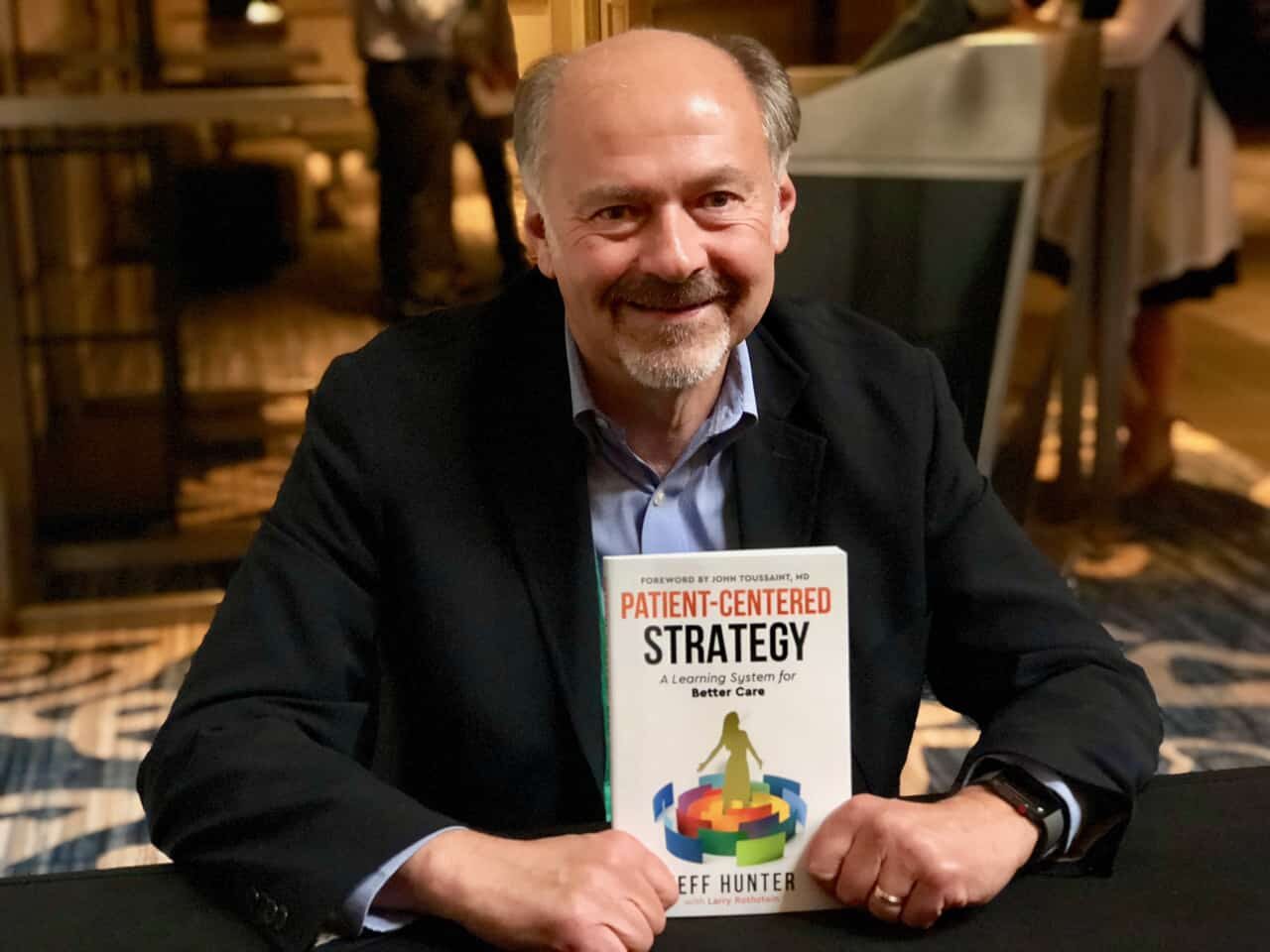
Joining me today for Episode #312 of the podcast is Jeff Hunter, author of the excellent book "Patient-Centered Strategy: A Learning System for Better Care."
Jeff was with the ThedaCare in Wisconsin, where he was Senior Vice President, Strategy and Marketing for the health system. After retiring from ThedaCare, he has been a faculty member for Catalysis and has started his own consulting firm, Jeff Hunter Strategy.
In today's podcast, we discuss a number of topics, including how a good strategy is a necessary input for a "strategy deployment" management process, some of the problems with traditional approaches to strategic planning, and why an iterative PDSA approach works better than static plans.
I started my career in manufacturing, so that's just one reason I'm interested in the topics of offshoring (sending manufacturing work overseas) and what's now called "reshoring," or bringing jobs and factories back to the U.S.
Somebody at A.T. Kearney sent me a link to their recent report on reshoring, with the headline:
Reshoring in Reverse Again
US manufacturers are not exactly coming back in droves. In fact, the 2018 Reshoring Index shows that imports from traditional offshoring countries are at a record high.
When you learn to look at data and workplace metrics through the "Process Behavior Chart" methodology, you learn to be skeptical of text descriptions like "a record high." Does "a record high" mean that the data point is statistically meaningful? Not always.

It's great to see Lean healthcare featured in one of the world's leading news and business publications. The Economist recently published this article:
"Hospitals are learning from industry how to cut medical errors"

I'm overdue in writing more about my last trip to Japan a few months back.
Today, I'll like to share some highlights from one organization we visited, Seki Chuo Hospital, which is located outside of Nagoya. I have visited this hospital in 2012 and 2014 and it's interesting to see how their approach to Total Quality Management (TQM), Lean, and Kaizen has progressed and evolved. I mentioned them in a 2014 post about "quality circles."

Tesla CEO Elon Musk has been quoted as saying he will "school Toyota on Lean manufacturing."
OK, let's take inspiration and lessons from the apparent Tesla Way management system. What would happen if hospitals and other organizations tried emulating Tesla instead of Toyota? What are the methods and mindsets? The behaviors and principles? What's the management approach and culture?
Joining me for Episode #307 of the podcast is my friend Andre DeMerchant, the President of DeMerchant Healthcare Solutions Inc., based in Kitchener, Ontario. We first crossed paths when we had the chance to work together with an American healthcare client via our then-affiliation with Pascal Dennis and Lean Pathways.
In today's episode, we talk about Andre's history working for Toyota in Canada and what he learned there -- and why it's important that he learned about "how flow works" at Toyota. We chat about the terms "Lean" and "The Toyota Production System" and what those words mean to him. How does TPS "transcend culture and language," as well as industries?
We then shift to talking about healthcare and some of the common challenges, including "financial hardships," that are faced in many countries. Why are hospitals "poorly prepared for change" in many cases? Another main theme is "cost cutting" and why you can't cut your way to success.