

Webinar on Process Behavior Charts & Covid-19 [Recording]
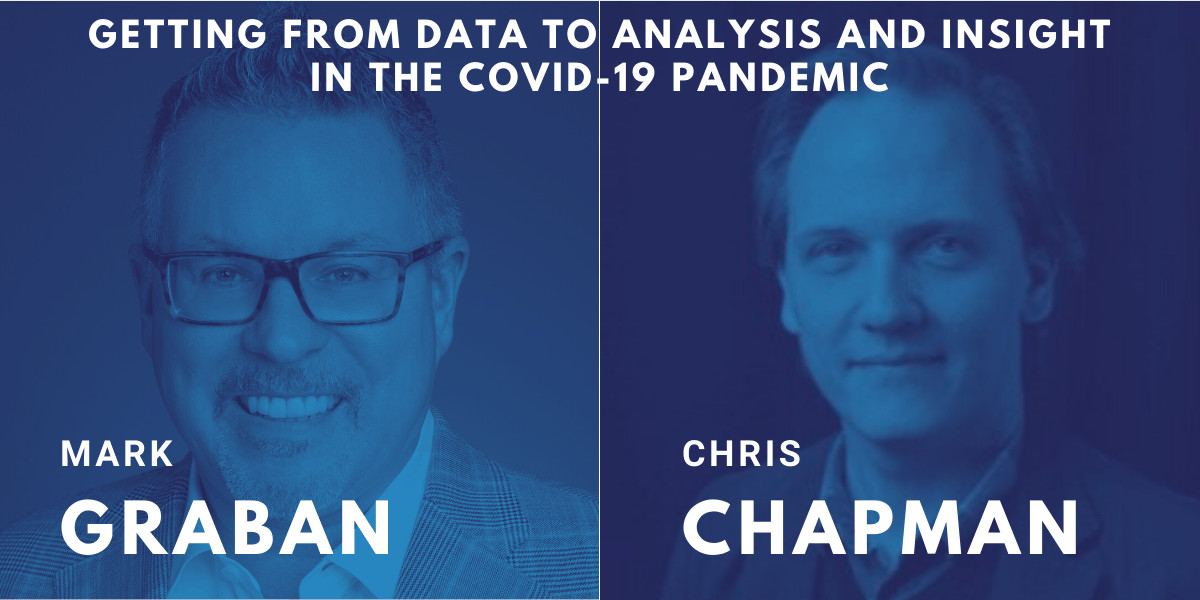
I'm really excited to have collaborated with Chris Chapman on a webinar that we presented jointly on Monday June 1.
Here is the recording:
You can get the slides and more here via this page.
I've followed with great interest what Chris has been sharing on LinkedIn, as he uses “https://www.leanblog.org/2025/12/process-behavior-charts-guide/
” to make sense of Covid-19-related data from his home province of Ontario. Here is one example:
In the webinar, he shared his analysis — not just about how to create charts — but how to use them to help understand if a “system” is stable and predictable and to know if that system has changed.
As our teacher Donald J. Wheeler, PhD says,
“Without context, data have no meaning.”
The aim of this webinar is to expose attendees to the “https://www.leanblog.org/2025/12/process-behavior-charts-guide/
” methodology, using data and examples related to the current pandemic. Mark will provide a quick introduction to the method, using a few charts from healthcare organizations. Chris will share a deeper dive using data from the province of Ontario related to testing and cases over time.
Learning Objectives:
- Learn how Process Behavior Charts are more helpful than rolling averages and two-data-point comparisons
- Understand how to determine if performance is getting better or getting worse? Or is it just fluctuating around a stable average?
- Know how to better understand cause-and-effect when a system is changed
- Forecast how the system will behave and under what conditions
We hope you'll join us. We'll leave time for Q&A at the end and we also plan on sharing “bonus material” through a web page that I'll set up for the webinar.
We think the material and the lessons learned have broad applicability to your organization and will help you turn data into insight — and better decision making.
If you're unfamiliar with Process Behavior Charts, you can learn more via this blog post (and a video that's embedded) or check out my book Measures of Success.





Mark, good time to discuss this topic. I have been looking at the data from JHU and other sources as well and am looking to make data-based predictions.